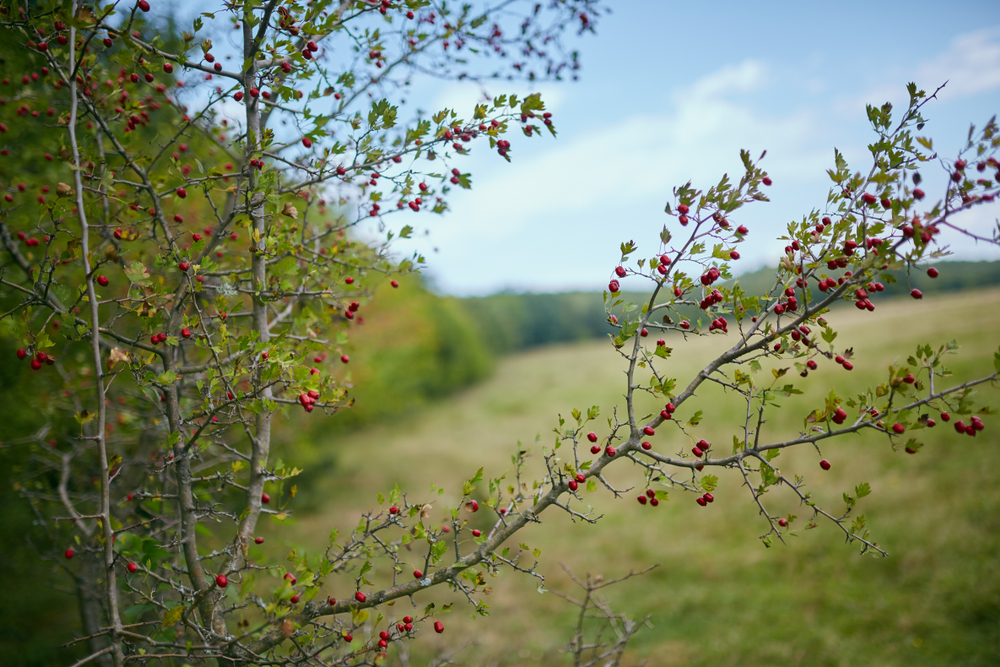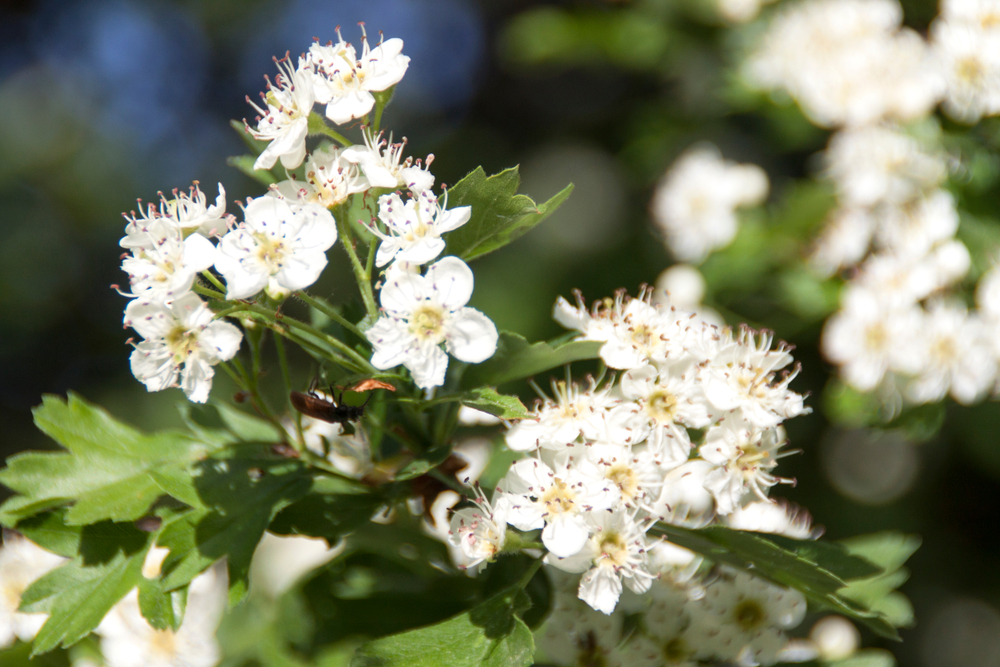
Hawthorn is a super common shrub that you’ve probably spotted in gardens, local parks, or out in the woods—it’s hard to miss when it’s covered in those iconic snowy white blossoms. Even though the flowering season is relatively short, this plant is a year-round stunner thanks to its lush foliage and the bright red berries that pop against the landscape in fall and winter.
The Hawthorn Blooming Season: April to June
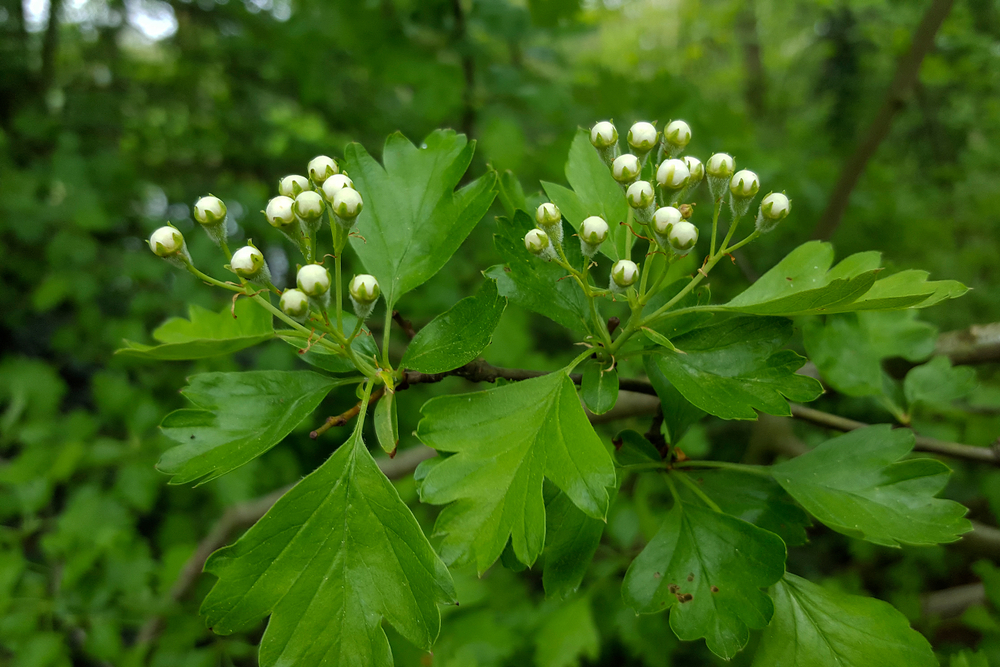
Depending on where you live, hawthorn usually starts showing off its flowers between April and May. When you see those beautiful buds starting to open, you know spring has officially arrived! Because of this, these pretty white-to-pinkish blooms are often celebrated as the ultimate messengers of spring. Hawthorn belongs to the pome fruit family, featuring clusters of flowers in brilliant white or soft pink that give off a lovely, sweet fragrance. This scent is a magnet for pollinators, which is why many gardeners call it a “butterfly bush” or a haven for local insects.
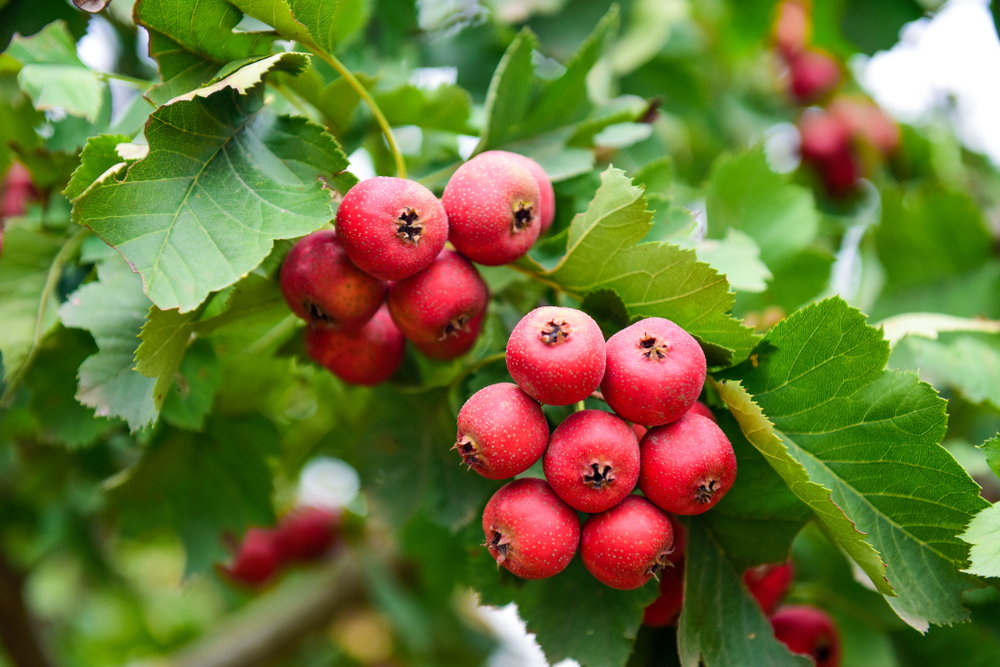
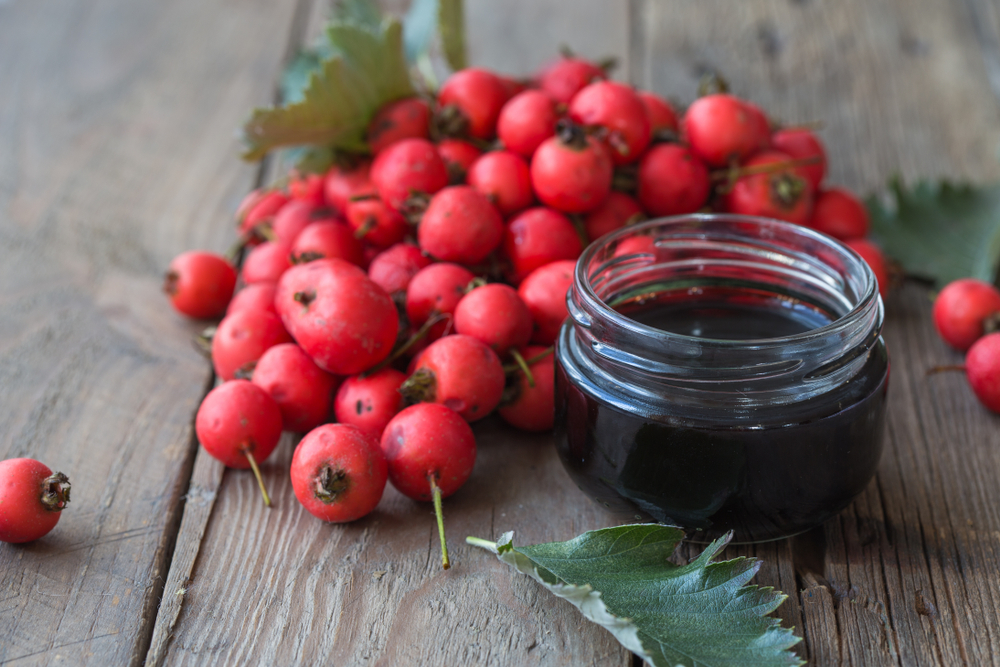
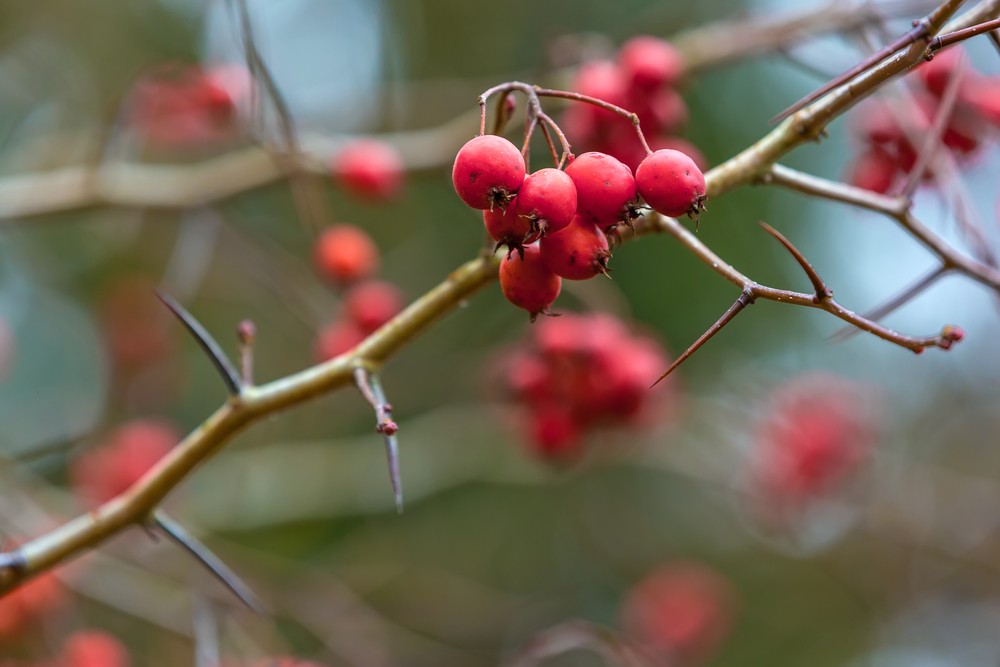
The bloom can be so thick and lush that the entire shrub sometimes disappears under a blanket of flowers. By June, the flowering season wraps up, making way for small red fruits that ripen by late summer. These little berries actually look a bit like tiny apples! You can find more details about hawthorn berries in this article. When it comes to the different species, they all look and bloom pretty similarly:
- Common Hawthorn (Blooms April/May to June; features lush, white flowers)
- Midland Hawthorn (Blooms April/May to June; features white to pinkish flowers)
- Large-Sepal Hawthorn (Blooms April/May to June; features white flowers)
For more specifics on the different varieties, check out our guide on hawthorn species.
What if your Hawthorn isn’t blooming?
If you have a hawthorn hedge, you might notice the blooms are a bit sparse—or missing entirely. This usually happens because hedges get trimmed back often, especially if you’re keeping them in a specific shape. While hawthorn is a champ at handling pruning and grows back vigorously, you’re unfortunately cutting off the flower buds every time you shear it.
If your hawthorn isn’t flowering, the best fix is to simply put the shears away for a bit and let it grow wild. Most experts recommend only doing a heavy trim every two years anyway. If you give your hawthorn a year or two of “me-time” without the garden shears, it’ll reward you by bringing back that gorgeous white floral coat. Also, a quick tip for new plants: try to avoid pruning altogether for the first three years after planting to let the shrub establish itself!