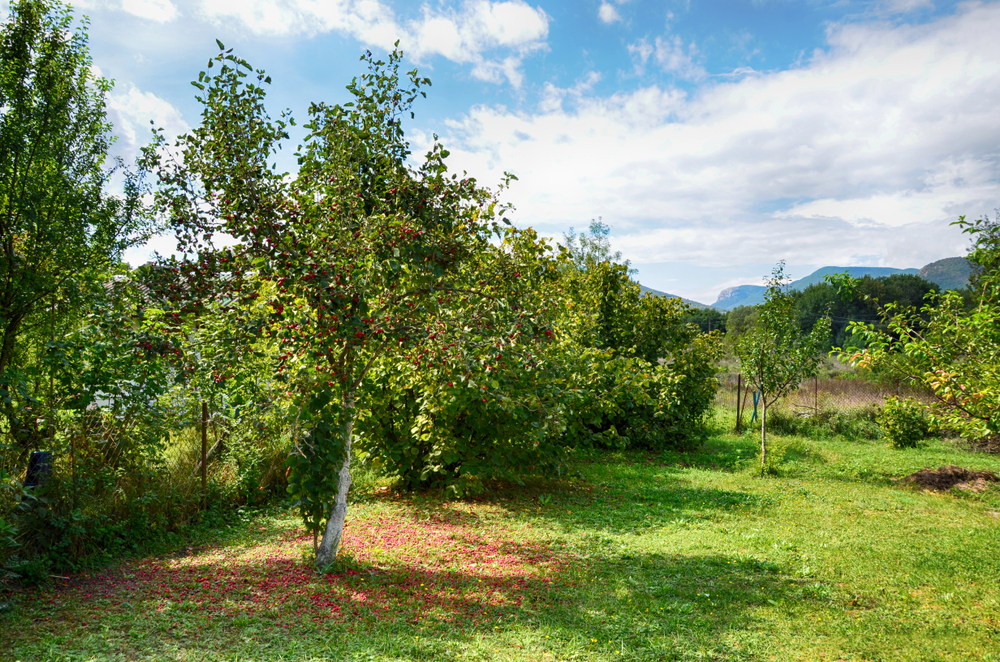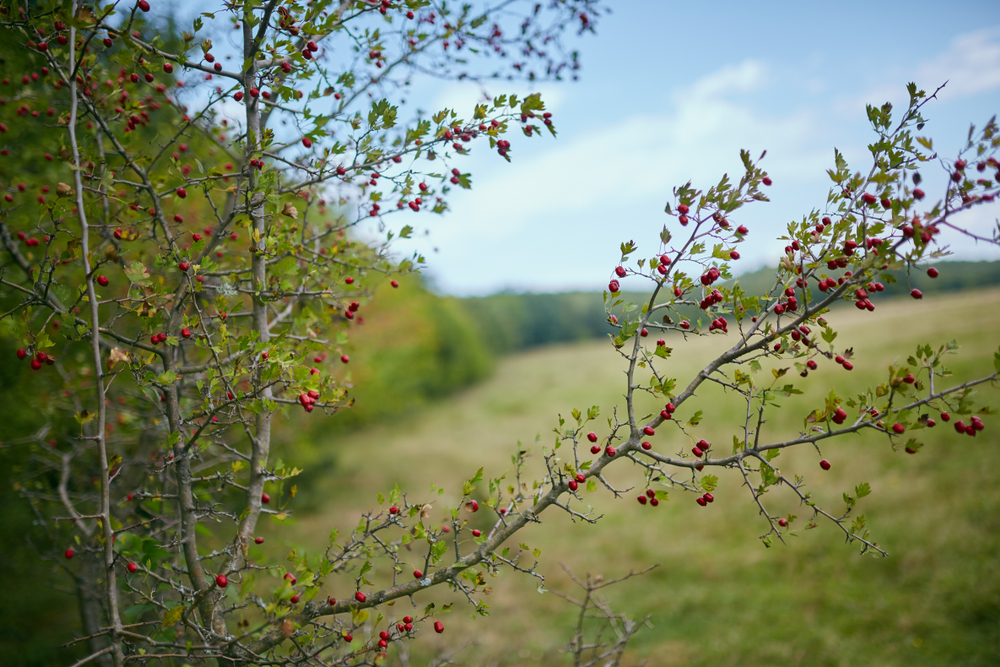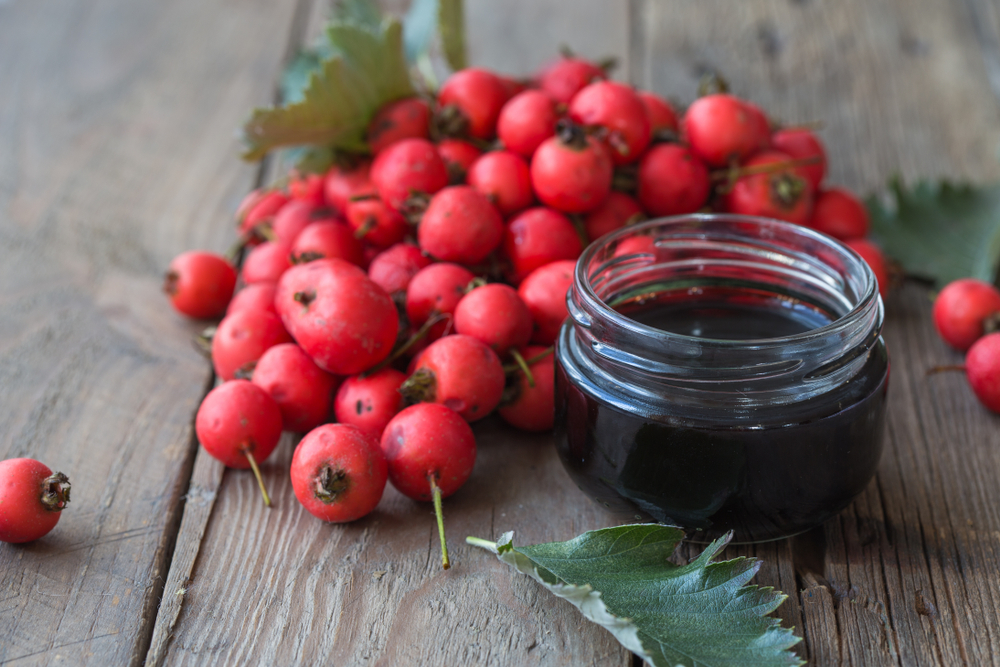
There are up to 300 different species of hawthorn worldwide, and honestly, they all look pretty similar at first glance! About twenty of these species call Europe home, with three main varieties popping up throughout Germany. One reason hawthorn is so common is that it’s a bit of a “social butterfly” in the plant world—it loves to crossbreed naturally, even without any help from us gardeners.
Hawthorn Varieties You’ll Run Into
Telling hawthorn species apart can be a bit of a challenge since they share so many family traits. However, if you’re exploring the countryside or planning your garden, these are the three main types you’ll encounter:
- 1. Common Hawthorn (Crataegus monogyna)
- 2. Midland Hawthorn (Crataegus laevigata)
- 3. Large-Sepal Hawthorn (Crataegus curvisepala)
Common Hawthorn (Single-Seeded Hawthorn)
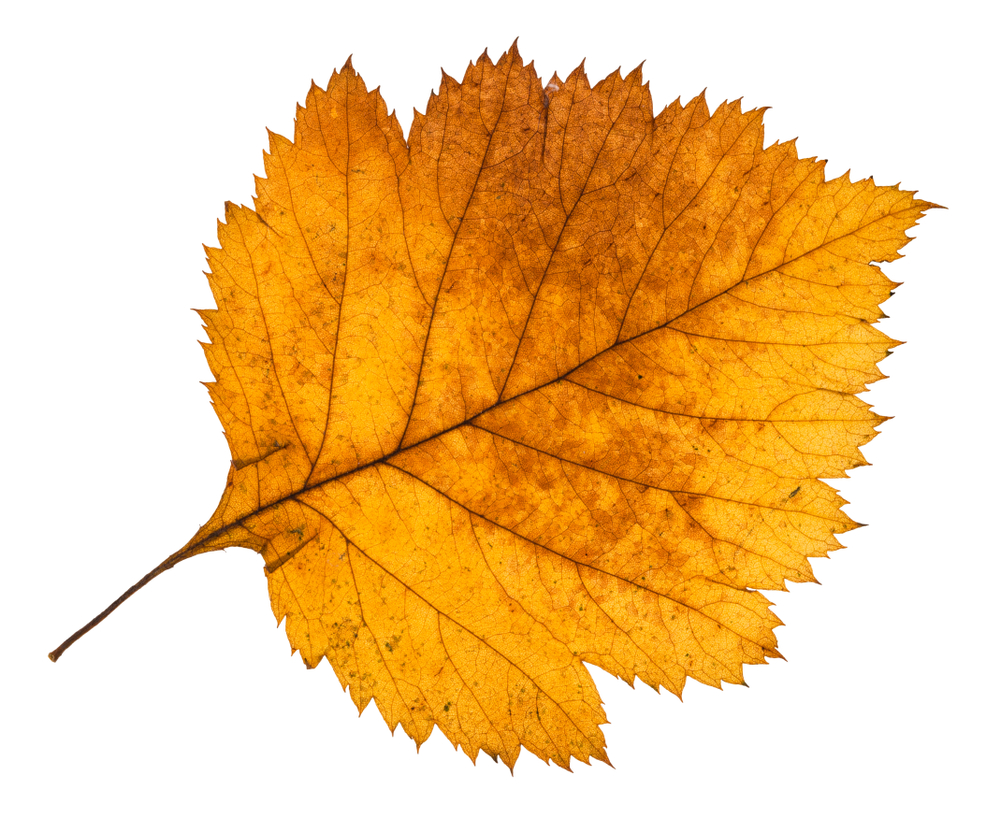
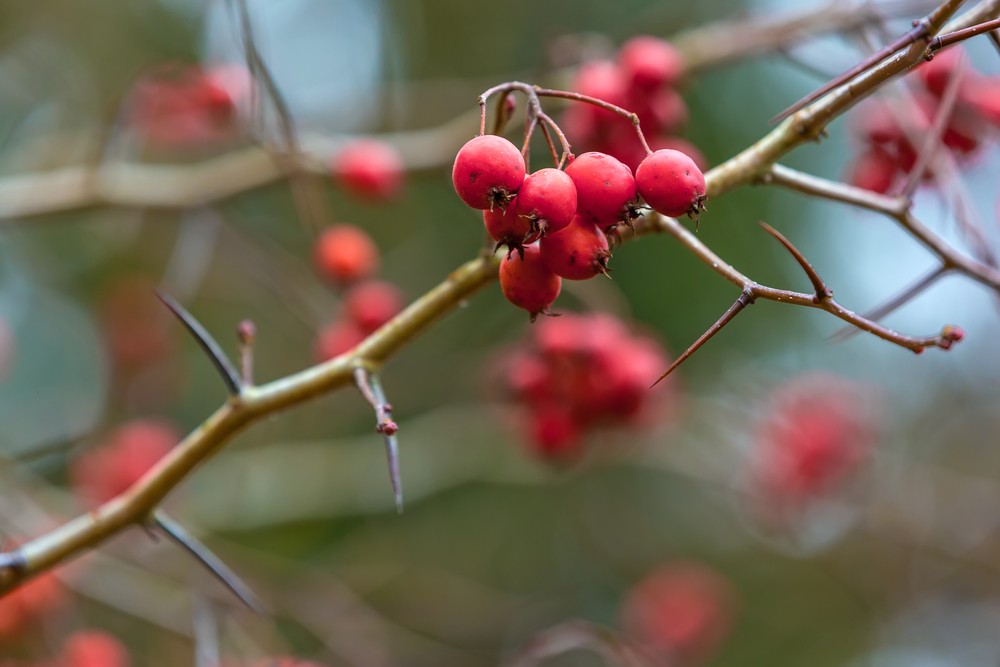
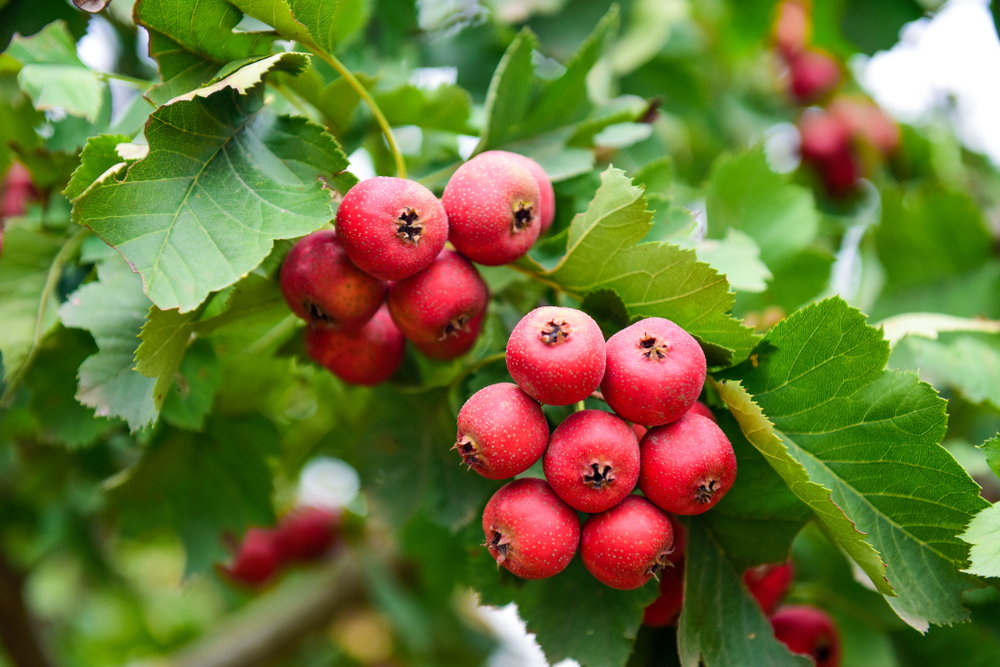
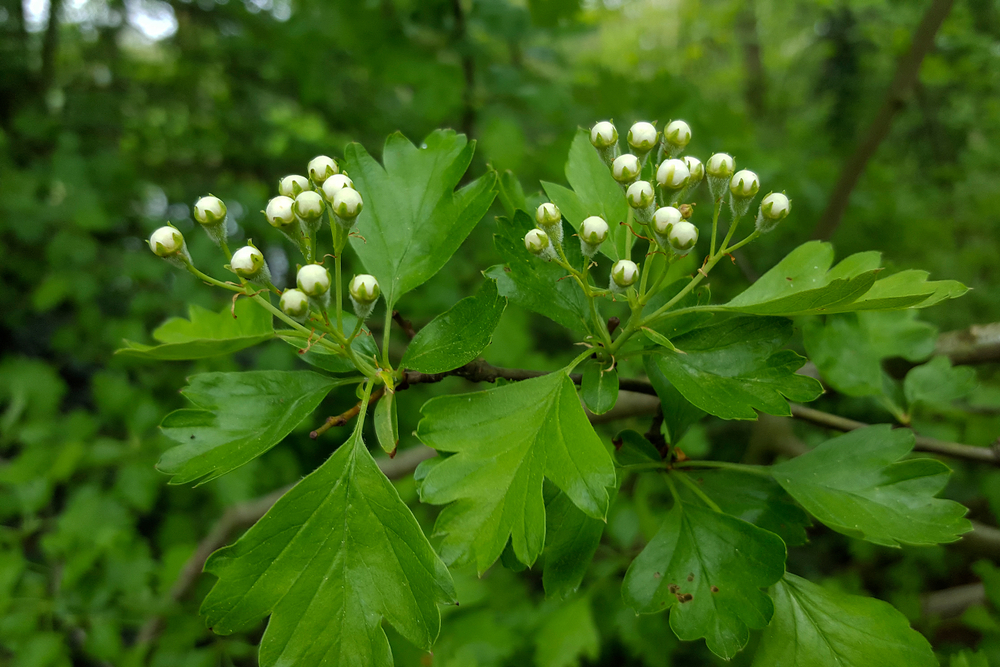
This is the most widespread variety you’ll find. The Common Hawthorn loves lime-rich soil and is usually found hanging out near forest edges, thickets, or in hedgerows. It features lush green, oval leaves with about five lobes. Its botanical name comes from the fact that each flower has only one style (the female part of the flower). You’ll notice dark brown bark with orange-tinted cracks. While it’s hard to tell this one apart from the Midland variety just by looking at the shiny, reddish-brown buds, the fruit is a giveaway: it produces dark red, egg-shaped berries that contain just one seed.
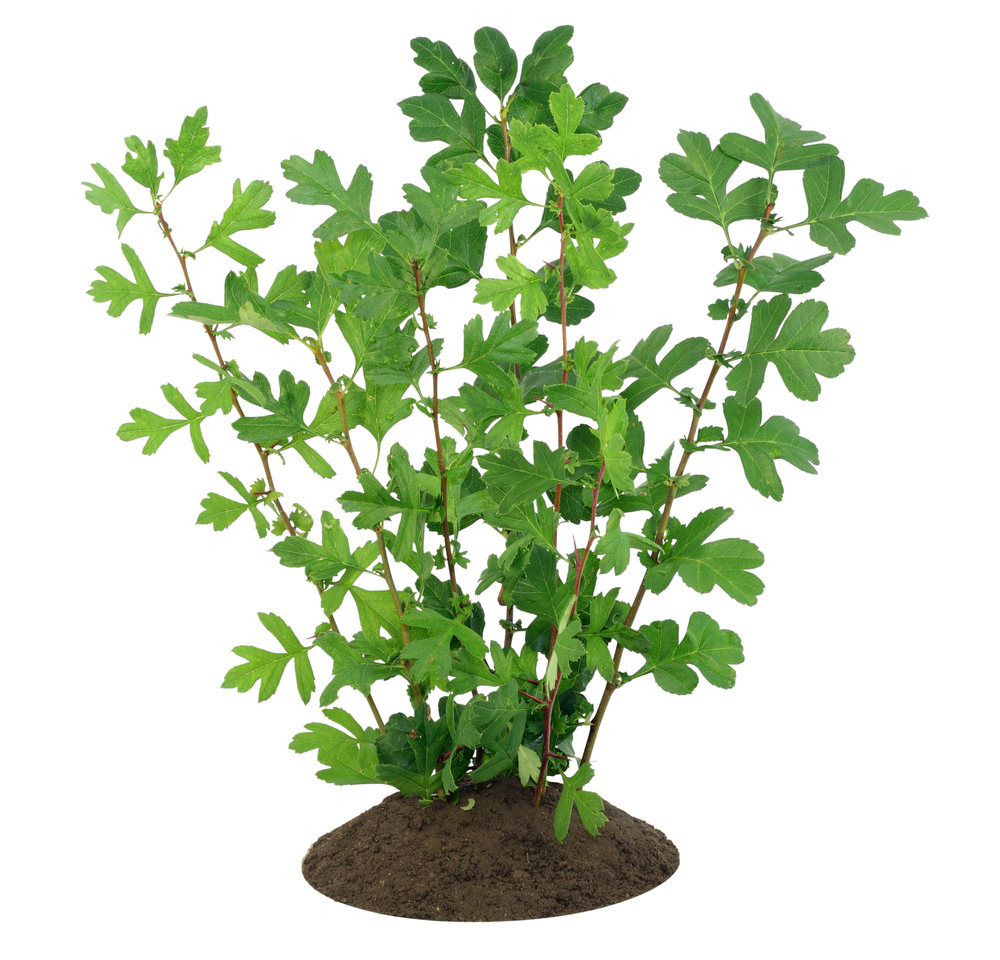
Growth height: Usually 6 to 20 feet, though it can occasionally reach up to 40 feet.
Midland Hawthorn (Two-Seeded Hawthorn)
The leaves on the Midland Hawthorn are typically three-lobed with more rounded edges. If you want to dive deeper into the details, you can read more about hawthorn leaves here. As the name suggests, these flowers have at least two styles. The bark is a smooth light gray, while the outer bark (the corky layer) tends to be brown and a bit bumpy. After the flowers are pollinated, they turn into bright brownish-red fruits that hold two or three seeds.
Growth height: Anywhere from 6 to 33 feet.
Large-Sepal Hawthorn
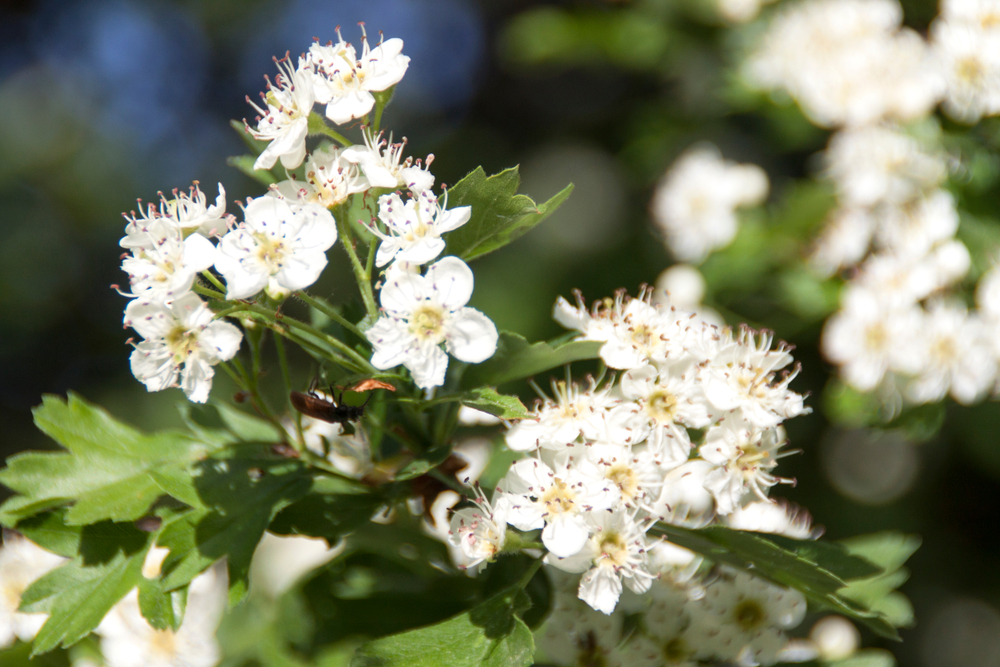
Also known as the Long-Sepal Hawthorn, this variety has narrow, elongated leaves with deep indentations. Its blossoms are incredibly fragrant and feature a single style. When this shrub is in full bloom, it can be so covered in white flowers that you can barely see the branches! The egg-shaped fruits ripen in late summer and contain a single seed. For more tips on the fruit of the hawthorn, check out our guide here.
Growth height: Up to 30 feet.