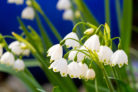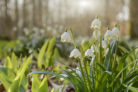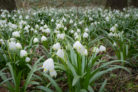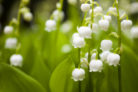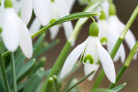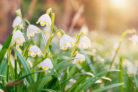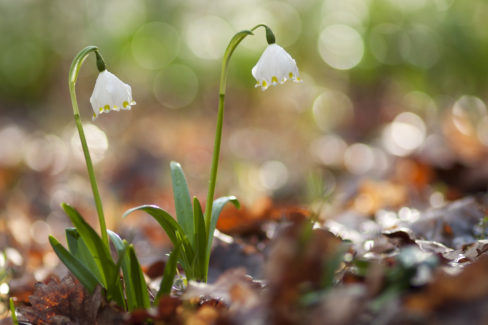
Spring Snowflakes (*Leucojum vernum*), often called Spring Knotflowers, are some of our most beloved native early bloomers. They get their name from their early appearance in the first third of the year. If you look closely at the base of the petals, you’ll see a little “knot,” which is exactly where that nickname comes from!
The Spring Snowflake: A Member of the Amaryllis Family
In the early spring, nature takes its sweet time waking up. It usually takes a few months before the garden is truly bursting with color again. But along with snowdrops, crocuses, and winter aconite, the Spring Snowflake is one of the very first messengers of the season. Botanically speaking, *Leucojum vernum* belongs to the Amaryllis family.
When Do They Bloom?
These charming little flowers, which grow to about an inch in size, usually show off from February through March, and sometimes even into April. If we have a particularly mild winter, don’t be surprised if you see the first blossoms popping up as early as late January!
How to Spot a Spring Snowflake
The name tells you a lot about when it blooms, but the look is what really captures the heart. These beautiful white flowers have a nostalgic, bell-shaped appearance, with delicate green tips on the ends of their drooping petals. They can reach a height of about 12 inches and typically produce just one flower per stem (though you’ll occasionally see two). One of my favorite things about them? They have a lovely scent that reminds me of violets.
Spring Snowflake vs. Summer Snowflake
You might also run into the Summer Snowflake (*Leucojum aestivum*). As the name suggests, it blooms a bit later—usually from May to June. You can also tell them apart by the number of flowers; the summer variety can have up to nine blossoms per stem, whereas our spring friend has larger, individual flowers.
Why Isn’t My Spring Snowflake Blooming?
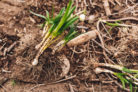
If your snowflakes aren’t blooming in your garden, it’s usually a “location, location, location” issue. These plants love fresh, moist soil. Also, keep an eye on your bulbs before planting—if they were stored incorrectly and dried out too much, they might struggle to get started.
A Quick Heads-Up
While these flowers look absolutely stunning in a small spring vase, please only pick the ones growing in your own garden! In many areas, Spring Snowflakes are a protected species. Picking them or digging them up in the wild isn’t just bad for the ecosystem—it can also lead to some pretty hefty fines. Stick to your backyard beauties, and everyone stays happy!