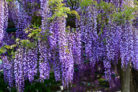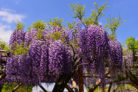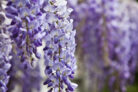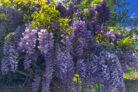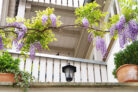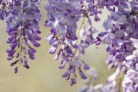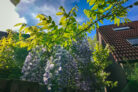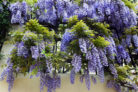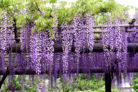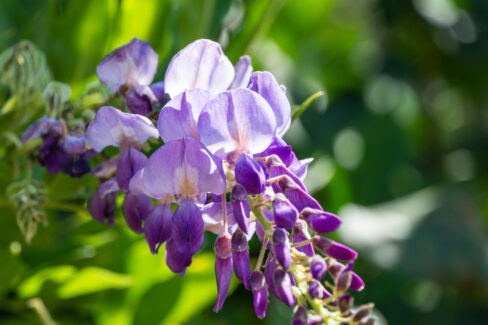
During peak season, a healthy wisteria is an absolute showstopper, draping your garden in a stunning carpet of blue blooms. If you’ve just added one to your yard and are eagerly watching for those first signs of life, here’s a quick guide on what to expect.
When do the first leaves appear?
Once spring hits, wisteria kicks into its first growth phase to start pushing out new foliage. Generally, you can expect to see those first little green shoots starting in May. Don’t be surprised if the initial leaves look a bit pale or thin—sometimes they even sport a yellowish tint that looks more like fall colors than spring growth.
If you see those light-colored leaves, don’t panic! It doesn’t necessarily mean your plant is struggling. They usually darken into a deep, healthy green as they mature. You only really need to worry about wisteria diseases if the leaves stay pale or turn a distinct yellow over time.
The quick facts:
- Flowers often pop up before the leaves do
- Leaf growth typically starts in May
- The plant is resilient and will sprout back even after a heavy pruning
When does wisteria bloom?
The flowers on a wisteria also make an early appearance, though exactly when depends on Mother Nature. Depending on how warm your local spring is, you can look for those iconic racemes in late April or May. The best part? The blooming season can stretch well into the summer, giving you plenty of time to enjoy the view.
If you take good care of your wisteria, it might even reward you with a second, smaller flush of flowers in late summer. While it won’t be quite as dramatic as the spring show, it’s a lovely bonus! Pro tip: giving the plant a light trim after the first bloom can actually encourage new buds to form.
If you notice some winter dieback or find that a late frost nipped your buds, don’t be afraid to grab your shears. Just prune those damaged tips back to the healthy wood. This quick cleanup helps the plant bounce back faster and keeps that vigorous growth heading in the right direction.