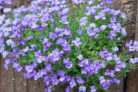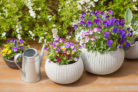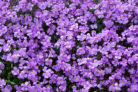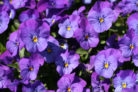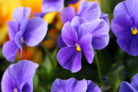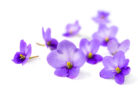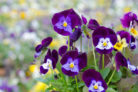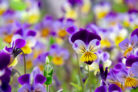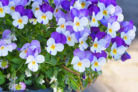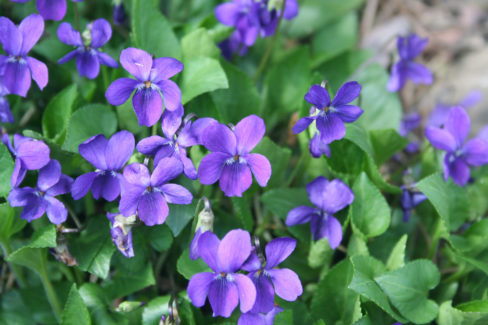
When Sweet Violets start peeking out as a groundcover in early spring, their deep purple blooms are a total showstopper. If you’re thinking about adding these hardy, low-maintenance beauties under your trees or shrubs, it’s a great idea to get to know them a little better first.
The Lowdown on Sweet Violets
Violets (botanical name: *Viola*) belong to the Violaceae family. While they originally hailed from the Mediterranean, they’ve made themselves right at home in temperate climates across Europe, North America, and Japan. They are one of the very first signs that spring has arrived! While there are many varieties, the fragrant Sweet Violet and the classic Pansy are definitely the fan favorites. Here’s a quick “cheat sheet” on what makes them tick:
- Botanical Name: *Viola odorata*
- Family: Violaceae (Violet family)
- Variety: Over 400 known species
- Size: They stay low to the ground, usually between 2 to 8 inches tall
- Growth Habit: A hardy, herbaceous perennial
- Soil Prefs: They love nutrient-rich, moderately moist soil
- Bloom Time: March through April
- Colors: Typically a deep violet, but you’ll also find them in pink or white
- Fruit: They produce small capsule-like fruits
- Foliage: Heart-shaped leaves on long stems growing from the base
- Spreading: They spread via runners or seeds (fun fact: ants actually help move the seeds around!)
- Light: They’re happiest in dappled shade
- Uses: Great as groundcover, edible kitchen decor, or natural remedies
Violets in Mythology
The ancient Greeks were head-over-heels for violets, and there’s actually a beautiful legend about how they came to be:
As the story goes, the sun god Helios fell for one of the daughters of Atlas. She was stunningly beautiful, and Helios tried to pursue her with his bright rays. The girl wasn’t interested and fled, begging Zeus for help. To protect her from the sun god’s advances, Zeus transformed her into a violet. This is why, according to the myth, violets still prefer to hide away in the cool shade rather than sitting in the direct sun.
How to Use Your Violets
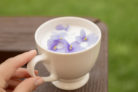
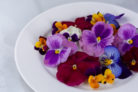
Lately, Sweet Violets have been making a huge comeback—not just in home apothecaries, but in the kitchen too! The edible flowers look gorgeous tossed into a fresh summer salad, floating on top of a creamy soup, or even candied in sugar to decorate cakes and desserts.
If you’ve ever noticed that classic “violet” scent in high-end perfumes, that’s no accident. Essences extracted from these fragrant blooms are a staple in the fragrance industry.
Violets are also regaining popularity for their natural healing properties. You can whip up a homemade cough syrup from the leaves and flowers, or use teas and oils to help with skin issues, infections, inflammation, and even headaches. They really are a little powerhouse plant!