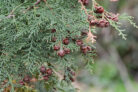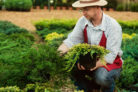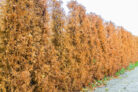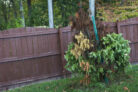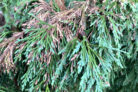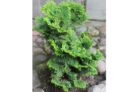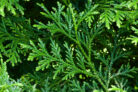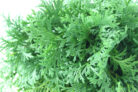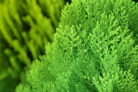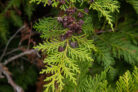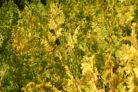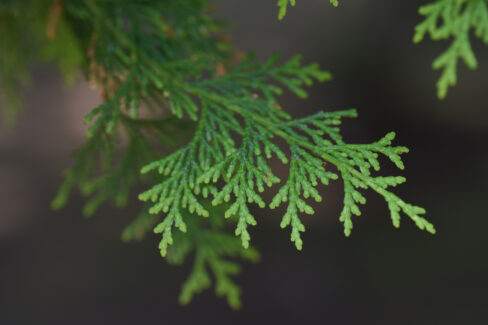
When your Hinoki Cypress is happy and healthy, it sports those gorgeous, deep green needles and unique fan-like branches we all love. But if you start seeing a lot of brown creeping in, it’s definitely a sign that something is up. Most of the time, browning is just a reaction to its environment or a little hiccup in its care routine—which means it’s usually something you can fix!
Why Is My Hinoki Cypress Turning Brown?
If you notice your cypress losing its luster, the first thing you need to do is take a closer look. There’s a big difference between:
- A few scattered brown needles inside the plant.
- Entire branch tips turning brown.
Natural Needle Shedding
Believe it or not, some browning is totally normal! Just like we shed hair, Hinoki Cypresses shed old needles as part of their natural aging process. These older needles die off to make room for fresh, green growth. Usually, they just fall off on their own, and you won’t even notice. If you see a buildup of brown needles deep inside the branches, give the tree a gentle shake. This helps clear out the debris and lets more light reach the inner parts of the plant.
Brown Branch Tips
Now, if the tips of the branches are turning brown, that’s a different story. This is usually a red flag for a care issue or a health problem. The most common culprits are:
- A spot that’s too cold or too dark.
- Soil that has completely dried out, or the exact opposite—”wet feet” from standing water.
- A fungal infection or pest problem.
First Aid for Your Cypress
Time to play plant detective! Start by checking the soil. If it’s bone dry, give your tree a good, deep soak. If the soil is soggy and smells a bit funky, you might be dealing with root rot. In that case, you’ll want to gently dig it up, trim away any mushy roots, and replant it in fresh, well-draining soil.
You might also want to move your plant to a brighter, warmer spot. Just a heads-up: try to do this gradually, as moving a plant too suddenly can sometimes cause a bit of “moving day” stress.
If you spot any creepy crawlies or fuzzy fungal growth, prune away the affected areas. For a serious infestation, you may need to pick up a specialized fungicide or organic pest control at your local garden center.
Preventing Future Browning
The best offense is a good defense! Most browning can be avoided by getting the basics right from the start. Keep an eye on your Hinoki’s moisture levels—aim for “consistently moist” but never “swampy.” A healthy, well-fed cypress is much better at fending off pests and diseases on its own. Give it the right home and a little TLC, and it’ll stay emerald green for years to come!