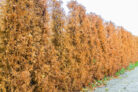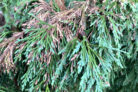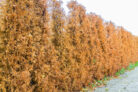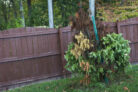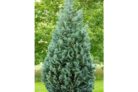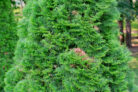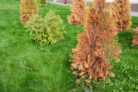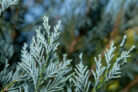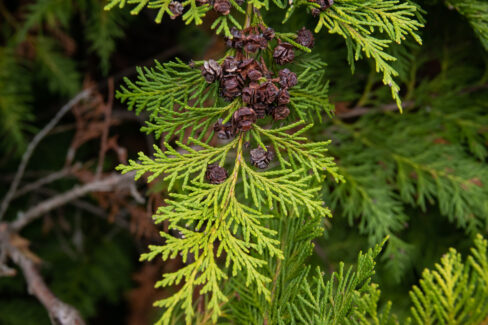
Blue Lawson Cypresses are a total favorite for gardeners, mostly because they look so elegant. That signature blue-green foliage adds a gorgeous pop of color to any backyard. But let’s be real: these evergreens lose their charm pretty fast when they start developing ugly brown patches or turn completely brown. Don’t worry, though! With a few simple tips, you can figure out what’s going wrong and keep your trees looking lush and vibrant.
Why is my Cypress turning brown?
There isn’t just one single reason why your Blue Lawson Cypress might be browning. It’s usually a sign that something in its environment is a bit off.
Here’s a quick checklist of the most common culprits:
- The soil is bone dry.
- The ground is way too soggy (poor drainage).
- You’re fertilizing too heavily.
- The plant isn’t getting enough nutrients.
- Your conifer has suffered from winter frost damage.
- Environmental factors like road salt or pet urine are hitting the branches.
It’s all about the right location
If you want your Blue Lawson Cypress to grow fast and stay healthy, picking the right spot from day one is key. These conifers love a warm, sunny spot. One thing they absolutely hate? Harsh winds.
That’s why you should always plant these evergreens in a somewhat sheltered area. Try to find a nook that stays a bit protected even when the winter chill sets in.
Also, keep an eye on the soil moisture. These trees are like Goldilocks—they don’t want it too dry or too wet. Standing water is a big no-no and often leads to diseases or pest infestations.
Avoid common maintenance mistakes
Generally speaking, the Blue Lawson Cypress is a pretty tough plant, but it won’t put up with long-term neglect. Make sure the soil stays consistently moist, and when it’s time to prune, be careful never to cut back into the old, woody part of the branch.
When it comes to feeding your trees, you need a bit of a “Goldilocks” approach here, too. They don’t do well with nutrient deficiencies, but over-fertilizing can burn them. If you’re unsure, just grab a fertilizer specifically made for cypresses and follow the instructions on the bag to the letter.
Watch out for frost and the elements
If you notice brown spots appearing in the spring, it’s often a sign of frost damage from the winter. To prevent this, make sure you provide some winter protection during those freezing months.
Finally, keep in mind that road salt and dog urine are “kryptonite” for these trees. If you’re planting them, try to keep them away from busy roadsides where salt trucks spray in the winter, or spots where the neighborhood dogs like to take their bathroom breaks.