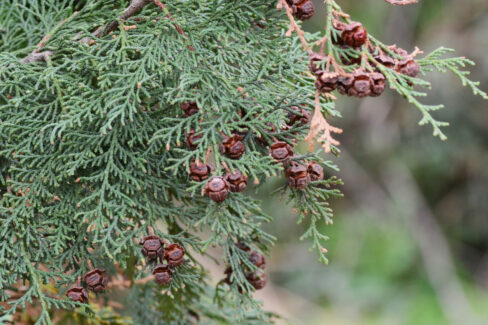
Hinoki cypresses are generally known for being pretty low-maintenance and easygoing. However, if they’re stuck in the wrong spot, they can become magnets for diseases and pests. Most of the issues you’ll run into usually stem from a “mismatch” between the plant and its environment or a few hiccups in your care routine—the good news is, most of these are totally avoidable!
Common Diseases
The most frequent issues with Hinoki cypresses usually pop up when things get too damp and chilly. The main culprits to watch out for are:
- Root rot
- Needle discoloration
Root Rot
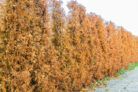
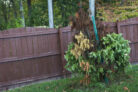
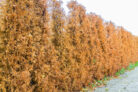
You’ll know root rot is moving in when the branches start changing color and dropping off. If you see tiny black dots on the needles, those are likely fungal spores. Root rot is usually caused by “wet feet” (standing water) combined with cold temperatures. When the roots sit in constant moisture, they start to decay. Eventually, they just can’t do their job of sending water and nutrients up to the rest of the tree.
To fix this, prune away any weakened branches. Your best bet is to dig up the cypress and move it to a new, drier spot with better drainage.
Brown Needles from the Wrong Location
Now, it’s normal for some older inner foliage to turn brown over time. But if the young, fresh needles are turning brown, your plant is trying to tell you something is wrong. Browning needles are often a sign that the location is just too wet and cold.
Trim off the affected branches and relocate your Hinoki cypress to a spot that’s warmer, brighter, and a bit drier.
Potential Pests
Besides diseases, there are a few creepy-crawlies that like to move in on Hinoki cypresses. The most common ones are:
- Aphids
- Mites
- Leaf miners
You’ll want to act fast if you spot an infestation to keep it from spreading to your other garden favorites. Start by giving the cypress a good spray with the garden hose to knock most of the pests off. For many bugs, a simple DIY solution of insecticidal soap and a little rubbing alcohol applied to the affected areas works wonders.
If you’re dealing with a really heavy infestation, you might need to pick up a specific organic pesticide from your local garden center.
Preventing Disease and Pests
While you can never 100% guarantee a pest-free garden, prevention is your best defense. Keep your Hinoki cypress healthy and vibrant by choosing the right location and staying on top of basic care. One pro tip: try to water your cypress with rainwater if possible. They aren’t big fans of lime, and the high calcium content in some tap water can cause issues over time.