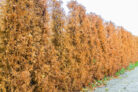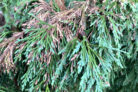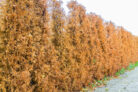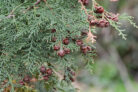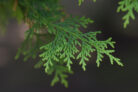
Even the hardy cypress has its bad days. The good news? Serious issues don’t pop up all that often. The bad news is that when a disease does take hold, it can be pretty tough on your evergreen. That’s why it’s a great idea for every gardener to know a bit about prevention and how to fight back if things go south.
Common Cypress Problems
- Gray Mold (Botrytis)
- Fungal Infections
- Root Rot
Gray Mold
If you have potted cypresses sitting in a spot that’s too dark or if their soil has dried out too much, they might be susceptible to gray mold. The symptoms are pretty hard to miss:
- Needles are covered in a thick, gray fuzzy layer.
- If you move the branches, you’ll see a “dusty” cloud of spores.
- There’s a noticeable rotting smell.
To fix this, prune away any affected parts and dispose of them immediately. Move your cypress to a better location with more light, and don’t forget to keep up with watering—even during the winter months!
Fungal Infections
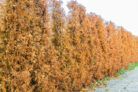
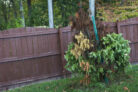
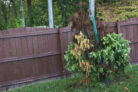
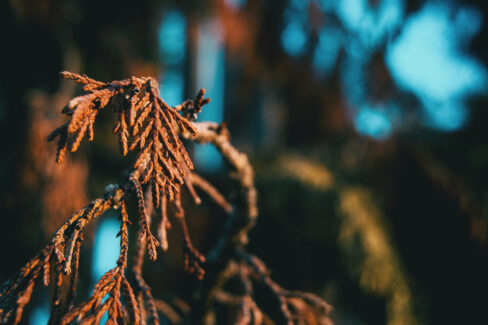
Both underwatering and overwatering can invite a nasty fungus called *Phytophthora cinnamomi*. You’ll usually spot this when the needles start turning brown. If you see this, act fast: prune the infected branches right away and treat the tree with a suitable fungicide.
Leyland cypresses often deal with *Kabatina thujae*, a fungus that usually strikes when the tree is low on magnesium. If your tree is looking a bit peaked, try fertilizing with Epsom salts to give it that much-needed magnesium boost.
Pro Tip:
Always disinfect your pruning shears before and after use so you don’t accidentally spread the fungus to your other plants. Also, make sure those infected clippings go straight into the trash, not the compost pile!
Root Rot
If cypress roots are constantly sitting in soggy soil, they’ll eventually start to rot. This decay can climb right up the trunk, and unfortunately, it usually means the cypress is a goner. The best cure is prevention: only water when the tree actually needs it. Wait until the top layer of soil feels dry before grabbing the watering can.
Your soil type matters a lot, too. Some soils hold onto water like a sponge, which is bad news for roots. If you’re planting in heavy soil, mix in some coarse sand to loosen things up and add a 4-inch drainage layer at the bottom of the hole. For potted trees, make sure the container has large drainage holes and avoid letting it sit in a saucer full of water.