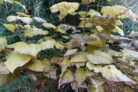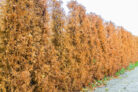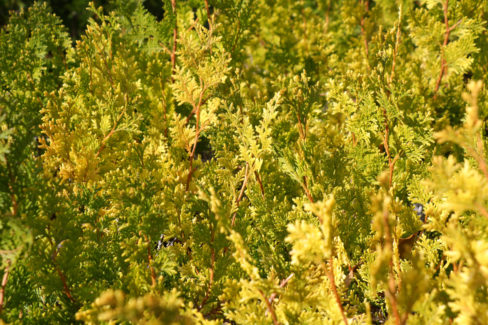
When a cypress tree is thriving, it’s a lush, vibrant green. So, if you start noticing yellow needles, it’s totally normal to feel a bit of “plant parent” panic. But what exactly is causing the color change, and can you fix it—or at least stop it from spreading? Let’s break it down.
Sometimes, Yellow Needles Are No Big Deal
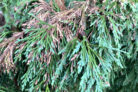
If your cypress is growing thick and full, the inner branches often get shaded out. Without enough sunlight, those interior needles can’t maintain their green color, eventually turning yellow or brown. Since they’re usually hidden by the outer growth, they don’t really hurt the look of the tree. Just keep in mind: those needles won’t turn green again; they’ll eventually drop off. If you want to prevent that “hollow” look, you’ll need to prune your tree regularly to let more light reach the center.
When It’s a Maintenance Issue
If you’re seeing a lot of yellowing, especially at the tips of the branches, it’s likely a sign that something is off with its care routine. Here are the usual suspects:
- Not enough water
- Waterlogging (soggy feet)
- Nutrient deficiency or using the wrong fertilizer
- Lack of winter protection
Thirsty Trees: Inadequate Watering
As an evergreen, your cypress needs water year-round. While established trees in the ground usually do a great job of finding water with their deep roots, they still need a helping hand during scorching summer days or dry, frost-free winter stretches. Winter dehydration is a super common mistake! A good rule of thumb: never let the soil dry out completely.
Soggy Feet: Dealing with Waterlogging
Cypress trees are a bit like Goldilocks—they don’t want to be too dry, but they hate being too wet. You can avoid waterlogging by watering only when necessary. It also helps to make sure your soil drains well. Before planting, mix in some coarse sand and add a drainage layer. If you’re growing cypress in pots, make sure there are plenty of drainage holes and skip the saucer so water doesn’t sit at the bottom.
Nutrient Deficiencies and Fertilizer Fails
Starting in their second year, outdoor cypress trees appreciate some organic fertilizer in the spring. One big tip: avoid using “Blaukorn” (blue granule) mineral fertilizers. They aren’t a great match for cypress and can actually cause yellowing. If you’re unsure what’s missing, a quick soil test can tell you exactly which nutrients to add. Fertilizing correctly makes all the difference!
Pro Tip:
Yellow needles are often a classic sign of magnesium deficiency. Try treating the tree with Epsom salts (bittersalz). Depending on the size of the tree, 150 to 250 grams should do the trick.
Winter Stress and Sunburn
Not all cypress varieties are perfectly hardy. If they aren’t protected with burlap or garden fleece during a harsh winter, they can turn yellow. You also have to watch out for “sunburn.” This happens when a plant is suddenly moved from a dark winter shelter into bright, direct sunlight without a transition period.