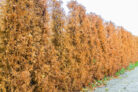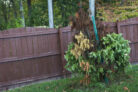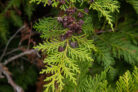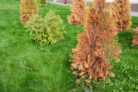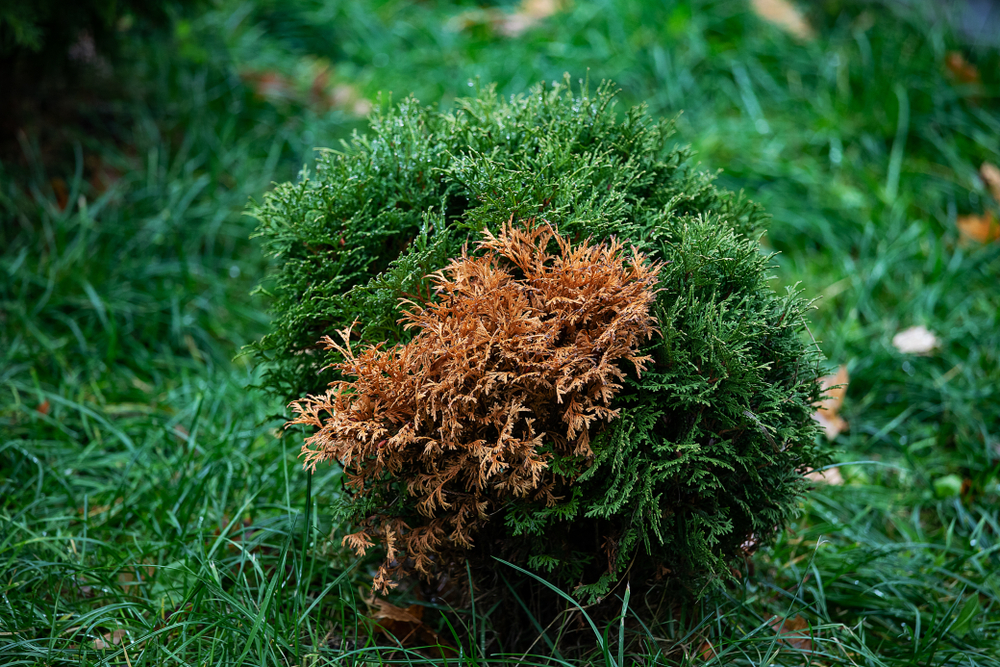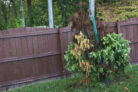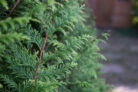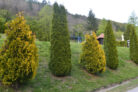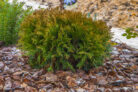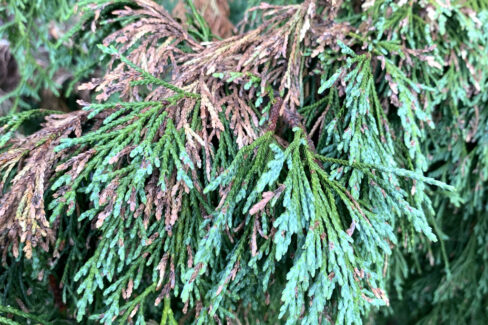
When those vibrant evergreen cypress needles start turning brown, it sticks out like a sore thumb. The color contrast is just too hard to miss! Those brown patches don’t just ruin the look of your tree; they often look like a cry for help or a sign of disease. While that *can* be the case, it’s not always a reason to panic.
Natural Thinning
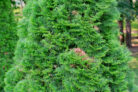
It’s actually pretty common for cypresses to get a few brown spots deep inside the crown, especially if you’ve planted them close together as a privacy screen. As the tree gets older and bigger, less sunlight reaches the trunk. The lush new growth on the outer tips ends up shading the interior branches permanently. These brown spots are totally natural and usually nothing to worry about since the green outer needles do a great job of hiding them.
Hunting for Other Causes
However, if your cypress is developing brown tips or looks like it’s turning brown all over, something is definitely throwing its health off balance. You’ll want to investigate these common culprits:
- Too much or too little water
- Nutrient deficiencies (especially magnesium)
- Fungal infections
Water Woes: Wet Feet and Drought
Cypresses are a bit picky—they hate “wet feet” (standing water) but can’t stand being bone-dry either. Ideally, when planting your tree, you added a drainage layer and mixed some coarse sand into the soil to help water flow through. If you have a cypress on your balcony, make sure the pot has large drainage holes and avoid using a saucer where water can pool. Go ahead and snip off those brown tips, and from now on, only water your tree once the top layer of soil feels dry. Just make sure the root ball never dries out completely.
Pro Tip:
If you see brown tips right after winter, don’t automatically assume it’s frost damage. Most of the time, it’s actually “winter drought.” Don’t forget to give your evergreens a drink of lukewarm water on frost-free days during the winter months!
Magnesium Deficiency
If you have heavy, clay-like soil, a magnesium deficiency is a very likely reason for browning, especially in older trees. In the spring, before the new growth starts, try spreading some Epsom salts (bitter salts) around the root zone. Depending on the size of your tree, about 5 to 9 ounces (150-250 grams) should do the trick. It’s best to do this after a rainy day or give the tree a good watering beforehand.
Fungal Infections
If you’ve ruled out watering issues and nutrients, your tree might be dealing with a fungus. You’ll need to prune away the diseased branches and dispose of them (don’t compost them!), then treat the rest of the tree with a fungicide. Whenever you’re pruning your cypress, always make sure your tools are disinfected so you don’t accidentally spread the problem.