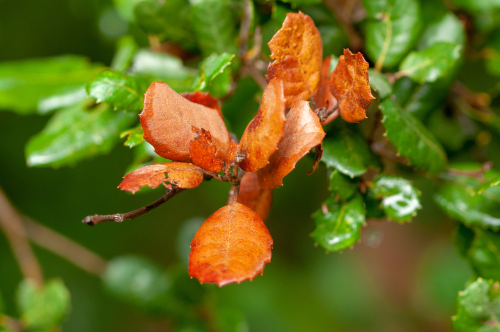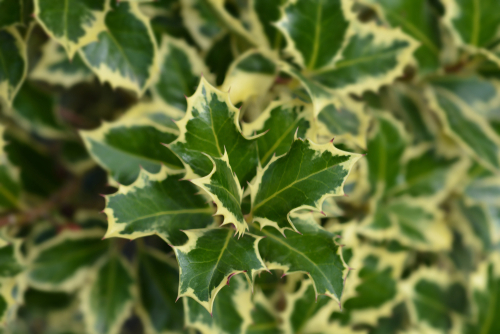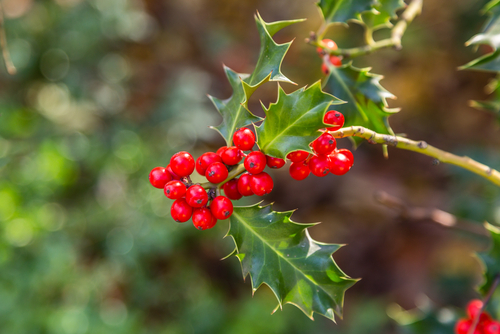
Hollies are generally tough-as-nails garden staples. However, it can be a real heartbreaker when those glossy green leaves start turning colors and dropping off. If your holly is looking a little thin, there are a few common culprits behind the scenes.
When Your Holly Starts Dropping Leaves
There are several reasons for leaf drop that you should keep on your radar:
- Maintenance mishaps
- The wrong location
- Transplant stress
- Disease
- Pests
Common Care Mistakes
For the most part, hollies are low-maintenance, but they are surprisingly picky about their water intake. They absolutely hate “wet feet” (standing water), so drainage is key. On the flip side, they can suffer from dehydration during scorching summer spells or even during dry winters. The goal is to keep the soil consistently moist. If Mother Nature isn’t providing enough rain, you’ll need to step in with the garden hose.
Location, Location, Location
Hollies thrive in spots ranging from full sun to partial shade. They love soil that is rich in organic matter, nutrient-dense, moist, and loose enough for their roots to dive deep. Again, drainage is the dealbreaker here. If you’re worried about your soil holding too much water, try adding a drainage layer of gravel or broken pottery shards at the bottom of the hole when planting.
Another thing to watch is the soil’s pH level. If the soil is too alkaline, your holly might protest by dropping leaves. You can easily grab a soil test kit at any garden center to check. Ideally, hollies prefer soil that is slightly acidic to neutral.
Stress Factors
Hollies are homebodies—they really don’t like being moved. Because they are deep-rooted plants, transplanting them inevitably damages part of the root system. Younger plants usually just need a little “recovery time” to bounce back and start putting out new growth. However, moving an older, established holly is risky and should only be done as a last resort, as they often struggle to recover.
Diseases
Luckily, holly diseases are pretty rare. But if a plant is already weakened, soil fungi can attack the roots. If you notice a funky, rotten smell coming from the ground, check the roots immediately. A white coating or dead root tips are tell-tale signs of a fungal infection. You might be able to save the plant by pruning away the damaged roots and moving it to a fresh, better-draining spot.
Pests
One of the few pests that bother hollies is the spider mite, which can do a number on the foliage. While you can use chemical sprays, I always recommend going the natural route first. Encouraging “good bugs” like ladybugs or lacewings to hang out in your garden is a great way to keep the mite population in check naturally!