Holly is one of those tough, low-maintenance staples that every garden needs. Usually, as long as you give it a good spot and keep the soil slightly moist, it’ll thrive without much fuss. However, even the hardiest plants run into trouble sometimes. Here’s what to look out for if your holly starts looking a little under the weather.
Common Diseases to Watch For
It’s pretty rare, but soil fungi can sometimes attack the roots. If you notice a funky, rotten smell coming from your Ilex, it’s time to play detective. Dig down a bit to check the roots—if you see a white coating and the tips look mushy or rotten, you’re dealing with a fungal infection. Your best bet is to prune away as many damaged roots as possible. If it’s a younger plant, moving it to a fresh spot might just save its life.
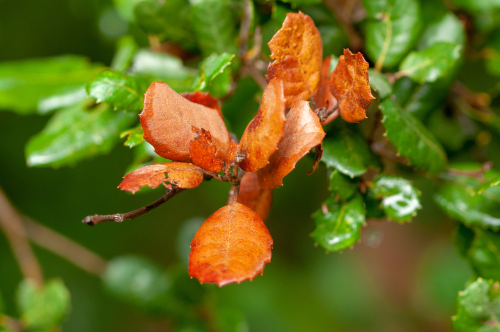
Another common issue is chlorosis, which makes the leaves look pale or bleached out. This usually happens for two reasons: either the plant isn’t getting enough light, or the soil pH is too high. If your holly is stuck in a dark corner, try transplanting it to a sunnier spot.
If it’s already getting plenty of sun but still looks pale, you’ll want to test your soil pH (you can grab a simple test kit at any garden center).
If the pH is too high, you can lower it naturally by adding organic matter like compost, though that takes a little patience. If you’re looking for a quick fix, iron sulfate works wonders within about two weeks by quickly adding the acidity the soil needs.
Dealing with Pests
A few different critters love to make a snack out of holly. Keep an eye out for:
- Holly leaf miners
- Leaf rollers
- Cottony camellia scales
- Spider mites
The key is to act fast as soon as you spot them!
Fighting the Holly Leaf Miner
These tiny flies lay their eggs under the leaves. Once the larvae hatch, they tunnel through the foliage, leaving ugly trails behind. If it’s just a few leaves, you can simply pluck them off by hand. But if they’ve taken over the whole bush, you might need to reach for a targeted pesticide.
Managing Leaf Rollers
If you see the tips of your holly branches webbed together, you’ve likely got leaf rollers. These caterpillars hide inside those webs and munch on the tender new growth. To get rid of them, an insecticide is usually the most effective route.
Getting Rid of Scale
You’ll know you have these pests if you see white, cottony egg sacs clinging to the undersides of the leaves. You can prune out the infested branches to stop the spread. For a more widespread problem, try spraying your Ilex with a mix of isopropyl alcohol and a little dish soap.
Tackling Spider Mites
These tiny pests suck the life out of the undersides of the leaves, causing them to shrivel up and drop off. If you want to avoid harsh chemicals, let nature do the work! You can encourage natural predators to move in, such as:
- Lacewings
- Ladybugs
- Ground beetles
- Assassin bugs