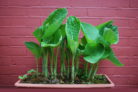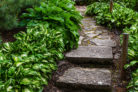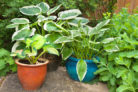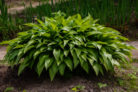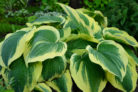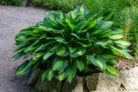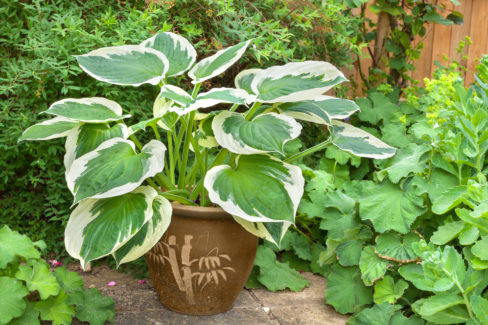
Generally speaking, planting hostas directly in your garden beds is a breeze. Since they’re super hardy, they handle winter outdoors without breaking a sweat. However, these perennials love to spread out! If you want to keep them from taking over your garden, growing them in a pot is a great way to set some clear boundaries.
It’s All About Location
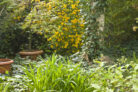
Most of us love to use potted plants to spruce up a balcony or patio. For hostas, this works perfectly—as long as your outdoor space has plenty of shade. If you put them on a sunny, south-facing patio, those beautiful leaves will bleach out and fade fast. The one exception? Varieties with solid green leaves can usually handle a bit more sunshine than their variegated cousins.
Size Matters
When you’re picking out your hosta, keep an eye on the expected growth height. It’s usually best to go with a dwarf or small variety; otherwise, the plant will outgrow its pot before you know it. Of course, you can always just go with a massive planter from the start! Just make sure that as the plant gets bigger, it still stays tucked away in a shady spot.
Watering is Key (But Don’t Forget the Food!)
Hostas are hungry plants, but they’re even thirstier. They need consistent moisture to stay happy. Use a well-draining potting mix, because while hostas love water, they absolutely hate “wet feet” (standing water). To keep them lush, feed them with a slow-release fertilizer every two to four weeks between April and September.
Getting Through the Winter
Since hostas are winter-hardy, they can usually stay outside in their pots all year long. To make sure they stay cozy and protected during the frost, here are a few pro-tips:
- In October, trim away all the foliage.
- Wrap the pot in burlap or garden fleece to insulate the roots.
- Move the pot right up against the wall of your house for extra warmth.
- Repot your hosta every two years in the spring, and every four years, give it a fresh start by dividing the plant.