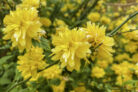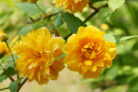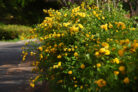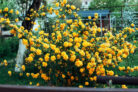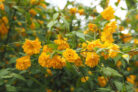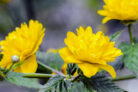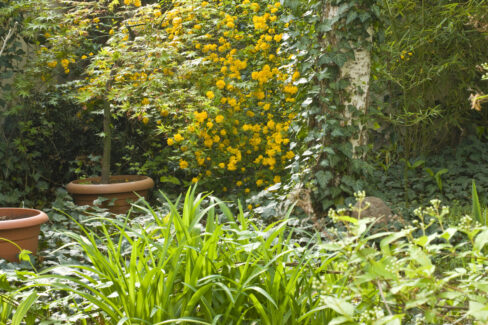
This pretty spring shrub is a total game-changer for small spaces because it thrives in containers! Whether you have a balcony or a patio, a blooming Japanese Rose (Kerria japonica) is guaranteed to be a showstopper.
Planting Your Japanese Rose in a Pot
While your shrub is still growing (it can eventually reach up to 6 feet!), a 4-gallon (15-liter) pot is a great starting point. As it matures over the years, you’ll want to upgrade to a larger planter. First things first: make sure your pot has drainage holes so rainwater doesn’t sit at the bottom. To prevent “wet feet” (root rot), add a drainage layer of coarse gravel or broken terra cotta shards before adding your soil. You can use standard potting soil or mix your own, as long as it hits these marks:
- Rich in nutrients
- A bit of a loamy consistency
- Slightly acidic pH
- Low lime content
- Loose and well-draining (not compacted)
Finding the Perfect Spot
Once your shrub is potted up, it’s time to pick the right location. These shrubs love a sheltered, partially shaded spot where they have a little room to branch out. Think “bright but indirect”—a spot on the patio, balcony, or near your front door that isn’t blasted by harsh midday sun is perfect.
Care and Maintenance
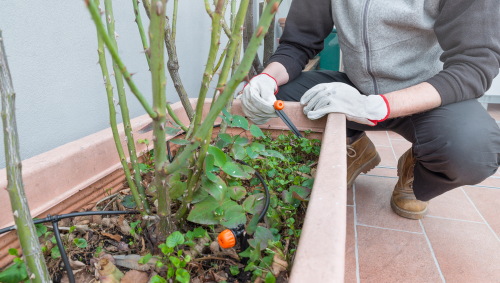
Taking care of a potted Japanese Rose is actually pretty low-maintenance. The big secrets are watering and feeding. You never want the soil to dry out completely, so give it a regular drink. If you can, use rainwater, as they aren’t big fans of the lime found in some tap water. Since nutrients wash out of pots faster than the ground, you’ll need to fertilize more often—about once every four weeks with a liquid fertilizer for container plants.
Pruning and Overwintering
While garden-planted shrubs only need a light thinning out, you’ll need to be a bit more active with your shears for a potted plant. Snip off old or overly long branches that are getting in the way, and clear out any deadwood in the spring. Don’t forget to deadhead the faded flowers after the first bloom; this gives the plant a better chance of a second “encore” bloom in the fall!
Keep in mind that a potted Japanese Rose isn’t quite as hardy as one in the ground, so it shouldn’t stay outside all winter. In the fall, trim the long shoots back by about a third and move the pot to a frost-free spot. It needs to be cool but bright—an unheated greenhouse or a garage with a window works perfectly.