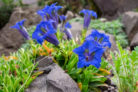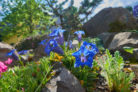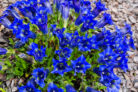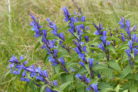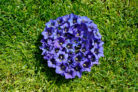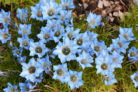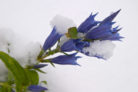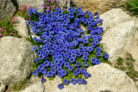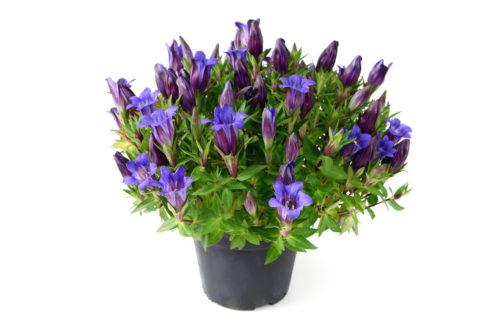
When you think of Gentian, you probably picture those stunning blue blooms dotting high-altitude alpine meadows—places most of us don’t get to visit nearly often enough! The good news is that breeders have developed varieties that feel right at home in your garden or even in a container on your patio.
Growing Gentian in Pots
Technically, Gentian isn’t a houseplant; it’s a rugged outdoor soul that usually thrives in rock gardens or stony meadows. However, you can absolutely grow these beauties in pots or balcony boxes if you give them the right setup and a little TLC.
Prepping Your Pot
Before you get planting, there are a few things you’ll want to get ready:
- Pick the right container: Make sure your pot or planter is roomy enough for the roots to spread out, and it *must* have drainage holes at the bottom.
- Layer in some drainage: Toss some broken terracotta shards or gravel at the bottom to prevent water from pooling around the roots.
- Choose your soil wisely: Use a nutrient-rich potting mix, but do a quick check on your specific variety. Some Gentians love lime-heavy soil, while others prefer a more acidic environment.
Finding the Perfect Spot
Gentians can be a bit picky about their “real estate.” Here’s what they look for:
- Partial shade to bright, filtered light.
- Protection from harsh, direct afternoon sun.
- A spot that’s shielded from heavy winds.
- Plenty of fresh air, but not too hot.
Caring for Your Potted Gentian
Growing Gentian in a pot requires a bit more attention than letting it grow wild in the ground. Regular watering is key—you never want those roots to completely dry out, but you definitely don’t want them sitting in a swamp, either.
As for fertilizer? You can actually skip it if you repot your Gentian in fresh soil every spring. New potting mix usually has enough nutrients to keep the plant happy all year long. If you notice it’s struggling to grow, it might just need a little extra lime.
Pruning isn’t strictly necessary, but you can snip off wilted flowers if you aren’t planning on collecting seeds. In the early spring, just before the new growth starts, go ahead and clear away any dried-up stems or leaves.
Keep an eye out for uninvited guests! Potted plants are a bit more prone to pests like aphids and spider mites than their garden-dwelling cousins. Give them a regular “check-up” so you can catch any issues early.
Since Gentian is a hardy perennial, it stays outside during the winter. However, because soil in a pot freezes much faster than the ground, you’ll want to give it some insulation. Wrap the pot in garden fleece or bubble wrap and set it on a piece of Styrofoam or wood to keep it off the cold pavement. You can also cover the plant itself with some brushwood or evergreen branches for extra protection (especially for the acid-loving Koch’s Gentian).