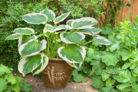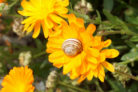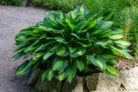
Hostas are incredibly tough plants. Even though they have exotic roots, they handle cold winters without breaking a sweat. However, once spring rolls around, you might notice some unsightly holes appearing on those beautiful leaves. If that’s the case, there’s a good chance slugs and snails have moved into your garden beds.
A Favorite Garden Snack
The real bummer is that slugs are practically obsessed with the scent of hostas. They find them irresistible, especially those tender, fresh leaves that start popping up in April. It doesn’t take long for a few hungry pests to turn your foliage into Swiss cheese. If you have a major slug problem, they can strip entire leaves overnight, which can really put the health of the plant at risk.
How to Protect Your Hostas
To keep your hostas from becoming a buffet, it’s a good idea to do regular walk-throughs of your garden spots so you can catch the problem early. A pro tip: try to water your hostas in the morning rather than the evening to keep the area dry at night when slugs are most active. You can also set up beer traps, which are a classic DIY fix. Here are a few other ways to take action:
- Install slug fences or barriers around your hostas.
- Go on a “slug hunt” in the evening and pick them off by hand.
- Use slug pellets in the early spring.
- If you prefer to skip the chemicals, try spreading sand or sawdust around the base of the plants to create a gritty barrier.
Try Container Gardening
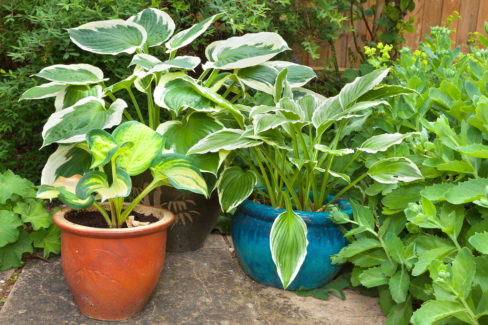
If you’re constantly losing the battle against slugs in your flower beds, you might want to consider moving your hostas into containers on your patio or porch. It makes them much harder for pests to reach! Additionally, some hosta varieties are naturally more resistant to slug damage because of their thicker leaves. If you’re looking for tougher varieties, check out these favorites:
- ‘Halcyon’
- ‘Hellebarde’
- ‘June’
- ‘Sum and Substance’
- ‘Abby’
- ‘Abiqua Drinking Gourd’
- ‘Ben Vernooij’