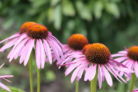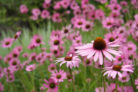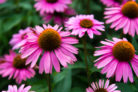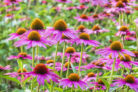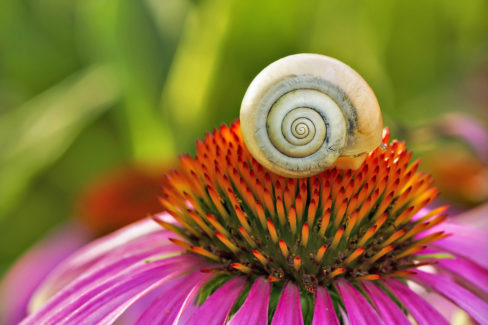
Slugs and snails in the garden can be a total nightmare. These hungry little critters don’t seem to have an “off” switch, and it’s heartbreaking to wake up and find your favorite flower bed reduced to nothing but stems overnight. This leads many of us to wonder: can Coneflowers (botanical name *Echinacea*) help save the day, or are they just another snack on the menu?
Coneflowers and Slugs
If you ask a group of gardeners whether slugs like Coneflowers, you’re going to get a lot of mixed signals. Some folks swear by *Echinacea* as a natural barrier to protect other plants, while others complain that their blooms are being devoured. As is usually the case in the garden, the truth lies somewhere in the middle.
Coneflower Species and Varieties
The general consensus on *Echinacea* is that they are “occasionally bothered” by slugs. The reason opinions vary so much often comes down to which specific variety you’ve planted. Plus, things like location and soil quality can play a big role in how attractive they are to pests.
Last but not least, let’s be real: if food is scarce or the slug population is booming, those slimy guys will eat almost anything—even perennials they usually avoid, like Coneflowers. That’s why you might see zero damage one year and a total feast the next.
Young Plants
While the jury is out on mature plants, most hobby gardeners agree on one thing: seedlings and young plants are in the danger zone. Slugs absolutely love tender new growth, so you’ll definitely want to give your “babies” some extra protection until they’re established.
Slug-Resistant vs. Vulnerable Varieties
If you want to play it safe, these varieties are generally considered slug-resistant:
- Echinacea purpurea “Abendstern”
- Echinacea purpurea “Baby Swan White”
- Echinacea purpurea “Doppeldecker”
- Echinacea purpurea “Green Twister”
- Echinacea purpurea “Magnus”
- Echinacea purpurea “Leuchtstern”
- Echinacea purpurea “Rubinstern”
- Echinacea pallida “Hula Dancer”
On the flip side, some of the newer orange and red hybrids are rumored to be slug magnets. Interestingly, there’s a bit of a debate about the “Orange Passion” variety—some sources say it’s vulnerable, while others claim it’s totally slug-proof!
Coneflowers as a Slug Deterrent?
Can you use hardy Coneflowers to protect your veggies or other sensitive plants? Honestly, the jury is still out. Because reports are so inconsistent and many newer varieties haven’t been tested for this specifically, I wouldn’t rely on them as your only line of defense.
Rudbeckia (Black-Eyed Susans)
You might also hear *Rudbeckia* referred to as “Coneflowers” or “Sun Hats,” and the situation there is pretty much the same. Opinions are all over the map, though the classic yellow-flowering varieties are generally seen as the most slug-resistant of the bunch.