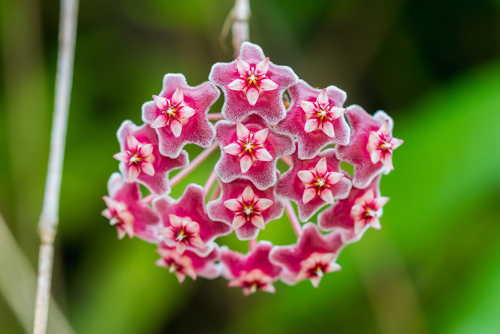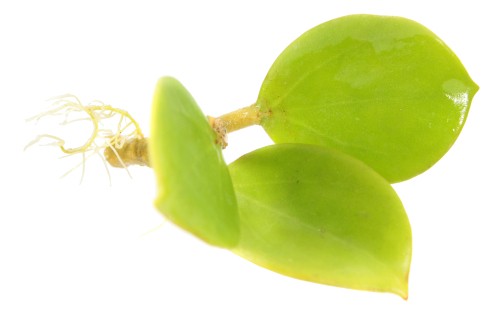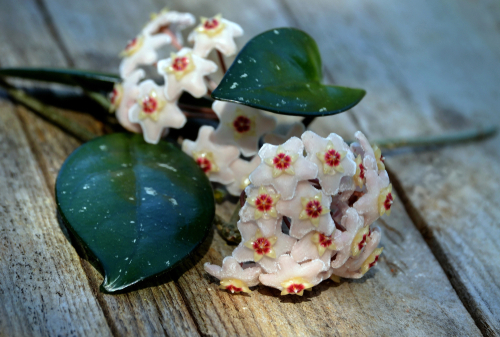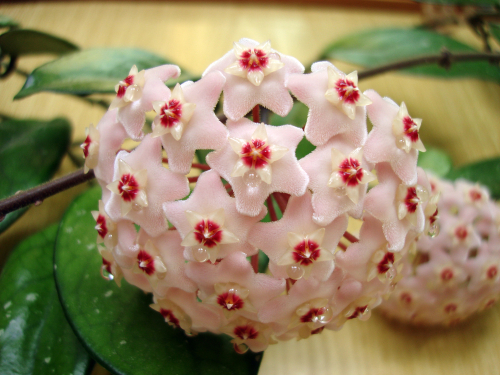
Originally hailing from the tropical regions of East Asia, the Wax Plant (or Hoya) is a true sun-lover. With over 100 known species out there, almost all of them share those same tropical roots. This is great news for us gardeners because it means that no matter which variety you pick, the care routine stays pretty much the same. The real fun starts when you see the different ways their stunning “flower balls” bloom!
The Top Three Hoya Varieties
Because they crave consistent warmth, you won’t find Wax Plants growing outdoors in most parts of the States—they just can’t handle the cold. However, they make absolutely fantastic houseplants. While there are tons of species, three specific Hoyas have become the go-to favorites for indoor jungles:
- Hoya australis
- Hoya bella
- Hoya carnosa
What Makes Each One Special?
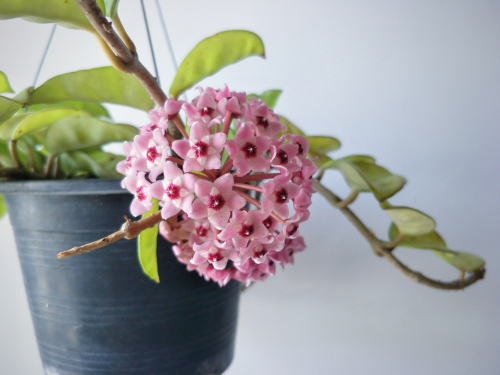
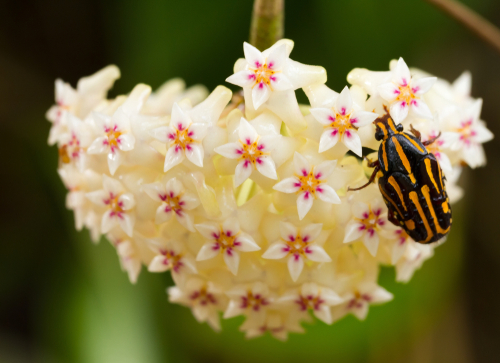
As you might guess from the name, Hoya australis comes to us from Northern Australia. It’s a vigorous grower that produces beautiful white flowers with striking red centers. If you’re looking for something a bit more contained, Hoya bella is your best bet; it has a much more compact growth habit and features white blooms with pretty purple centers. Finally, there’s the Hoya carnosa, a champion climber that shows off white flowers with delicate, pale pink centers.
Care is a Breeze (and Consistent!)
Even though the flowers look different from one species to the next, caring for your Hoya is generally the same across the board. The golden rule? It’s all about balance. You want to make sure your plant isn’t sitting in soggy soil, but you don’t want it to bone-dry for too long either. All Hoya varieties hate “wet feet” (standing water) just as much as they hate a long drought.
Nature Meets Cultivation
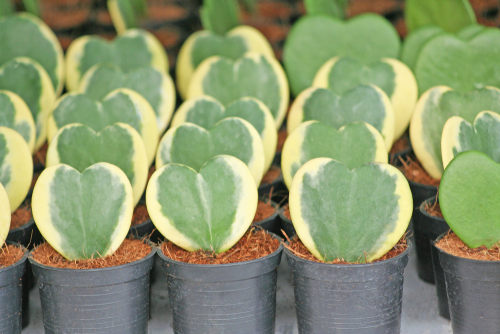
While many Hoya species exist in the wild across South China, India, Japan, and Australia, many of the ones we buy at the local nursery are actually specific cultivars. Even though these plants are tough and adapted to various tropical climates, breeders have refined them over the years to make sure they truly thrive in the specific conditions of our homes.