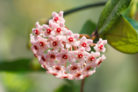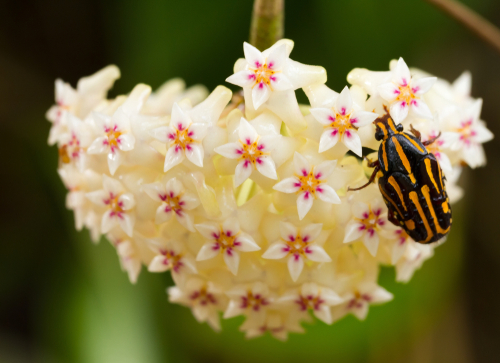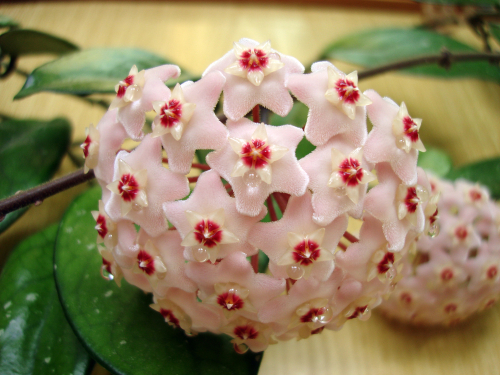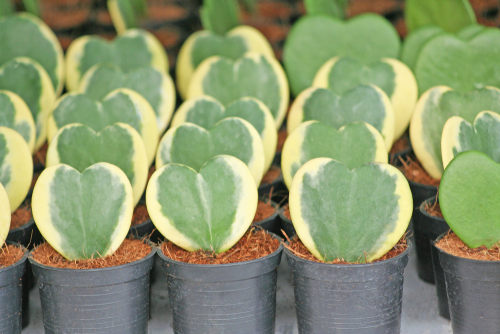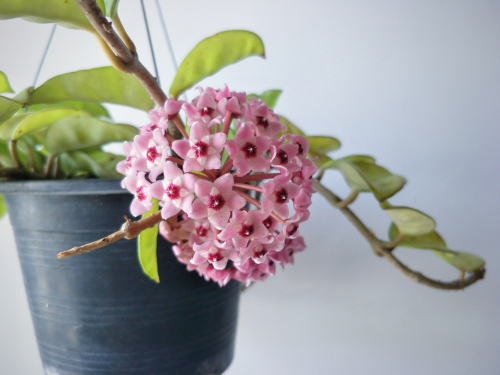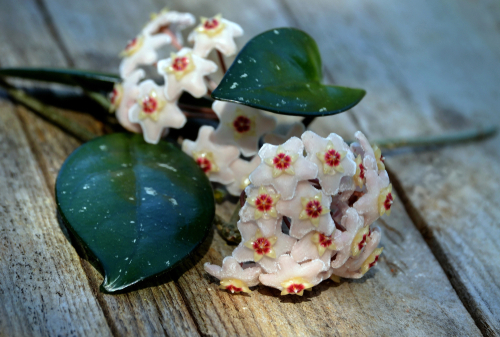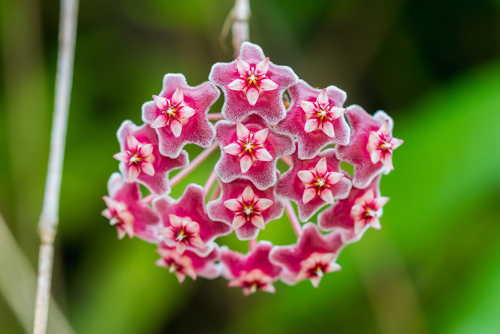
Originally hailing from the tropical regions of East Asia, the Wax Plant—better known to most of us as the Hoya—is a true sun-lover that thrives in warm climates. Because it can’t handle temperatures below 60°F (15°C), it’s almost exclusively grown as a houseplant here in the States. If you want yours to thrive, getting the care routine just right is key!
Mastering the Watering Routine
One of the most important things to learn about Hoya care is how to water properly. These plants are notoriously sensitive to “wet feet” (root rot), so you definitely want to avoid overwatering. On the flip side, you can’t let them bone-dry either, as they need a steady bit of moisture to produce those gorgeous, fragrant blooms. My rule of thumb? Give them a careful drink only when the top layer of soil feels crumbly and dry to the touch.
Avoid Moving or Repotting Too Often
As much as they love consistency with water, Hoyas are even more sensitive to change. If you try to move your plant once it starts budding—say, to get a better view of those stunning flower clusters from your favorite chair—don’t be surprised if it drops its blooms entirely! They often react the same way to being repotted. My advice: only move or repot your Hoya when it’s absolutely necessary.
When and How to Prune Your Wax Flower
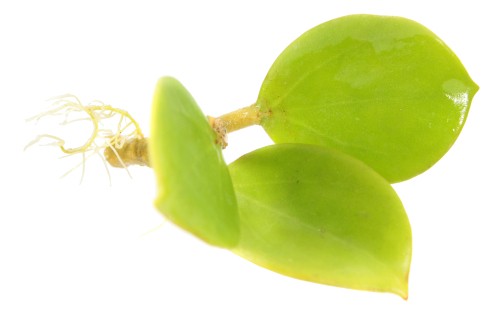
During the spring, Hoyas tend to go through a bit of a growth spurt. You might find vines wandering off in directions you didn’t intend! Feel free to prune these back to keep the plant shaped the way you like. Even better, you can use those clippings as cuttings. Compared to the finicky nature of daily Hoya care, propagating them this way is actually surprisingly easy.
Getting Through the Winter
Helping your Hoya overwinter successfully is the final piece of the puzzle. To make sure your plant recharges its batteries for the next growing season, its winter home should be:
- Plenty bright with natural light
- On the cooler side (but not cold!), which helps the plant rest up for a big bloom come spring