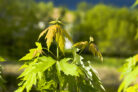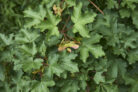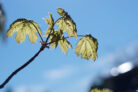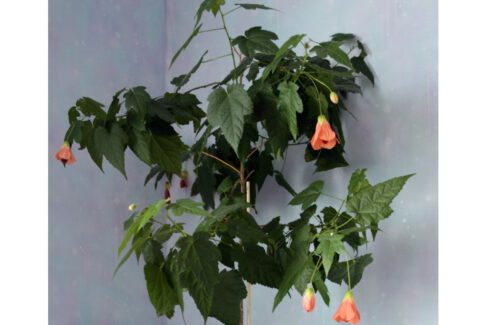
Let’s get one thing straight: The Maple tree is definitely not a houseplant. Period. And yet, there’s a charming little grower often called the “Flowering Maple” (or sometimes the Parlor Maple) that begs to differ. Technically, it’s an *Abutilon* hybrid, and while its leaves look like they were plucked straight from a maple tree, this plant has a lot more to offer than just cool foliage if you treat it right.
The Flowering Maple: A Non-Stop Bloomer
While the Flowering Maple has South American roots, the versions we love today are specially bred cultivars. We grow them for one reason: they are stunning. Because they can’t handle the frost, they need to live in a mobile container. These plants grow like shrubs and can reach up to ten feet tall! Their lush green or variegated leaves—which look exactly like Sycamore maple leaves—provide the perfect backdrop for vibrant red, white, pink, orange, or yellow bell-shaped flowers. The best part? Depending on the variety, they can bloom all year round.
Location and Soil: Finding the Sweet Spot
Your Abutilon can live indoors year-round, but it absolutely loves a summer vacation outside. The rule of thumb is: the more light it gets, the more flowers you’ll see. If it’s stuck in a dark corner, it might stop blooming altogether, and those pretty variegated leaves might turn solid green.
- Avoid harsh, direct midday sun.
- It loves the gentle morning and evening sun.
- If you move it outside for summer, acclimate it slowly so it doesn’t get “sunburned.”
- Keep it sheltered from heavy rain.
When it comes to soil, don’t skimp. Use a high-quality potting mix or a specific container plant substrate. You’re looking for something nutrient-rich that drains well—this South American beauty doesn’t like “wet feet” but hates being bone dry.
Watering and Feeding
The warmer it gets, the thirstier your Flowering Maple will be. In the heat of summer, it’s actually okay if a little water sits in the saucer. In the winter, however, you have to walk a tightrope: don’t let it dry out completely, but don’t let it sit in soggy soil either. If you mess up the watering, the plant will let you know by dropping its leaves.
From March through September, give it a boost with a liquid fertilizer for container plants once a week. Just mix it into your watering can, and you’re good to go.
Repotting and Pruning
Since these are fast growers, you should move them into a pot that’s about an inch larger every spring with fresh soil—even if the plant looks perfectly happy. This is also the perfect time for a “haircut” to keep its shape. Fall is another great time for pruning, especially if you’re training your Abutilon into a “standard” (a little tree shape). For young plants, pinch off the tips regularly to encourage them to grow thick and bushy rather than leggy.
Wintering Safely
By October, any plants that spent the summer on the patio need to come inside. They prefer a bright “winter hotel” kept at about 60°F (15°C).
Pro Tip:
If you don’t have a spot that’s exactly 60°F, you can keep it in a cooler room as long as it stays frost-free. Just keep in mind that while it will keep blooming at 60°F, it will likely drop its leaves in a cold room and won’t grow new ones until spring.