Getting your fertilization routine right is so crucial for a maple tree’s health that every gardener should be able to do it in their sleep. I’m not even exaggerating—if you mess this up, your favorite tree might end up paying the price with a nasty fungal infection.
The Best Fertilizers for Your Maple
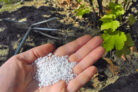
Using a fertilizer that’s too heavy on nitrogen can actually make your maple more susceptible to diseases. Instead, stick with organic options like compost or horn meal, or even whip up a batch of plant-based liquid manure. If you have to use a store-bought mineral fertilizer, just make sure it’s low in nitrogen. That “Blaukorn” (blue granule) fertilizer so many people love for their gardens is actually a poor choice for maples. If you’re growing a maple in a pot, your best bet is a high-quality liquid fertilizer.
When to Feed Your Tree
The timing for adding nutrients depends entirely on what kind of fertilizer you’re using:
- Organic slow-release fertilizers: Apply twice a year—once in the spring and once in the fall.
- Mineral fertilizers: Apply every 3 to 4 weeks from spring through late summer.
- Liquid fertilizers: Follow the specific instructions on the product label.
Pro Tip:
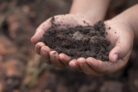
When you’re first planting a maple tree in your garden, fill about a third of the hole with mature compost. This gives your tree a fantastic nutritional head start.
A Few Rules of Thumb
Spread your fertilizer evenly across the root zone. Afterward, give the tree a good soak and carefully work the fertilizer into the top layer of soil. Just be extra gentle—you don’t want to damage any of those maple roots!
Boost Winter Hardiness with Potassium
Maples get more winter hardy as they age, but you can give them a helping hand. To help your tree reach its maximum cold resistance, give your maple a potassium boost in the fall. Potassium works like a natural antifreeze by lowering the freezing point of the cell sap and strengthening the cell walls.
Pro Tip:
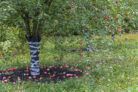
I know it’s tempting to rake up every single leaf as soon as it hits the ground, but try to leave some of that leaf litter alone. As the leaves decompose, they turn into essential nutrients that feed your tree naturally.