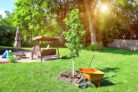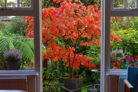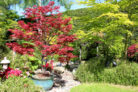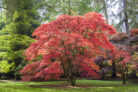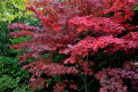
If you’ve fallen in love with a specific type of maple tree, your first mission is to find the perfect spot for it in your yard. Trust me, your tree will thank you! The biggest clue to a happy maple is its craving for sunlight. If it spends too much time in the dark, that spectacular fall color we all love will end up looking pretty dull and pale.
Sun vs. Shade: Finding the Sweet Spot
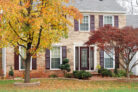
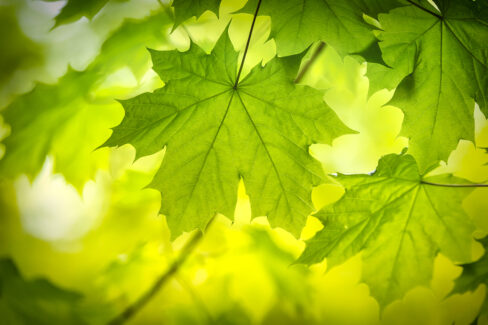
As a general rule of thumb, give your maple as much sun as it can safely handle. The more sunlight the leaves soak up, the more vibrant and fiery those colors will be when autumn rolls around.
- Full Sun: Sycamore Maple, Amur Maple, Japanese Maple, Paperbark Maple
- Full Sun to Partial Shade: David’s Maple, Boxelder, Japanese Laceleaf Maple, Redvein Maple, Red Maple, Norway Maple, Red Snakebark Maple, Vine Maple
- Full Sun to Full Shade: Hedge Maple, Sugar Maple
Pro Tips for Choosing the Right Location
Maples are early birds—they start their new growth quite early in the spring. Because those fresh buds are so delicate, try to pick a spot that isn’t a “frost pocket” where late spring freezes might nip them. Also, keep an eye on that intense midday summer sun; it can actually scorch the tree and lead to yellowing leaves. If you’re planting in a full-sun spot, just make sure you can keep the soil consistently moist.
A few other “gold star” features for a location include slightly elevated ground (which helps prevent soggy roots) or being near a pond or stream. Keep in mind that maples have an impressive growth rate per year when they’re young. They can develop a wide, spreading canopy faster than you think, so make sure your tree has plenty of elbow room to grow!
Watch Out for the Wind (Especially for Ornamental Types)
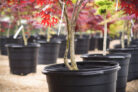
Ornamental maples, many of which hail from Asia, love a bit of a breeze, but they hate being whipped by strong winds. A combo of harsh winds and direct, hot sun can lead to “leaf scorch” or tip wither. Since these varieties stay smaller, they are perfect for pots on a balcony or patio. You can even train them as bonsai! Just a heads-up: if you see something called a Flowering Maple for indoors, it’s actually an Abutilon—it just has leaves that look like a maple.
Moving Your Tree: Do It While They’re Young
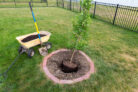
Most maples are shallow-rooted, though they are flexible enough to grow deeper roots if they really have to. Because those roots spread out right under the surface, moving an established tree is a real headache. If you need to transplant your maple, it’s best to do it within the first four years while the tree is still small and manageable.
Quick Tip:
Maple roots love to spread out far and wide. They really don’t like it when the ground above them is sealed off with pavers or heavy stones—they need to breathe!
The Perfect Soil Mix
Almost all maples prefer soil that is well-draining, a mix of sand and loam, and packed with nutrients. Most varieties like their soil slightly acidic to neutral (a pH between 4.5 and 7). However, there are exceptions: the Sycamore Maple and the popular Hedge Maple actually prefer soil that is a bit more alkaline (lime-rich).