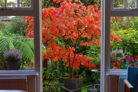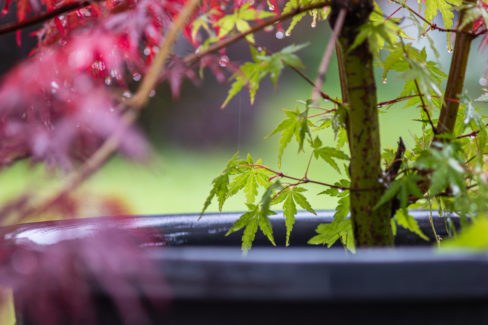
If you only have a small balcony to work with, don’t worry—you don’t have to give up on your dream of owning a maple tree! Many smaller varieties are perfectly happy living in a container. While pot-grown maples do need a little extra TLC compared to those in the ground, “well-maintained” definitely doesn’t have to mean “hard work.”
Choosing the Right Maple and Potting It Up
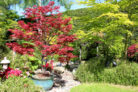
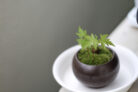
The Japanese Maple (Acer palmatum), often called the Laceleaf Maple, is an absolute superstar for container gardening. Plus, it’s just stunning to look at. To get started, you’ll want a pot that holds about 2.5 to 3 gallons (10 liters) and has plenty of drainage holes. Since these beauties can be a bit sensitive to frost, it’s best to plant your maple in the spring. Make sure to include a drainage layer at the bottom and use potting soil that is loose, airy, and rich in nutrients.
Quick Tip:
If you’re looking for a real showstopper, check out the ‘Sango Kaku’ (Coral Bark Maple). It has an upright growth habit with green leaves edged in red, but the real highlight is its vibrant red bark that pops in the winter.
Finding the “Sweet Spot” for Your Tree
To get those fiery, glowing leaf colors we all love, location is everything. The right spot also helps your tree stay hardy against pests and diseases. A potted maple thrives in full sun to partial shade, ideally getting about six hours of sunlight a day. They love a spot with good air circulation, but there are a few things they really hate:
- Scorching midday sun (this can burn the leaves and turn them brown)
- Strong winds (which can cause the tips of the branches to dry out)
- Deep shade (which makes those brilliant colors fade to a dull green)
Your Maple Care Routine
When it comes to maintenance, it’s all about mastering the balance of water and fertilizer. Overdoing it won’t give you prettier leaves; it’s all about consistency.
- Water deeply whenever the top inch of soil feels dry to the touch.
- Only fertilize during the growing season (April through July).
- Use a liquid fertilizer every two weeks, or simplify things with a single application of a good slow-release fertilizer in the spring.
Since these maples are slow growers, you rarely ever need to prune them. If you do need to do a little shaping, late winter is the best time. Just be careful not to cut back into the old wood, as the tree won’t sprout new growth from there.
Getting Through the Winter
If you’re growing a delicate Laceleaf variety, it’s often safest to overwinter it indoors because they can be quite sensitive to freezing temperatures. The perfect winter home is bright, frost-free, and stays around 40°F (5°C). Other hardier varieties can stay outside, but they’ll need some protection. Wrap the pot in bubble wrap, burlap, or coconut mats, and move it to a sheltered spot on top of a wooden pallet or foam board to insulate it from the cold ground. For young trees, it’s also a good idea to wrap the crown in a breathable garden fleece. And don’t forget: give your maple a little sip of water on frost-free days so it doesn’t dry out!