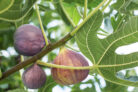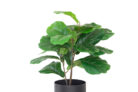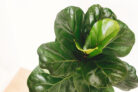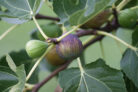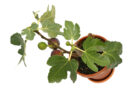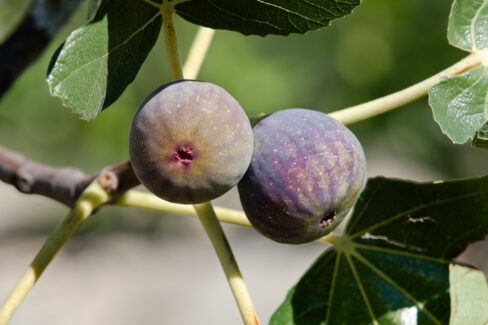
If you live in a particularly chilly climate, your best bet is to let your fig tree soak up the sun outdoors during the warm summer months and bring it inside for the rest of the year. The good news? With a little TLC, figs actually make fantastic houseplants!
The Perfect Spot
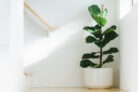
Indoor figs are total sun-worshippers. A spot right by a bright window or in a frost-free sunroom is ideal. Whatever you do, avoid dark corners or north-facing windows during the winter; without enough light, your tree might drop its leaves prematurely.
You’ll also want to keep your fig out of drafty areas. Avoid placing it right next to a door or a window that gets opened frequently. A cozy, centered spot in front of a sunny window is the way to go.
Soil Talk
When you’re growing figs in pots or planters, they need a very nutrient-rich soil to thrive.
Great options include:
- Standard high-quality potting soil
- Vegetable garden soil
- Compost-based soil
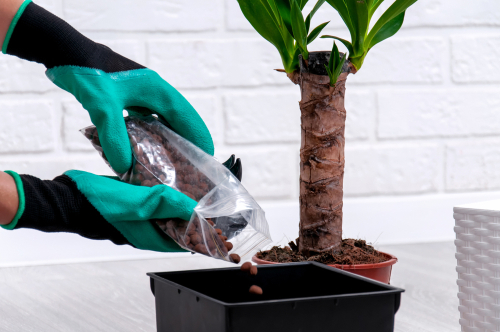
Figs also love good drainage. I recommend mixing in a little expanded clay or lava rock to keep the substrate nice and airy.
Watering and Feeding
Since potted plants have limited resources, you’ll need to stay on top of watering and fertilizing (luckily, these tasks go hand-in-hand!).
To avoid root rot, try watering from the bottom using room-temperature water. A pro tip: keep a watering can sitting next to the pot so the water is always the right temperature when you need it. Keep the soil moderately moist, but don’t stress if the very top layer dries out between waterings.
When it comes to fertilizing your fig, a standard liquid fertilizer works great—just make sure it’s organic! Since indoor figs can still produce delicious fruit, you want to ensure anything you harvest is safe to eat. Stick with bio-fertilizers to be on the safe side.
The Winter Break
Managing a “winter nap” for a year-round houseplant can be a little tricky. Even though figs are naturally hardy and usually go dormant in the cold, indoor temperatures can mess with their internal clock. You might find your tree getting confused and dropping its leaves in the spring instead of the fall!
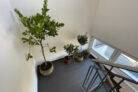
If your fig stays inside all year, this isn’t a huge deal. However, if your plant spends its summers outside, you should move it to a cooler spot starting in autumn. A bright stairwell or an unheated (but frost-free) conservatory is the perfect place for it to rest.