Looking to give your local wild bees and butterflies a gourmet buffet? There are tons of plants that not only feed our pollinator friends but also look absolutely stunning in your backyard. We’ve rounded up seven of the most popular insect-friendly plants, plus a little “insider tip” that your garden (and the bees) will love.
[[pflanzen]]
++Borage (Borago officinalis)
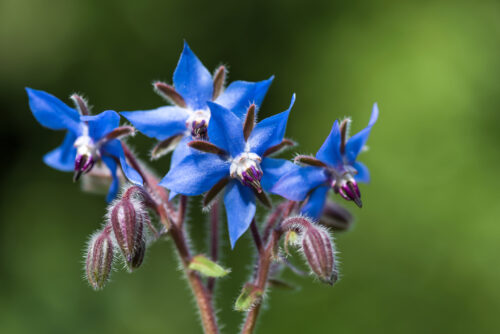
This annual herb is a powerhouse for both the kitchen and the garden. You can sow it directly into your beds from April through June. It’s a real looker, too—honestly, it holds its own against any ornamental flower. The leaves have a cool, fuzzy texture, and about two months after planting, you’ll see bright blue, star-shaped flowers popping up. These blooms are packed with high-sugar nectar, making them a top destination for bees and other beneficial bugs.
++Pot Marigold (Calendula officinalis)
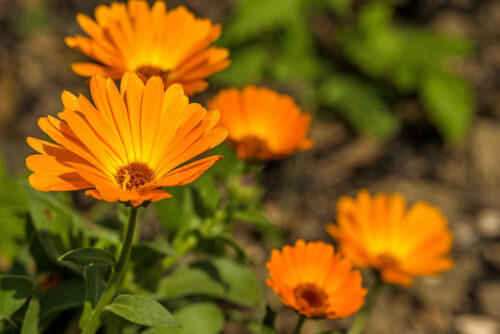
The Pot Marigold is a certified fan favorite in the insect world. You’ll see wild bees, honeybees, bumblebees, and butterflies constantly hovering around these bright beauties. They bloom reliably from June all the way into October, with colors ranging from creamy yellow to deep crimson. Some varieties even have striking dark centers. After they bloom, they produce curved, ring-shaped seeds that you can easily collect and replant next year.
++Butterfly Bush (Buddleja)
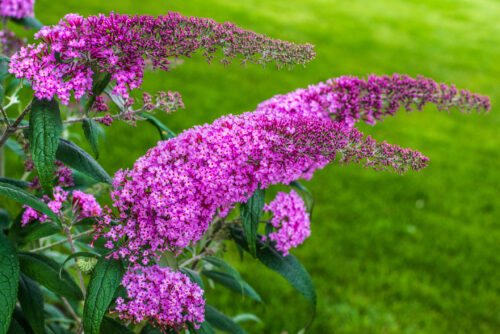
The name says it all! This shrub features silvery-green leaves and massive flower spikes—sometimes up to a foot long—in shades of pink or purple. They smell like sweet honey, which acts like a magnet for butterflies. Just a heads-up: because the Butterfly Bush is a vigorous grower and can spread easily, it’s a good idea to deadhead the faded flowers to keep it from taking over your neighborhood.
++Lupine (Lupinus)
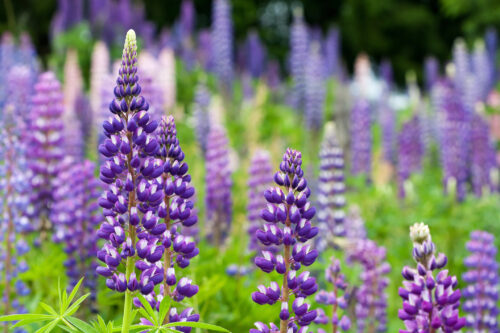
If you want some drama in your flower beds, Lupines are the way to go. These nectar-rich towers can grow up to four feet tall, with flower spikes reaching nearly 20 inches. They come in white, yellow, pink, red, or purple. The bicolor varieties are especially gorgeous, mixing different shades in their unique, pea-like blossoms.
++English Lavender (Lavandula angustifolia)
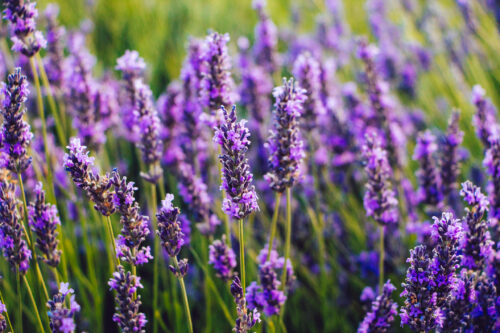
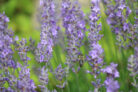
English Lavender is a classic for a reason. This woody subshrub grows about 30 inches tall and starts pumping out those iconic purple spikes in June. The scent we all love is exactly what draws in the bees and butterflies. Plus, since it blooms well into the fall, it provides a vital food source late in the season when other flowers have already called it quits.
++Catmint (Nepeta cataria)
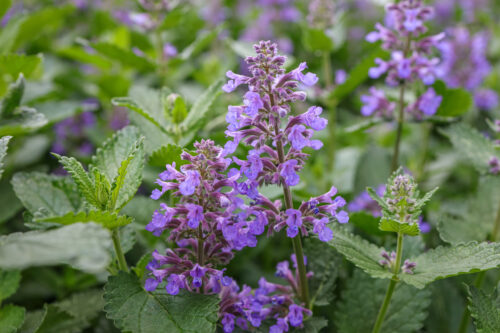
This hardy perennial can reach about three feet in height and blooms in shades of white, pink, or blue from June to September. The flowers are packed with super-sweet nectar, making them a hotspot for bees, bumblebees, and even hummingbird moths. From sunrise to sunset, you’ll likely see a non-stop party of pollinators buzzing around these plants.
++Thyme (Thymus vulgaris)
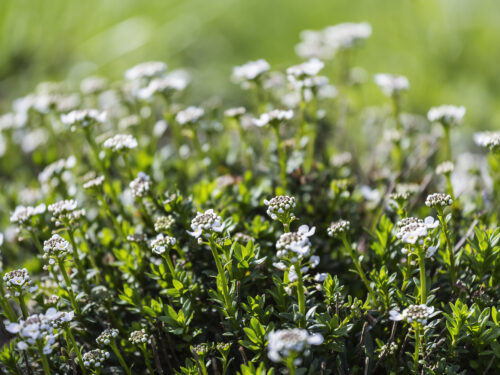
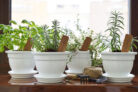
Thyme isn’t just for seasoning your dinner; it’s one of the best plants you can grow for insects. This low-maintenance herb stays relatively short (8 to 15 inches) and gets quite woody. From May through late autumn, it’s covered in tiny pink or purple flowers. The intense herbal aroma is a dinner bell for honeybees, wild bees, and butterflies alike.
%%Lacy Phacelia (Phacelia tanacetifolia)
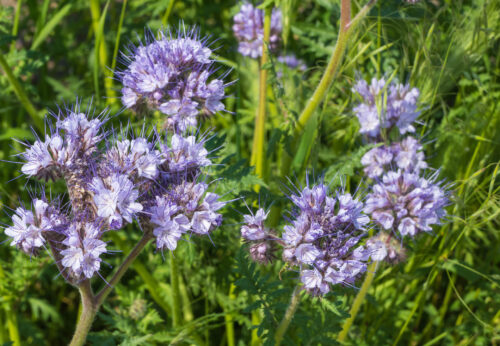
Here’s our secret tip: Phacelia, often called “Bee’s Friend.” This annual is frequently used as a cover crop to improve soil texture, but insects absolutely adore it. Starting in June, it produces delicate blue flowers with long stamens that make it super easy for bugs to grab a snack. It’s incredibly rich in both pollen and nectar, making it a five-star restaurant for bees, hoverflies, and butterflies.