Growing annual borage from seed is usually a breeze, but there are a few tricks to getting it just right. Since these plants are a bit sensitive to frost, timing is everything. Plus, picking the perfect spot won’t just help your seeds sprout; it’ll keep your plants happy and thriving all season long.
Finding the Perfect Spot
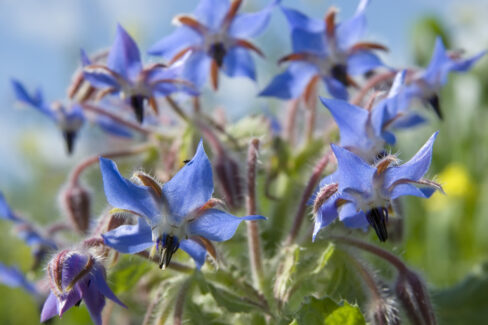
Borage (scientifically known as *Borago officinalis*) develops a long taproot, which means it’s a bit of a homebody—it really hates being moved! Because of this, I don’t recommend starting seeds indoors. Instead, sow them directly into their permanent location in the garden. Before you get started, look for a spot that meets these criteria:
- Full sun to partial shade and nice and warm
- Loose, well-draining soil
- Rich in nutrients and consistently moist
- A soil pH between 6.5 and 7.5 is ideal
Pro Tip:
Avoid tucking borage into your dedicated herb bed. It has different soil needs than most Mediterranean herbs, and since it can grow up to 30 inches tall, it’ll end up shading out your smaller plants. However, it makes a fantastic neighbor for strawberries, cucumbers, and zucchini!
Buying vs. Collecting Seeds
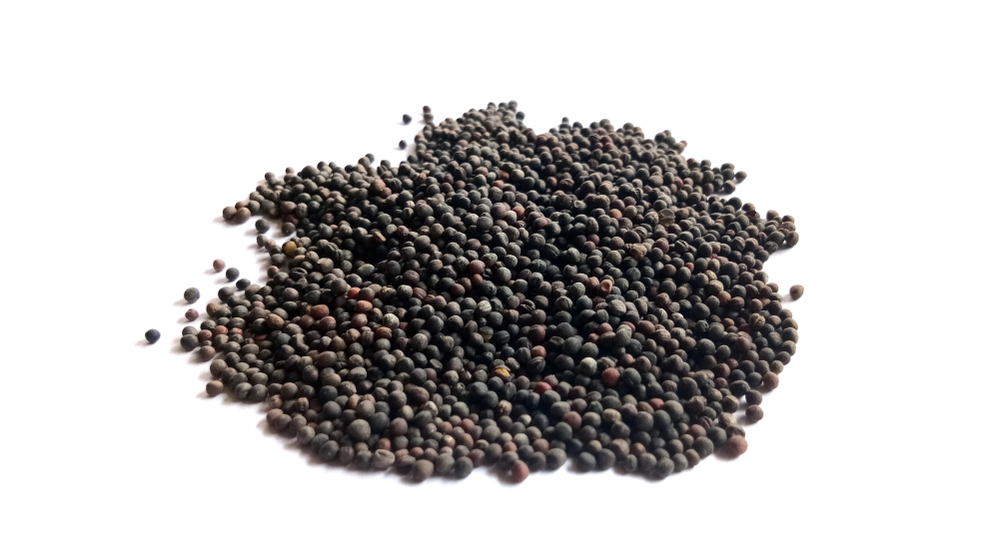
You can pick up borage seeds for a few bucks at any garden center, but if you have access to a friend’s garden, self-harvested seeds work just as well. Just a heads-up: borage seeds lose their “oomph” quickly. For the best germination rates, make sure your seeds are no more than a year old.
Step-by-Step Sowing Guide
Since borage isn’t a fan of the cold, wait until at least mid-April to start planting. To ensure you get a good harvest before the season ends, try to get them in the ground by early July at the latest. Here’s how to do it:
- Prep your garden bed by loosening the soil and clearing out any weeds or large stones.
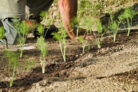
- You can scatter the seeds broadly, or plant them in rows spaced 14–18 inches apart, leaving about 6–10 inches between each seed.
- Borage seeds need darkness to sprout, so tuck them about ½ to 1 inch deep into the soil.
- Give the area a good watering.
- You should see sprouts in about two weeks (though sometimes they like to take their sweet time!). Once they’re established, thin the plants out so they have about 6–10 inches of breathing room.
Pro Tip:
If your crop takes off, you’ll have plenty to harvest in just a few weeks. If you find yourself with more leaves and flowers than you can use fresh, you can dry them or freeze them to enjoy a taste of summer during the winter months.