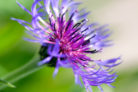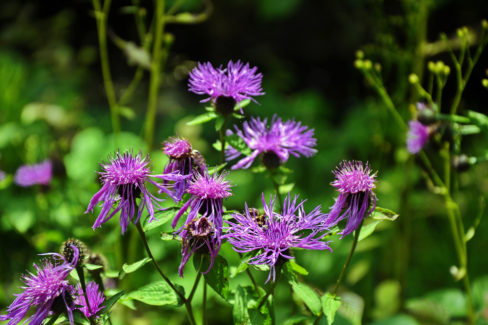
Meet the Meadow Cornflower: a charming wildflower from the Aster family that’s making a big comeback. While you’ll traditionally spot these beauties dancing in open meadows and pastures, more and more home gardeners are tucking them into their own landscapes. From June all the way through November, they put on a show with delicate, fringed blossoms in a lovely shade of soft violet. You might have noticed livestock munching on them in the wild without a care in the world—and that’s because they aren’t toxic. But can we humans enjoy them too? Let’s dig in!
Getting to Know the Meadow Cornflower
Meadow Cornflowers are total sun-worshippers. You’ll usually find them popping up in:
- Cottage gardens
- Along sunny pathways
- In dry patches of lawn
- Front yard flower beds
- Perennial borders
- Tucked against sunny house walls
- Peeking through fence lines
The secret to keeping them happy? Plenty of sunshine and soil that’s nutrient-rich, well-draining, and moderately moist. They bloom from late spring straight through the fall, acting as a high-end buffet for bees, bumblebees, hoverflies, and butterflies.
How to Use Meadow Cornflower
Since they bloom from June to November, you have a long window to harvest those pretty flowers. If you’re interested in the leaves, it’s best to pick them *before* the plant starts flowering; that’s when the bitter compounds (like tannins and flavonoids) are at their lowest. While they are 100% safe for humans to eat, keep in mind that the leaves and stems have a pretty sharp, bitter kick. Because of that, most people use them sparingly as a zesty addition to a salad rather than the main event. The gorgeous purple flowers, on the other hand, don’t have much of a flavor at all—they’re mostly used as a stunning edible garnish to level up your wild herb salads, soups, or veggie platters.
The Meadow Cornflower as a Healing Herb
Back in the day, the leaves and roots of the Meadow Cornflower were staples in the herbalist’s toolkit. An extract made from the leaves was often used to treat eye irritations and eyelid inflammation. The roots, packed with bitter compounds, were used as a digestive aid and a diuretic, or brewed into a tonic to boost overall wellness. And here’s a fun fact for the homebrewers: people used to use the leaves and young shoots as a substitute for hops when brewing beer!