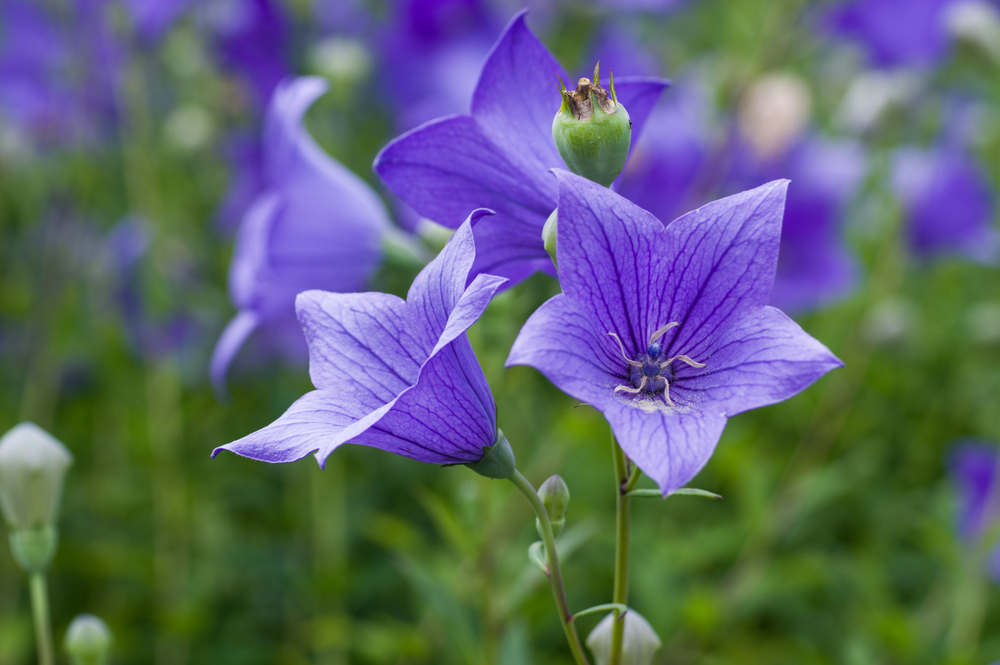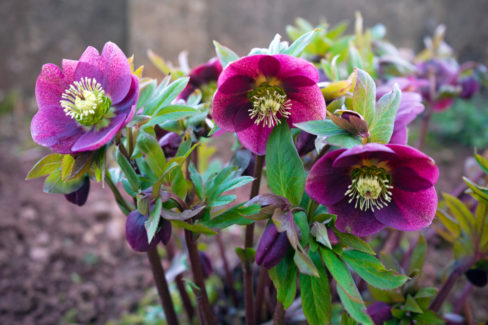
The evergreen Christmas Rose (also known as the Snow Rose) is a total favorite in home gardens because it’s a low-growing perennial that actually blooms in the dead of winter. They also look fantastic grouped together in pots on a porch or balcony for some easy-care winter decor. However, you’ve got to be a little careful with these beauties—they belong to the buttercup family, which means they pack some pretty potent toxins that can be dangerous if handled incorrectly.
Toxins Found in the Christmas Rose
Since this plant is part of the Ranunculaceae family, it contains a cocktail of toxic compounds, including:
- Saponins
- Protoanemonin
- Helleborin
- Hellebrin
Just getting the plant’s sap on your skin can cause a nasty rash or irritation. That’s why I always recommend wearing a good pair of gardening gloves whenever you’re working with them. It’s also a smart move to clean your pruning shears or garden tools right after you’re done. If any part of the plant is actually eaten, it can lead to some serious symptoms like:
- Intense thirst
- Nausea and diarrhea
- Shortness of breath
- Irregular heartbeat
- Irritation or inflammation in the mouth and throat
- Dilated pupils
Every single part of the Christmas Rose is toxic, but the roots and seed pods are the most dangerous. Back in the Middle Ages, people actually used it as a laxative or to induce vomiting—definitely don’t try that at home today! The risk of accidental poisoning is just way too high. Interestingly, though, extracts from the plant are still used in homeopathy (like in globule form) to treat specific issues related to the brain, nerves, heart, and urinary tract.
What to Do in Case of Poisoning
Poisoning from a Christmas Rose isn’t super common, but it can happen—especially with curious little kids who might try a “taste test.” If a child starts complaining about a sore mouth or throat, feels dizzy, or has an upset stomach, take it seriously. Dilated pupils are another big red flag. If you suspect poisoning, the best first-aid step is to administer activated charcoal and call emergency services or a poison control center immediately.
Are Christmas Roses Toxic to Pets?
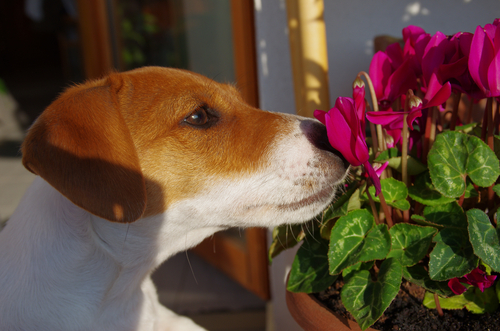
Yes, our furry friends are also at risk. Livestock can suffer fatal heart issues if they accidentally eat dried Christmas Roses mixed into their hay. Around the house, puppies and kittens are the most vulnerable. If your pet starts showing symptoms like unexplained tremors, dilated pupils, rapid breathing, vomiting, diarrhea, excessive drooling, or even paralysis, they might have gotten into the Snow Rose. If you see any of these signs, get them to a vet right away!