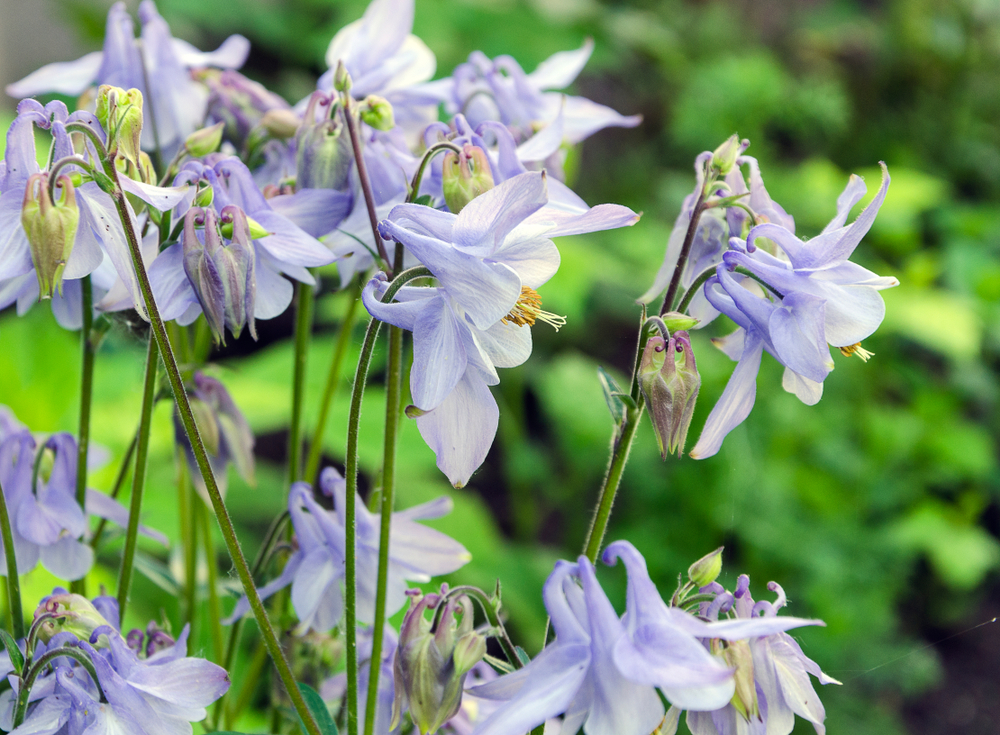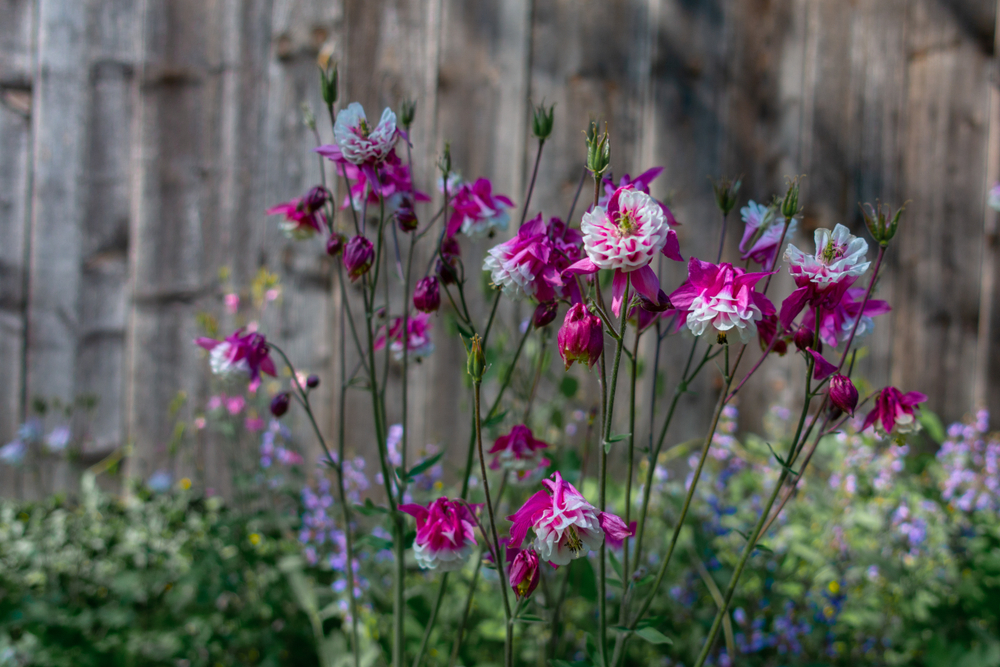
Columbine is a total standout in the flower bed thanks to its unique, almost alien-looking blooms. It’s a member of the buttercup family (Ranunculaceae), and just like its cousins, it’s actually toxic. Even just brushing up against it with bare skin can cause a reaction for some people. Interestingly enough, despite its punch, it has a long history as a traditional medicinal herb.
The Toxicity of Columbine
This gorgeous perennial is toxic from root to flower. It contains an alkaloid called magnoflorine as well as cyanogenic glycosides (which can release hydrogen cyanide).
You definitely want to avoid eating any part of the fresh plant, and keep a close eye on the seeds, as they pack the highest concentration of toxins. This goes double for your pets! It’s also a good idea to keep small children away; while the leaves taste super bitter (which usually stops kids from eating them), simply touching the plant can cause nasty skin irritation.
Symptoms of Poisoning
If someone happens to ingest the plant or gets the sap on their skin, here are a few red flags to look out for:
- Shortness of breath
- Nausea and vomiting
- Diarrhea
- Dizziness or circulation issues
- Irregular heartbeat
- Muscle cramps
- Redness of the skin
- Rashes (pro tip: always wear your gardening gloves when handling these!)
If you notice any of these symptoms, don’t wait—reach out to a doctor immediately.
Use as a Medicinal Plant
The “scary” compounds in columbine are mostly a threat when the plant is fresh. When dried or boiled, those toxins tend to dissipate. Historically, dried columbine has been used in tea blends, and heated plant parts were often used in poultices to treat things like:
- Rheumatism
- Gout
- Ulcers and abscesses
- Parasites (using the dried plant in tea)
Safety Tips for Growing Columbine
Since the whole plant is toxic, it’s best to be strategic about where you plant it. If you have toddlers running around, try placing your columbine toward the back of the flower bed or in pots that are out of reach. Remember, they don’t have to eat it to get a rash—just touching it can be enough.
If you have pets, you’ll want to keep them away from columbine as well. Animals can actually absorb the toxins through skin contact. For small pets like guinea pigs or rabbits, nibbling on this plant can be fatal, so call a vet right away if you suspect they’ve had a snack. And a quick heads-up for horse owners: columbine has no business near a pasture. If a horse eats it, the toxins hit their system fast and require urgent veterinary care. It’s a good habit to scout your fields and fence lines to clear out any wild columbine that might be popping up.