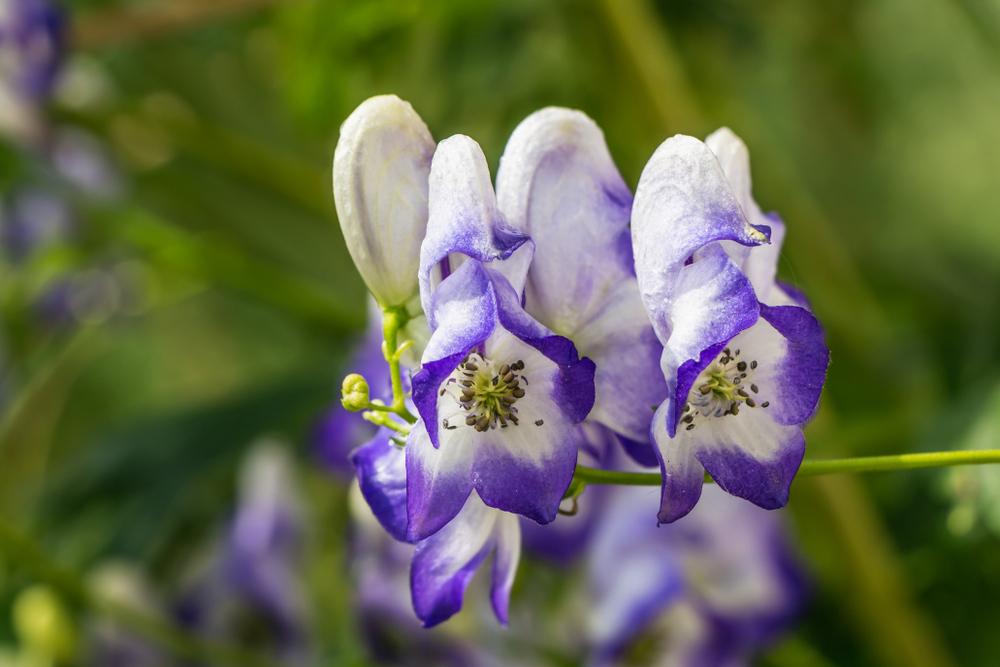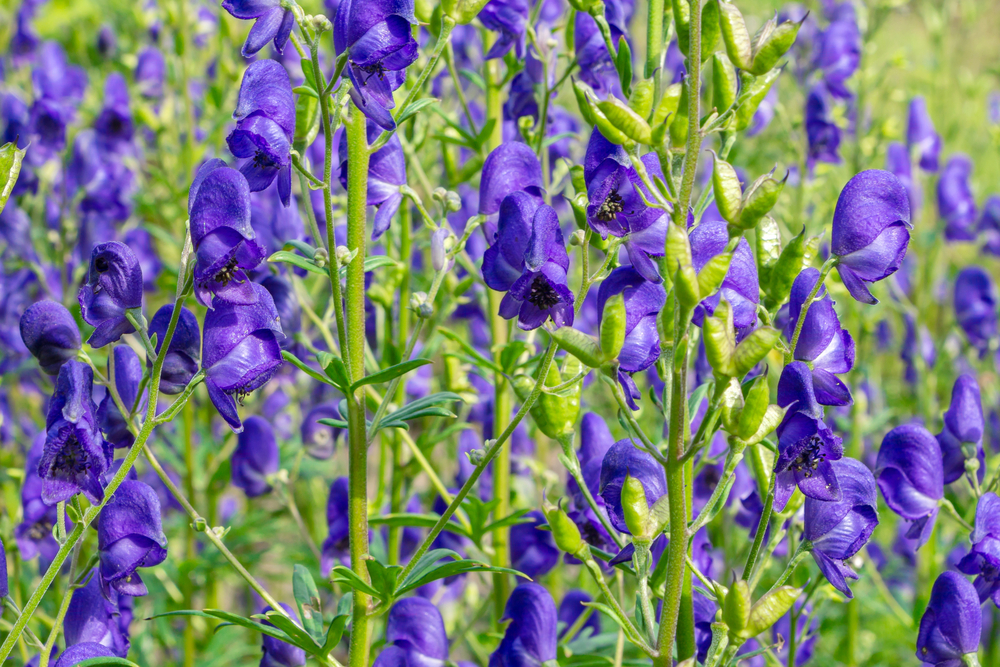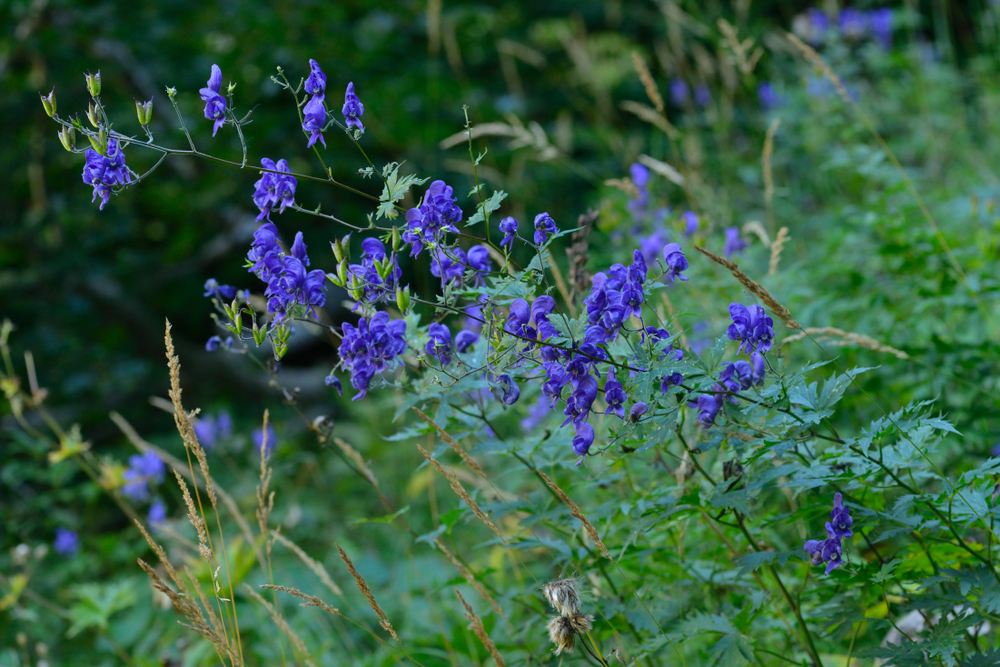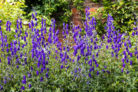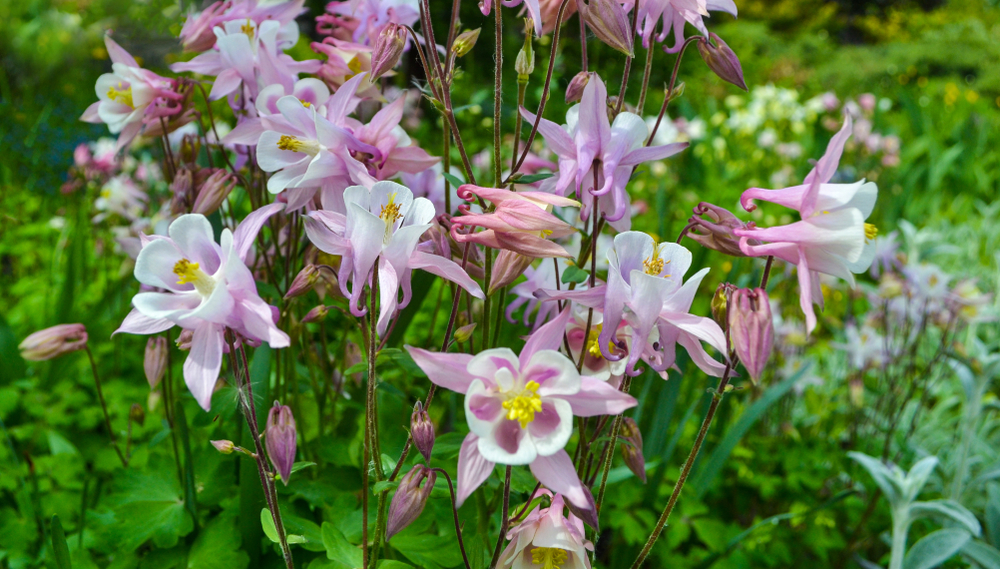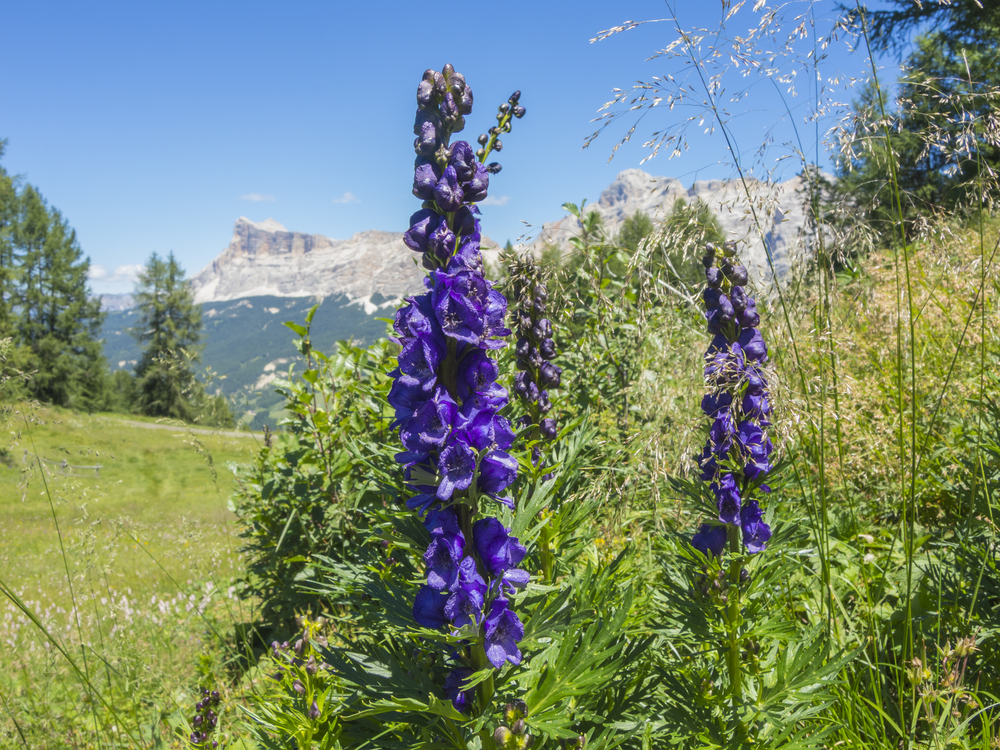
Let’s get one thing straight right off the bat: Monkshood (also known as Blue Aconite) is incredibly toxic. If ingested, it can cause severe health issues or even be fatal. Even though those deep blue blooms are absolutely stunning, you really need to think twice before adding it to your flower beds—especially if you have curious kids or pets running around.
Every Single Part is Poisonous!
While some plants only carry toxins in their berries or leaves, Monkshood is the whole package—and not in a good way. Every single part of the plant is poisonous. The highest concentration of toxins is found in the tubers and the seeds. The “culprits” here are aconitine and various other alkaloids that definitely don’t play nice with the human body.
Symptoms of Monkshood Poisoning
The scary thing about Monkshood is that you don’t even have to eat it to get sick. Just brushing against it with bare skin can cause problems. That’s why you’ve got to be extra careful when you’re out doing yard work. Here are some of the symptoms to watch out for:
- Nausea and vomiting
- Diarrhea
- Numbness or tingling sensations
- Blurred vision
- Respiratory paralysis
- Extreme sensitivity to cold
- Irregular heartbeat
If you just touch the plant, you’ll usually end up with a mild skin rash, but it’s still something you want to avoid!
Small Amounts Can Be Fatal
We’re talking about a plant where just a few grams can be life-threatening. If ingested, things can take a turn for the worse very quickly, often within just a few hours. If you even suspect that someone (or a pet) has been poisoned by Monkshood, don’t wait—call 911 or emergency services immediately. Every second counts.
The Medicinal Side
You know that old saying, “The dose makes the poison”? Well, Monkshood is a perfect example. Despite its reputation, it has a long history as a medicinal plant when handled by professionals. In homeopathy and natural medicine, highly diluted extracts are sometimes used to treat things like:
- Inflammation
- Chronic pain
- Anxiety
But remember, leave the chemistry to the experts—this isn’t a DIY herbal remedy you want to mess with in your kitchen!