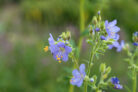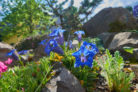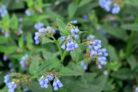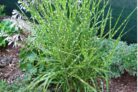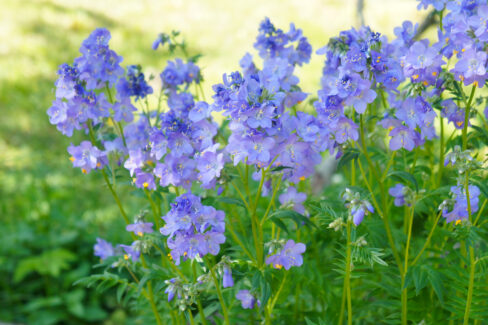
If you’re looking to bring a fresh, airy vibe to your early summer garden, look no further than Jacob’s Ladder. Also known as “Greek Valerian” or *Polemonium caeruleum*, this perennial is famous for its delicate, sky-blue flowers. It’s a real showstopper, but if you want those blooms to last for weeks, you’ve got to get the location just right.
Where It Grows in the Wild
To understand what makes Jacob’s Ladder happy, it helps to look at where it hangs out in nature. You’ll usually find it in damp meadows, floodplains, and along riverbanks, as well as in mountainous regions. Interestingly, it’s becoming increasingly rare in the wild in parts of Europe, so growing it in your own backyard is actually a great way to help preserve the species!
Sun and Light: Finding the Sweet Spot
Jacob’s Ladder is a bit of a light-seeker—it definitely needs a bright spot to thrive. How much direct sun it can handle really depends on how much you’re willing to water it. While it loves the sun, it can’t stand drying out. If you live somewhere with scorching summers, you’ll want to provide some shade during the heat of the afternoon.
If you’d rather keep things low-maintenance, planting it in light partial shade is a great compromise. You’ll still get plenty of flowers without having to hover over it with a watering can. And don’t worry about the cold—this plant is incredibly tough. It’s winter hardy down to -45°F! Just try to pick a spot that’s somewhat protected from harsh, drying winds.
The Perfect Soil for Your Garden Bed
When it comes to soil, think “rich and refreshing.” This plant is a fan of nutrients and moisture. You’re looking for soil that is humus-rich and consistently moist, but—and this is a big “but”—it must drain well. Jacob’s Ladder hates “wet feet” (standing water).
If your garden soil isn’t quite there yet, you can easily tweak it before planting. Mix some loam into sandy soils to help hold moisture, or add sand and coarse gravel to heavy, compacted clay to improve drainage.
Where to Plant Jacob’s Ladder
Because of its wild, natural look and sturdy stems, this perennial fits perfectly in several garden styles:
- Naturalistic or woodland gardens
- Classic perennial borders
- Cottage gardens
- The moist edges of a garden pond
Pro Tip:
Give these beauties some breathing room! To let each plant really shine, space them about 14-16 inches apart. If you want to try them in window boxes or containers, use a high-quality, compost-rich potting mix; in that case, you can tuck them in a bit closer, about 4 inches apart.