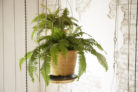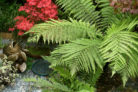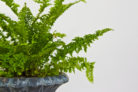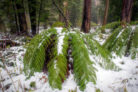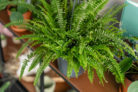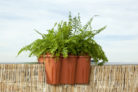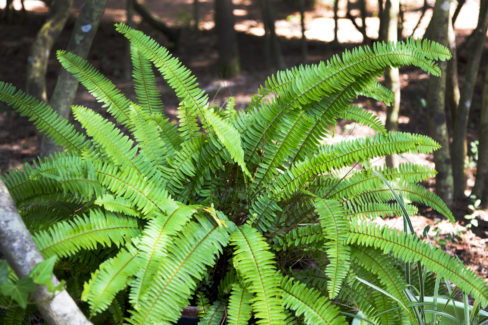
While most people love seeing ferns out in the wild, they can be a bit of a polarizing guest in the backyard. The main reason? These guys love to spread out and take over if you aren’t careful. But honestly, if you’re looking for a plant that’s both visually stunning and incredibly low-maintenance, ferns are hard to beat.
Finding the Perfect Spot: Shade is Your Friend
When it comes to planting ferns, it’s all about location, location, location. Most ferns thrive in partial shade. This gives them enough light to grow without getting scorched by the afternoon sun. Since ferns are big fans of moisture and hate drying out, a shady corner is almost always a better bet than a sunny patch.
Soil Prep: Keep it Loose and Rich
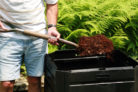
Ferns aren’t big fans of heavy, compacted clay. Before you get digging, make sure to loosen up the soil to give those roots some breathing room. It’s also a great idea to mix in some compost. This gives your ferns a nutrient boost right from the start, which means you won’t have to worry nearly as much about fertilizing them later on.
Getting Them in the Ground
The “how-to” of planting really depends on the variety you’ve picked out. If you have a creeping fern, you can plant it fairly shallow. However, if you’re working with a variety that grows in clumps (crowns), you’ll need to dig a slightly deeper hole to accommodate the root ball properly.
Choosing the Right Fern for Your Yard
There are about 17,000 fern species worldwide, but only a couple hundred are native to our neck of the woods. To ensure your garden thrives, it’s best to stick with varieties that feel at home in your climate. Here are a few great options:
- Male Fern (a classic, hardy choice)
- Marsh Fern (perfect for those soggy spots near a pond)
- Water Clover
- Rustyback Fern (great for adding greenery to stone walls)
- Deer Fern (thrives in acidic soil)
- Wall-rue (makes for an excellent groundcover)
- Ostrich Fern
- Royal Fern (can grow up to 5 feet tall!)