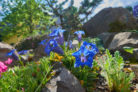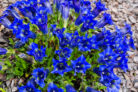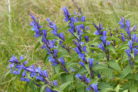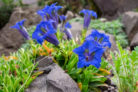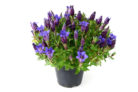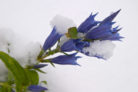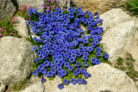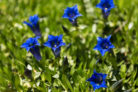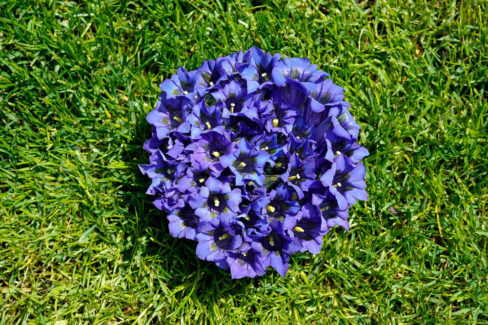
If you’re looking for a real showstopper for your flower beds, look no further than the stunning Gentian. These alpine beauties are famous for their brilliant, trumpet-shaped blooms in shades of electric blue, crisp white, deep red, or even sunny yellow. The best part? If you mix and match the right varieties, you can have these gorgeous pops of color in your garden from early spring all the way through late autumn.
Growing Gentian in Your Garden
Before you start digging, you’ll want to find the perfect home for your Gentian. While they are generally low-maintenance once established, they can be a bit picky about their living conditions. The ideal spot for Gentian is usually a rock garden, but you can make them happy in other areas if you prep the soil right. For example, Clusius Gentian loves lime-rich soil, while Stemless Gentian (Koch’s Gentian) prefers things a bit more acidic. Regardless of the variety, here are the golden rules:
- Pick a spot with full sun to partial shade.
- Avoid intense, scorching midday sun.
- Keep them in a cool, breezy spot—they don’t like to overheat!
- Choose a location protected from harsh winds.
- Use loose, nutrient-rich soil.
- Ensure excellent drainage (this is a big one!).
- Avoid “wet feet” (standing water).
- Depending on the variety, mix in some compost or lime before planting.
When to Plant
Generally speaking, spring is the prime time to transplant nursery-grown Gentians into your garden. If you’re feeling adventurous and want to grow them from scratch, you’ll want to sow the seeds in the fall. These plants are “cold germinators,” meaning the seeds actually need a period of winter chill to wake up and start growing.
Care and Maintenance
Once your Gentian has settled in, it doesn’t ask for much. The main thing is to keep the soil consistently moist—you never want those roots to completely dry out. If you’re dealing with a dry spell (even in the winter!), give them a light watering. Just be careful not to overdo it; they hate sitting in soggy soil. Pro tip: Toss some broken pottery shards or gravel into the bottom of the planting hole to help with drainage.
Gentians are hardy perennials, but they still appreciate a little “blanket” during the coldest months. Covering them with some brushwood, evergreen boughs, or garden fleece works wonders. If you’re growing Gentian in pots, they’ll need a bit more TLC in the winter. Try placing the pot on a wooden board or a piece of Styrofoam to insulate it from the frozen ground, wrap the pot in fleece, and cover the plant with brushwood. Move the pot to a sheltered corner and give it a tiny bit of water on days when the ground isn’t frozen.
For potted Gentians, I recommend repotting them with fresh soil every spring. This actually saves you the hassle of fertilizing, as fresh potting mix usually has enough nutrients to keep the plant happy for the whole year. Plus, it’s the perfect time to upgrade them to a larger pot if they’ve outgrown their old home!