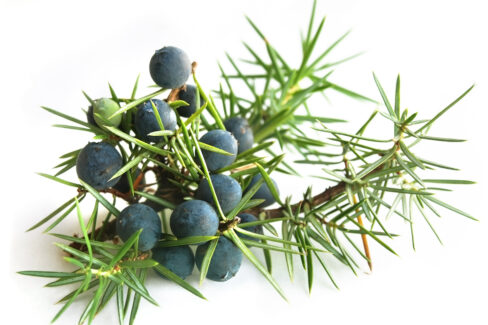
Want to grow more juniper in your yard without spending a fortune at the nursery? You’re in luck! You can actually propagate juniper right at home. While there are a few ways to go about it, using cuttings is by far the most popular and reliable method. Here’s the lowdown on how to get those new plants started.
Different Ways to Propagate
There are a few different ways to tackle juniper propagation. While cuttings are the gold standard for success, you could also try:
- Starting from seeds
- Layering (rooting a branch while it’s still attached to the parent plant)
Propagating via Cuttings
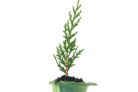
Growing juniper from cuttings is the way to go if you want the best results. It’s super straightforward, and you don’t need a degree in botany to pull it off. Just grab a sharp pair of garden shears or loppers and snip off some shoots about 6 inches long. Since not every single cutting is guaranteed to take root, I always recommend cutting a few more than you think you’ll need—better safe than sorry! Look for “semi-ripe” wood, which means growth from about a year ago that hasn’t turned completely woody yet.
- Strip off all the needles from the bottom half of the shoot. If you leave them on, they’ll just rot or get moldy once they hit the soil.
- Gently wound the bottom two-thirds of the cutting by making a small nick and peeling back a bit of the bark. This helps the cutting soak up water more efficiently.
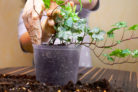
- Stick the cutting into a starter pot filled with a sandy, well-draining potting mix.
- Alternatively, you can try rooting your juniper cuttings in a glass of water, though soil is usually more reliable.
- Keep your cuttings in a bright, warm spot (around 70°F is the sweet spot).
- Be patient! Junipers aren’t exactly speed demons when it comes to rooting. It might take a while before you see new growth. Once they’ve established a solid root system and look like sturdy little plants, you’re ready to plant them out in the garden or move them to a larger permanent pot.
Two Pro Tips
If you’re already planning on pruning or shaping your juniper, that’s the perfect time to propagate. You’ll have plenty of trimmings anyway, so instead of tossing them in the green bin, pick out the best pieces and turn them into new plants!
One last thing: always wear a good pair of gardening gloves when working with juniper. Those needles are famously sharp and prickly, and your hands will definitely thank you later.