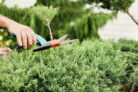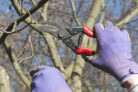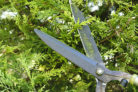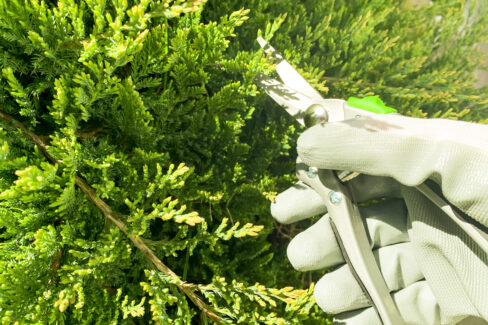
Generally speaking, juniper trees and shrubs are pretty slow growers. Because they take their time, you don’t necessarily *have* to prune them all the time. However, a little trim now and then can go a long way in keeping your plants looking lush, dense, and perfectly shaped.
Why you might want to prune your juniper
Since junipers aren’t exactly speed demons when it comes to growth, you won’t need to be out there with shears every weekend. But there are a few scenarios where a haircut is actually a great idea (or even a necessity):
- Keeping a hedge looking tidy,
- Shaping a standalone “specimen” plant,
- Styling a bonsai,
- Saving a sick plant with a heavy cut-back, or
- Snagging some cuttings to grow new baby junipers.
Timing is everything
When it comes to pruning, timing is key. In many areas, you’ll want to avoid any major pruning between March 1st and September 30th. This isn’t just for the plant’s health—it’s to protect nesting birds who might be calling your juniper home. You definitely don’t want to disturb a family of feathered friends! That said, if you’re just doing a very light “touch-up” to keep the shape, you can usually do that anytime during the growing season.
Keeping your hedges in tip-top shape
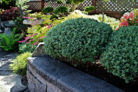
When you’re working with juniper hedges or shrubs, the “trapezoid” trick is your best friend. You want the bottom of the hedge to be slightly wider than the top. Why? So the lower branches don’t get stuck in the shade! This keeps the bottom from getting “leggy” or bare. To get those perfectly straight lines, try stretching a piece of string as a guide and trim back anything poking past it. Just be careful not to cut too deep—you want to trim the outer growth, not leave a “bald spot” in the middle of your hedge.
Getting creative with specimen plants
If you have a standalone juniper, you can really let your inner artist out with some topiary styling. You can find templates at garden centers to help you shape your juniper into globes, spirals, or even animals. If you’re feeling crafty, you can even make your own frames out of wire. The best part? Because junipers grow so slowly, your masterpiece will hold its shape for a long time.
Styling your juniper bonsai
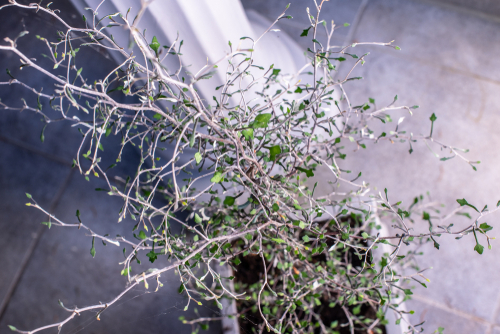
Juniper bonsais are classics for a reason—they’re hardy and pretty forgiving if you make a small mistake with the shears. The secret to a great bonsai is “little and often.” It’s much better to do frequent light trims than one massive chop. Make sure to keep an eye out for any dead or bare twigs and clear them out to keep the plant healthy and looking its best.
When to go for a radical cut
Sometimes, you have to be a bit more aggressive. If your plant is dealing with a serious fungal infection, a radical pruning might be the only way to save it. By cutting back the infected branches and foliage, you stop the fungus from spreading to the rest of the plant (or your other garden favorites).
Propagating new plants
Pruning isn’t just about maintenance; it’s also the perfect time to start some cuttings for propagation. If you’re already giving your juniper a trim, don’t toss those clippings! Those healthy tips can be turned into brand-new plants to fill out your garden or share with neighbors.