Propagating oleander is a fun way to expand your garden, and while there are a few ways to do it, using cuttings is by far the most popular and reliable method. I’m going to walk you through exactly how to do it so you can grow your own beautiful blooms.
Different Ways to Propagate Oleander
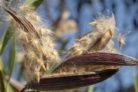
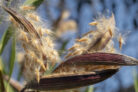
If you want to propagate oleander at home, you’ve got options. While cuttings are the go-to for most gardeners, you can also try:
How to Take the Perfect Cuttings
The easiest way to get your cuttings is to save them when you’re already pruning your oleander. Timing is everything: spring is ideal (before the flower buds start to show), but the warm summer months work great, too.
Choosing the Right Shoots
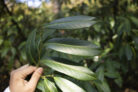
Technically, you can use any branch, but younger shoots tend to sprout roots much faster. Look for fresh, green stems that haven’t turned woody yet. Aim for a length of about 6 to 8 inches. Cut the stem at a slight angle to help it soak up water better. Finally, strip off the lower leaves, leaving just the top pair.
Getting Those Roots to Grow
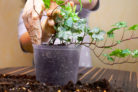
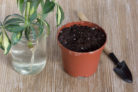
You have two easy options here. You can simply pop your cuttings into a glass of lukewarm water—just make sure to refresh the water every single day. Alternatively, you can plant them directly into small pots filled with a high-quality seed-starting mix. Either way, keep them in a bright, warm spot. Just a heads-up: avoid harsh, direct sunlight. You don’t want to “cook” your cuttings behind a hot, reflective windowpane!
In just a few weeks, you should see the first roots appearing. Once they’ve developed a solid root system and a few new leaves, you can move your baby oleanders into their own permanent pots. Keep them warm, give them plenty of light, and make sure the soil stays nice and moist.
Troubleshooting: Why Aren’t They Rooting?
If it’s been a few weeks and you don’t see any progress, don’t panic. Sometimes a specific cutting just doesn’t take—nature isn’t 100% guaranteed! However, if you’re using the water method, the issue might be the glass itself. Roots actually prefer the dark. Try wrapping some aluminum foil around the glass to block out the light. With a little luck, you’ll see roots popping out shortly after.
A Quick Safety Note: Oleander is Toxic
Before you start, remember that every part of the oleander plant is poisonous. The sap that leaks out when you take cuttings can cause serious skin irritation or worse. Always play it safe: wear gloves and long sleeves to protect your skin while you work.