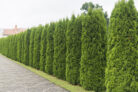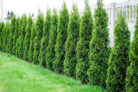
Removing a Thuja hedge is, honestly, a total workout. It takes a lot of muscle and even more patience. You might be tempted to look for a shortcut by trying to “poison” your Arborvitae to save yourself the trouble, but let me stop you right there—it’s really not a good move. Here’s the lowdown on why that’s a bad idea and what you should do instead.
What actually hurts an Arborvitae?
Thujas are popular for a reason: they’re tough, frost-resistant, and usually stay clear of diseases and pests. That’s why so many of us plant them for privacy. However, they do have some Achilles’ heels. These things can seriously damage or kill them:
- Standing water (root rot)
- Vinegar
- Road salt
- Saltwater
- Excessive lime
- Herbicides (weed killers)
Can you remove a Thuja by poisoning it?
While some of the things listed above will definitely cause your Arborvitae to die, using them as a removal strategy is a big no-no. When you dump harsh substances into the ground, you aren’t just hitting the hedge—you’re hurting the entire ecosystem in your yard. This includes:
- Soil health and quality
- Your neighboring plants
- Local insect populations
- Small wildlife and birds
In the worst-case scenario, using heavy chemicals can make your soil so toxic that you won’t be able to plant anything new for months. And if you’re into growing your own organic fruits or veggies? Forget about it—that soil will be off-limits for a long time.
Let the Thuja roots rot naturally
Instead of reaching for the “chemical hammer,” there’s a much gentler way. You can simply cut the hedge down to the ground and let the roots rot naturally in the soil. Over time, the ground will settle a bit as the wood breaks down. If you cover the remaining root area with plenty of fresh soil, you can even sow grass seed right over the top from day one.
Digging out the hedge and roots
If you have big plans to put new plants in that exact spot right away, you’ll need to get those roots out. It’s definitely more work, but it’s the safest bet for the health of your garden. The trick is to saw the Thuja down but leave a long enough stump to use as leverage. Dig around the root ball and pull it out—a winch can be a lifesaver here if the trees are large. And hey, if that sounds like too much sweat, you can always hire a pro to handle the removal costs for you.