Even the most beautiful plant can overstay its welcome, and let’s be honest—the charm fades pretty fast when those vines start burying everything in sight. If you’re tired of fighting a losing battle against English ivy, it might be time to get rid of it for good. But fair warning: it’s a real challenge!
How ivy spreads as a weed
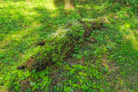
About two years after planting, ivy really hits its stride and starts growing at a crazy pace—especially if you’ve been fertilizing the area. It sends out long runners that either creep across the ground or hitch a ride up any climbing support they can find. As it grows, the vines develop aerial roots to anchor themselves. If these touch fertile soil, they’ll take root and start brand new offshoots. Plus, the main root system spreads out underground, popping up in new spots when you least expect it.
After about ten years, ivy reaches its “adult phase” (arborescent form). This is when it starts blooming, followed by berries in the spring. Those berries contain seeds, allowing the ivy to reproduce and spread even further. This sheer determination to multiply is exactly why it’s so hard to get rid of.
A quick heads-up:
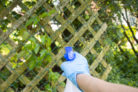
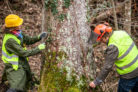
Ivy is definitely not edible! In fact, every part of the plant is highly toxic, especially the berries. When you’re clearing it out, make sure to wear long sleeves, gloves, safety glasses, and a mask to stay safe.
Removing ivy from your garden beds
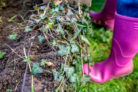
If you want to get rid of ivy once and for all, you have to be meticulous. You need to clear every single scrap of it from the soil. Here’s your game plan:
- Wait for a rainy day so the soil and vines are softer.
- Alternatively, soak the area well with a garden hose.
- Rip out all the surface vines.
- Pull the roots out of the ground.
- Dig up the soil and sift through it.
- Collect every little root fragment you find.
- Dispose of the ivy securely.
- Whatever you do, don’t put it in your compost pile!
Removing ivy from house walls
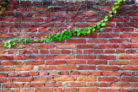
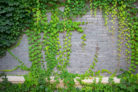
If your ivy is climbing a brick wall or the side of your house, don’t just yank it off, or you might damage your masonry. You’ve got to be a bit more strategic:
- Cut the vines just above the ground.
- Carefully pull the vines off the wall, working from the top down.
- Use a spade to dig out the main roots.
- Use a wire brush to scrub away any leftover root “feet” from the wall.
- Bag up and dispose of the debris immediately.
Herbicides and remedies
Because manual removal is such a workout, it’s tempting to look for a “magic” ivy killer. While there are products on the market, they aren’t always safe, and they rarely kill the plant entirely. I’d especially recommend being cautious with Roundup. Its active ingredients, like glyphosate, are controversial. Plus, these chemicals often only kill the leaves; after a while, the ivy just sprouts right back from the roots.