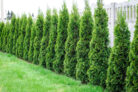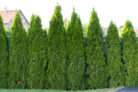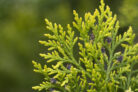
The soil you choose is the foundation for a happy, healthy Thuja (Arborvitae). Even though these evergreens are pretty low-maintenance, they’ll definitely thank you if you start them off in the right substrate. Let’s dive into what makes the perfect “home” for your new hedge.
What kind of soil does a Thuja actually need?
The great news is that Thujas can handle almost any soil type, provided the location isn’t extreme—meaning not a total sand pit and not a heavy clay bog. For lush, green growth, you’re looking for soil that is:
- Well-draining
- Consistently moist
- Not too acidic
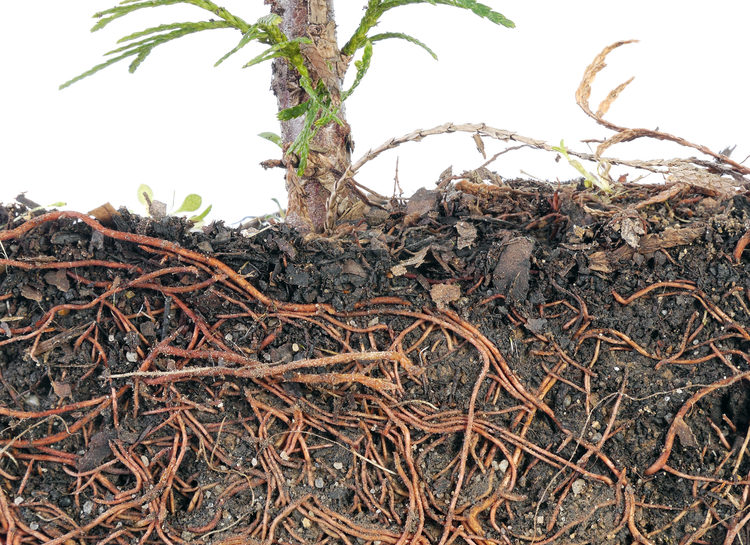
- Rich in organic matter (humus)
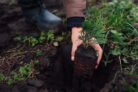
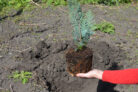
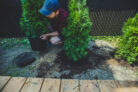
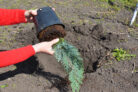
When you’re planting your hedge, you can set yourself up for success by prepping the ground ahead of time. Give the soil a good loosening and clear out any weeds, old roots, or large rocks. If you mix in some organic fertilizer right at the start, your Arborvitae will have all the nutrients it needs for its first year. Great options include:
- Well-aged compost
- Decomposed manure
- Horn shavings or meal
How to fix “problem” soil
If your soil is too sandy, it won’t hold onto water or nutrients. You can beef it up by mixing in a generous amount of mature compost or aged manure. Adding some bentonite powder or water-retaining granules can also work wonders. Topping it all off with a layer of mulch will help keep that moisture where it belongs—near the roots.
On the flip side, heavy clay soil is prone to waterlogging. This is a big “no-no” for Thujas because it leads to root rot, which can quickly kill off a beautiful hedge. To fix this, mix in some coarse sand or fine gravel to improve drainage and let the roots breathe.
Tips for fertilizing your Arborvitae
If you prepped the soil well during planting, you won’t need to add any extra nutrients during the first year. Thujas are actually quite sensitive to over-fertilizing. In the following years, try to stick to organic options. Mineral fertilizers can be too harsh and often lead to brown tips on the foliage. And a quick pro-tip: while you might hear people talk about Epsom salts, you should only use them if you’ve confirmed a magnesium deficiency in your soil!