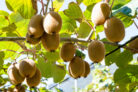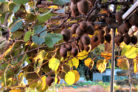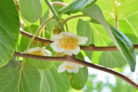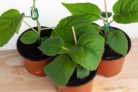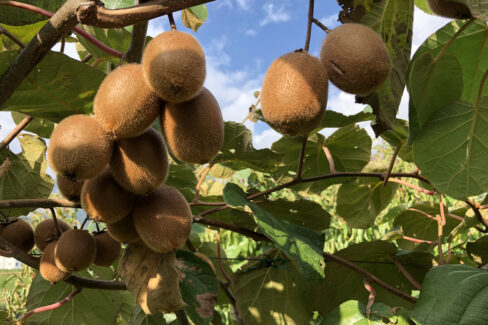
Kiwis are some of the most enthusiastic climbers in the fruit world. Because they’re such vigorous growers, they need a little extra support to develop a strong, sturdy structure. Giving them the right foundation is the secret to getting a reliable, heavy harvest of those delicious fuzzy fruits year after year.
Understanding How Kiwis Grow
Originally hailing from East Asia, these woody vines naturally love to scramble up tree trunks, winding their shoots upward as they go. They aren’t shy about it, either—a kiwi vine can put on several feet of growth in a single season! Larger varieties, like the popular “Hayward” kiwi you usually see in grocery stores, can easily reach heights of 30 feet if left to their own devices.
Supporting Your Kiwi’s Growth
With just a few simple steps, you can keep up with your kiwi’s fast-paced lifestyle while keeping the plant healthy and vibrant.
Setting Up Climbing Supports
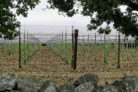
Even in our climate, kiwi vines can get quite large. To keep them happy, you’ll need a sturdy trellis or support system. This gives the twining shoots something to grab onto and prevents them from getting damaged. Plus, a kiwi vine draped over a support isn’t just functional—it makes for a gorgeous garden focal point and can even double as a natural “living curtain” for shade.
Great options for supports include:
- Heavy-duty cable systems
- Trellises
- Pergolas or arbors
- Tall, sturdy fences
- DIY T-posts with high-tensile wire
Finding the Perfect Spot
For your kiwi to really thrive, it needs more than just a place to climb; it needs the right location. These exotic beauties love a sunny, sheltered spot away from harsh winds. They’re happiest in nutrient-rich, loamy soil that’s slightly on the acidic side.
Pro Tip: Kiwis absolutely love being planted against a tall, southwest-facing wall or on the west side of a house, where they can soak up plenty of warmth.
Maintenance Through Pruning
Don’t be afraid to prune your kiwis regularly! It’s one of the best things you can do for them. Regular trimming encourages balanced growth and, more importantly, a much better harvest. By clearing out old or diseased wood, you’re ensuring your vines stay strong and healthy for the long haul.
You’ll want to tackle this in two phases:
- Summer Pruning (June to August): This thins out the canopy so more sunlight can reach the ripening fruit.
- Winter Pruning (February to March): This helps strengthen the young fruiting wood for the upcoming season.