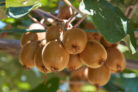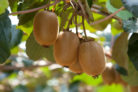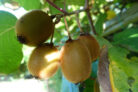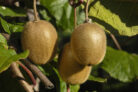
Believe it or not, the kiwi actually got its start in China! With its subtropical climate—think mild winters and sweltering summers—the region offers the perfect “home sweet home” vibes for this fuzzy green fruit to thrive.
The Kiwi’s Original Home
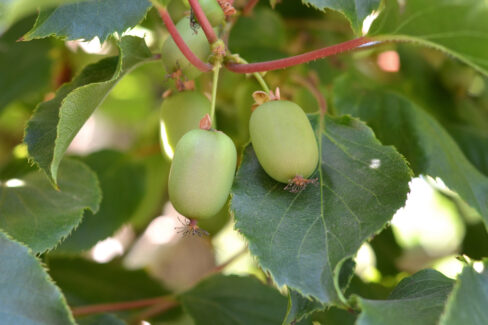
The kiwi is native to Northeast China, specifically the lush, fertile areas surrounding the Yangtze River. In the wild, you’ll find it growing as a vigorous, woody vine or a climbing shrub snaking through the forests. While there are quite a few varieties out there, the “Hayward” kiwi is the superstar of the region. In fact, it’s currently the most popular kiwi variety sold across the globe.
Climate and Soil: What Makes Kiwis Happy?
Like much of Asia, China’s climate is largely subtropical. The eastern and northeastern parts of the country—the kiwi’s old stomping grounds—enjoy very mild, dry winters. Since these exotic plants aren’t used to heavy frost or snow, they definitely prefer a cozy environment. That’s exactly why most kiwi varieties grown in cooler climates do best in the warmest spots of your garden.
The Yangtze River region is also known for its loose, nutrient-dense soil that’s packed with organic matter. This is the secret sauce for getting those beautiful, full blooms year after year. If you’re planting them at home, try to mimic these conditions: use rich soil with an acidic pH (ideally between 4.5 and 5) to keep your plants happy.
How the “Kiwi” Got Its Name
Around 1900, a teacher traveling through China brought the very first seeds back to New Zealand. Back then, everyone called it the “Chinese Gooseberry.” It didn’t take long for this climbing vine to become a backyard favorite in New Zealand. By the 1960s, New Zealanders began producing them on a massive scale and marketing them worldwide.
During this global glow-up, the fruit got a rebrand. Locals named it after New Zealand’s national bird, the kiwi. Why? Because the bird is small, round, and covered in brown, fuzzy feathers that look remarkably like the skin of the fruit!
One last pro-tip: Since kiwis evolved in tropical summers with plenty of rainfall, they are total water-lovers. If you’re growing this exotic beauty in your own garden, make sure to keep it well-hydrated!