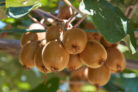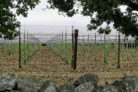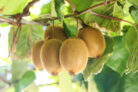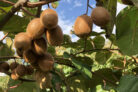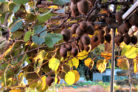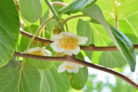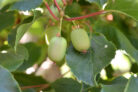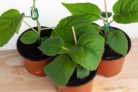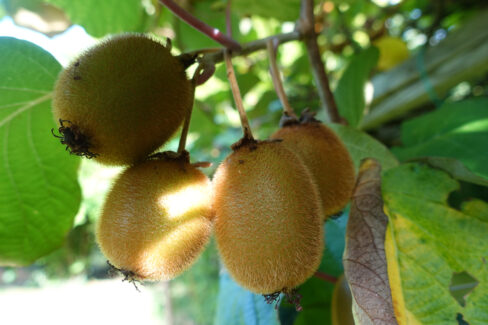
Kiwis have officially made themselves at home in our backyards and on our balconies! These low-maintenance exotic beauties are a huge hit, mostly because they serve up those delicious, vitamin-packed fruits right outside your door. If you’re looking to grow your own, here’s the lowdown on how to help your kiwi vine thrive.
Choosing the Right Kiwi for Your Climate
Originally from Asia, kiwis generally love mild winters, frost-free springs, and hot summers. Now, depending on where you live in the States, you might not always have those “perfect” conditions. If you’re in a warmer region or a wine-growing area, you’re golden.
But don’t worry if you live somewhere with a bit more bite in the air! You can still grow kiwis by choosing varieties that are specifically bred to handle the cold. When you’re shopping for your plant, just make sure to pick a frost-hardy variety that matches your local climate zone.
Frost-Hardy Kiwi Varieties
If you’re dreaming of those big, fuzzy kiwis you see at the grocery store (botanically known as *Actinidia deliciosa*), varieties like Hayward, Starella, and Matua do great in milder regions.
However, if you live in a place where the thermometer really drops, you should look into “Mini Kiwis” (or *Actinidia arguta*). Varieties like Weiki, Red Sun, or Nostino are incredibly winter-hardy and can handle temperatures as low as -22°F (-30°C) without breaking a sweat. These little guys have smooth skin, and you can even harvest them after the first frost without worrying about the fruit getting damaged.
Tips for Planting and Care
Once you’ve picked out your kiwi vines, the best time to get them in the ground is early summer (late May to early June). This gives the plants plenty of time to get their roots established before winter rolls around.
Pro tip: Keep in mind that most kiwis aren’t solo acts! You’ll usually need to plant at least one male vine for every few female vines to ensure you actually get fruit.
If you decide to plant in the fall, you’ll need to be a bit more careful. It’s often better to let your exotic newcomer spend its first winter in a container in a frost-free spot. If they are already in the ground, make sure to give them a cozy “blanket” of mulch, brushwood, or leaves to protect the roots from freezing.
Extra Tip: Kiwis love a warm, sunny spot that’s protected from harsh winds. A south- or southwest-facing wall with a pergola or trellis is the perfect setup for them to climb and soak up the sun!