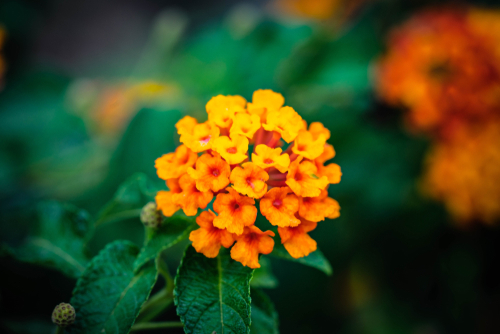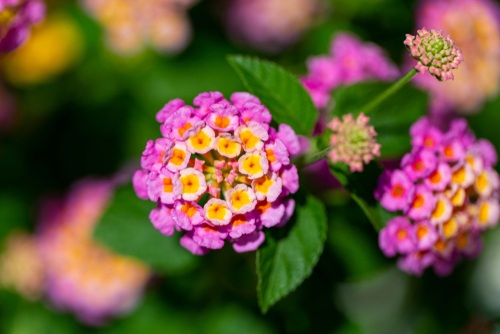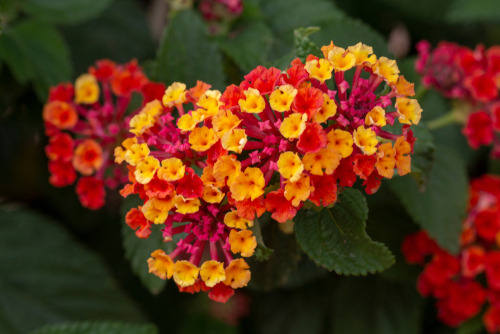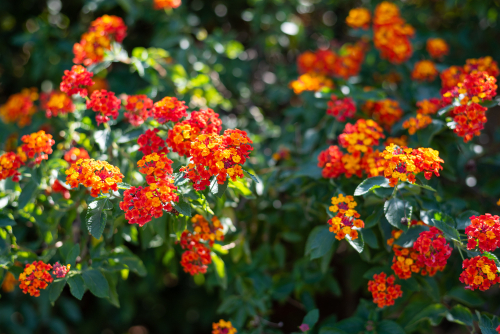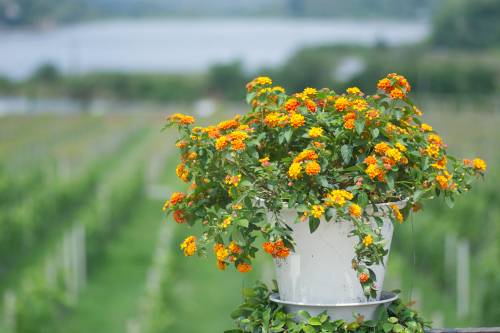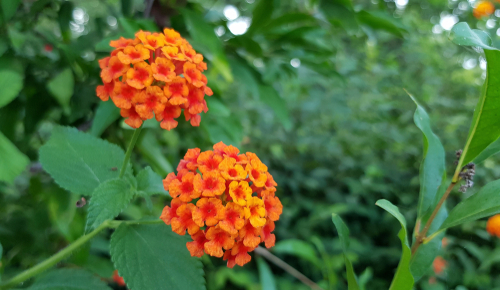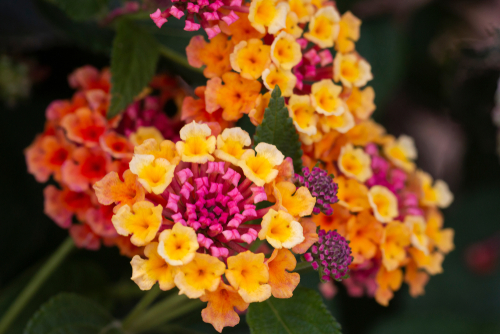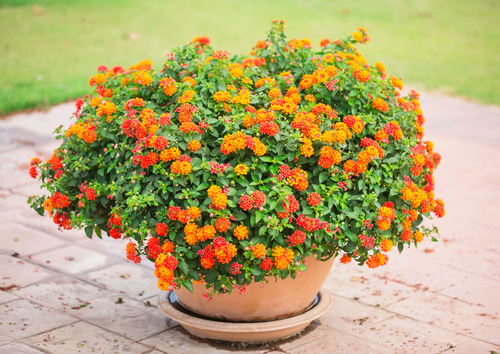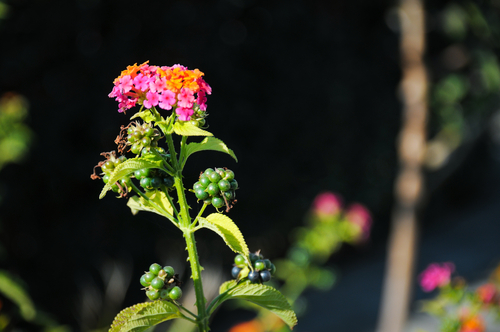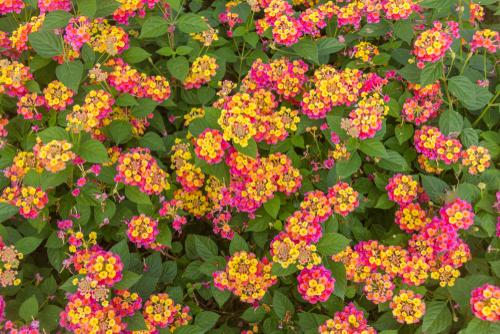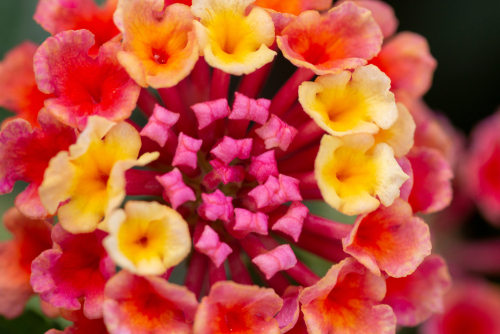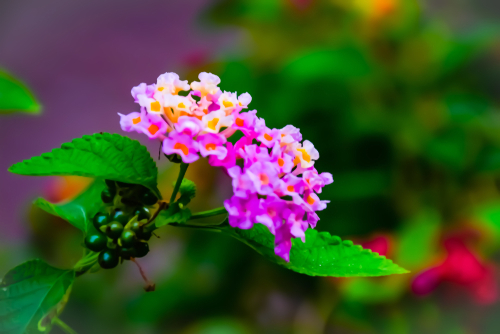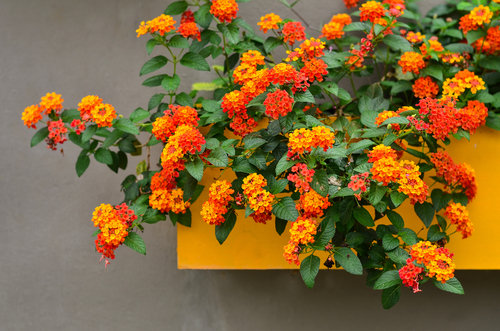
Lantanas are beautiful tropical plants native to Central America, which means they aren’t exactly fans of the cold. Since they can’t handle a frosty winter outdoors, most gardeners here in the States grow them in containers. This makes them a perfect choice not just for your patio, but for your balcony too!
Pick a Sunny Spot
If you want your Lantana to thrive on your balcony, sun is the name of the game. Ideally, you’ll want to find the sunniest spot possible—a south-facing balcony is usually your best bet. While Lantanas can survive in partial shade, they won’t produce nearly as many flowers. And if you put them in full shade? You’ll likely end up with no blooms at all.
Choosing the Right Soil
Beyond soaking up the sun, Lantanas are pretty hungry plants that need plenty of nutrients. That’s why picking the right potting mix is so important when planting them in balcony containers. You want a substrate that is rich in nutrients but also drains well. High-quality potting soil or specific mixes for flowering plants work great. You can even use garden soil if you enrich it with some mature compost first. To keep things airy and prevent soggy roots, try mixing in some sand, coconut coir, or even a bit of cactus mix for better drainage.
Watering and Fertilizing
To keep your balcony Lantana looking its best, a little routine care goes a long way. Before the blooming season starts, give them a boost with liquid fertilizer in their water about once every four weeks. Once those first buds start to appear, you’ll want to step it up to every two weeks. Also, keep an eye on the moisture levels—Lantanas don’t like to dry out completely. As soon as the top layer of soil feels dry to the touch, it’s time for a drink.
To recap, here’s what your balcony Lantana needs to stay happy:
- As much sun as you can give it
- Well-draining, nutrient-rich soil
- Consistent watering and regular fertilizing