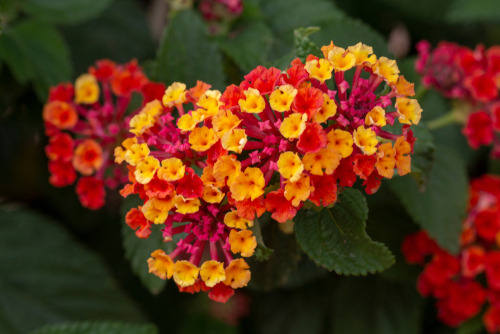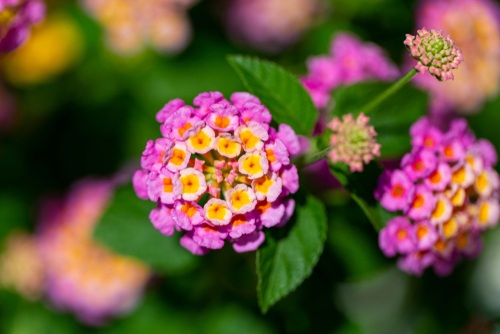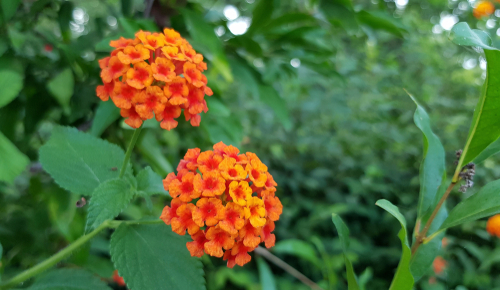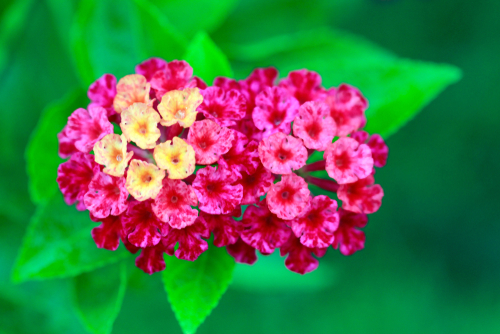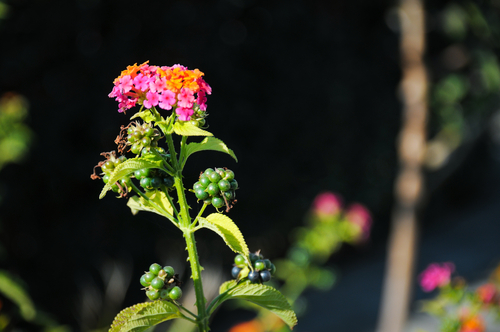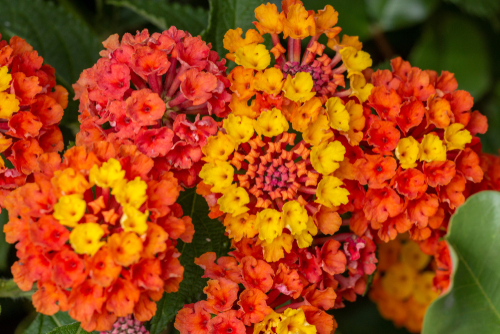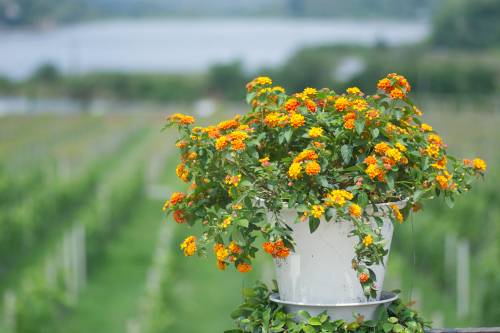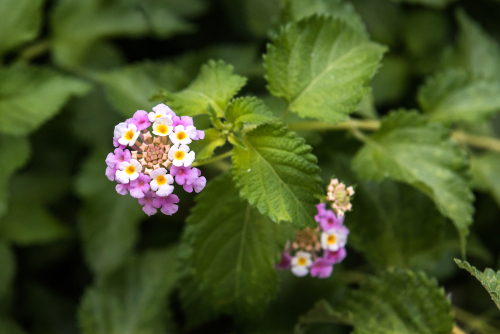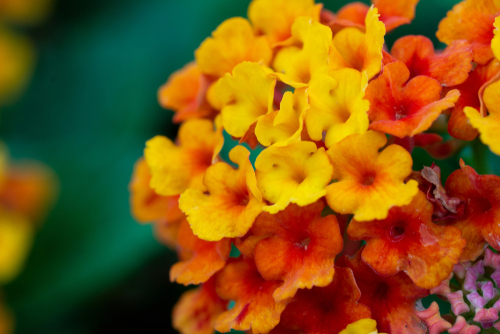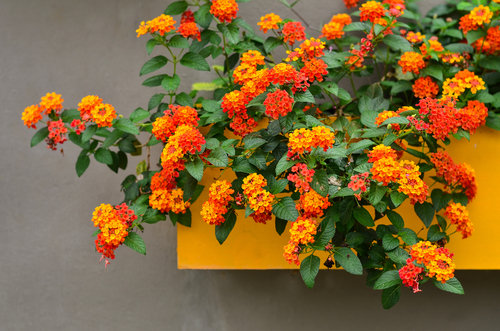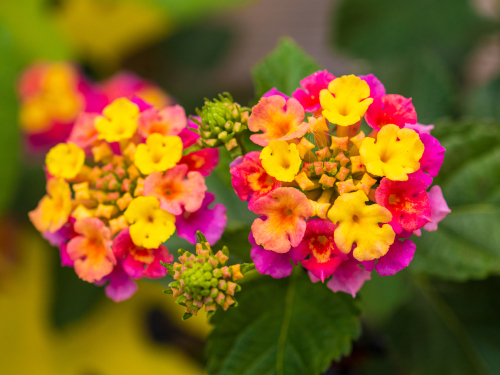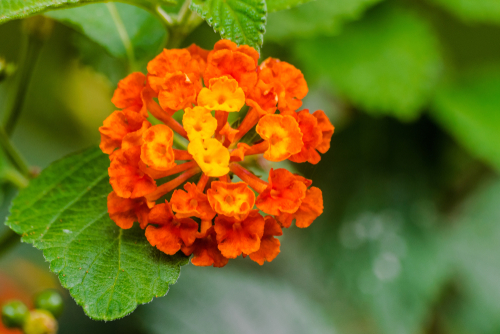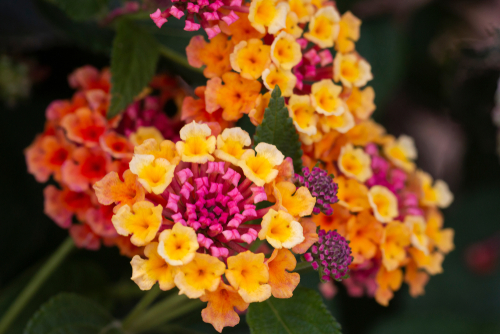
Lantanas are a total favorite for home gardeners, and it’s easy to see why! These beauties are famous for their “color-changing” clusters that shift shades as they bloom. But if you want your shrubs to be absolutely covered in flowers all season long, you’ve got to give them a little TLC. Here’s how to keep your Lantana happy and thriving.
Finding the Perfect Spot
Good Lantana care starts with real estate. These plants are sun-worshippers! Ideally, you want to place them somewhere they can soak up full sun all day long. If your balcony or patio is a bit shadier, don’t worry—they can handle partial shade as long as they get at least four hours of direct sunlight daily.
Watering Habits
Getting the water balance right is key. To produce those gorgeous blooms, Lantanas need consistently moist soil. However, they have a major “ick” when it comes to soggy feet—standing water is a big no-no and can lead to diseases like root rot. The golden rule? Wait until the top layer of soil feels dry to the touch, then give it a good soak.
Feeding Your Plants
Lantanas are “hungry” plants, especially during the growing season. To keep up with their high nutrient demands, you should either mix fresh compost into the soil regularly or use a liquid fertilizer every two weeks. A standard flowering plant fertilizer works great—just follow the dosage on the bottle. Once the plant goes into its winter dormant phase, you can scale back feeding to just once a month.
A Quick Safety Note on Pruning
Before you grab your shears, keep in mind that Lantanas are actually toxic. They contain lantadenes and other toxins in every part of the plant, from the leaves to the stems. To play it safe and avoid skin irritation, always pop on a pair of gardening gloves before you start trimming.
How to Prune Like a Pro
There are a few different reasons you might need to give your Lantana a haircut:
- If you’re trying to train your plant into a standard (tree-form), you’ll need to regularly snip off those side shoots.
- You’ll also need to clip fresh green shoots if you’re planning to propagate new plants from cuttings.
- During the blooming season, “deadheading” (removing wilted flowers) is essential to encourage the plant to keep pumping out new blossoms.
- Finally, a good maintenance prune after winter is a must, since Lantanas only grow flowers on brand-new wood.