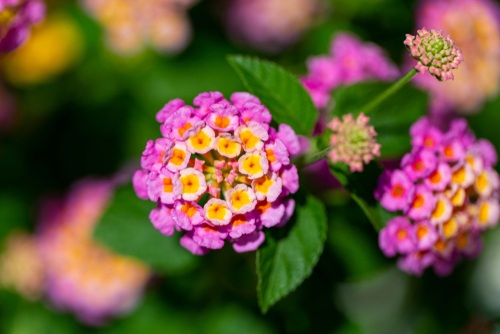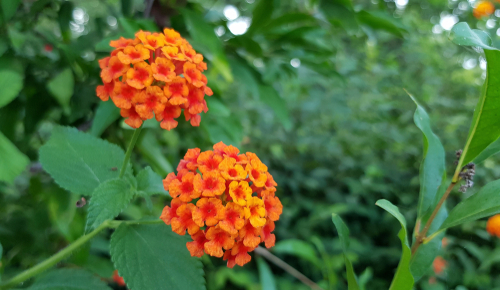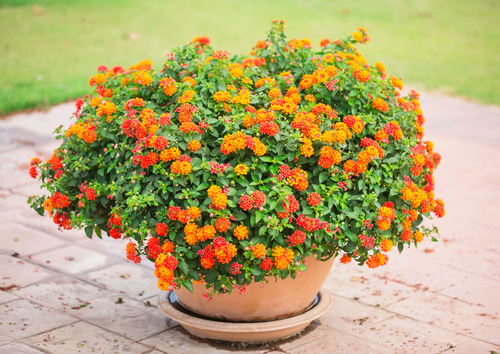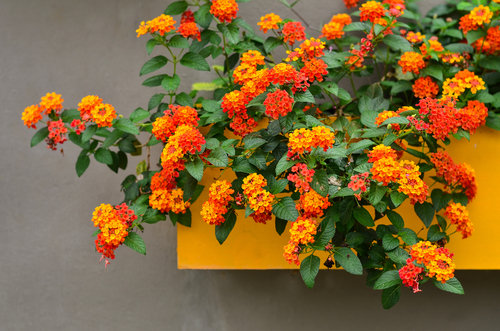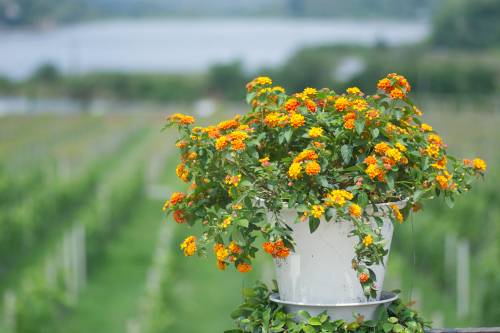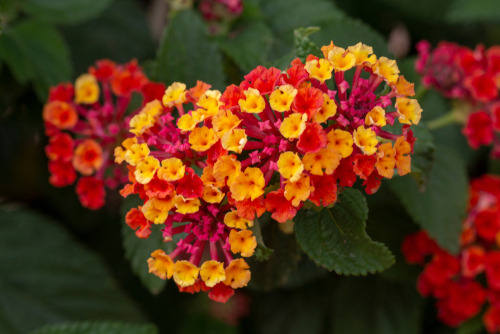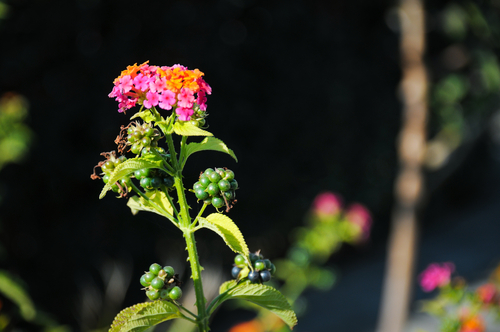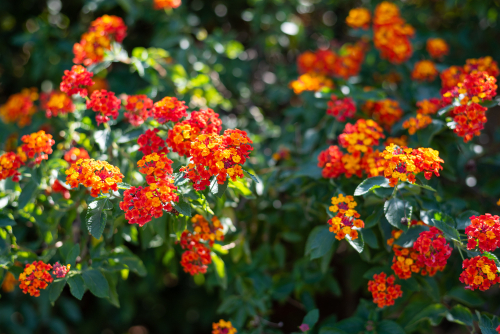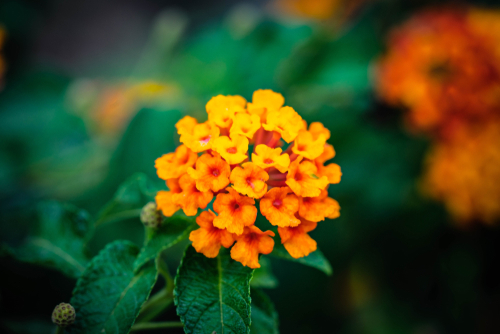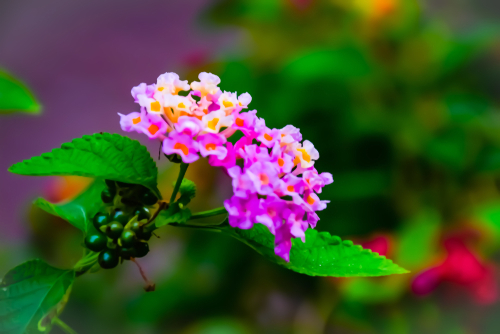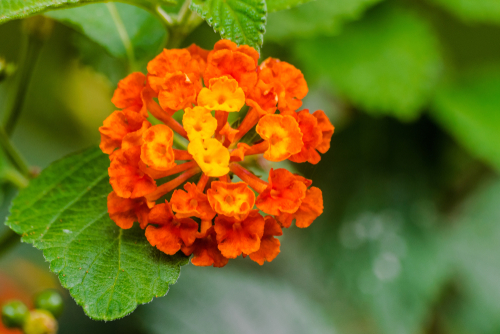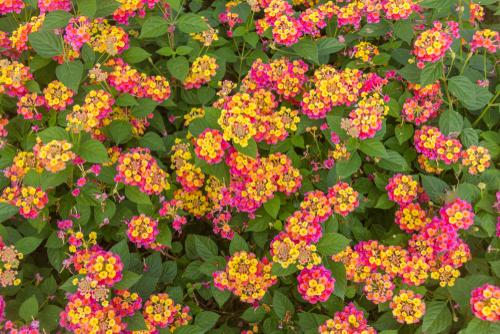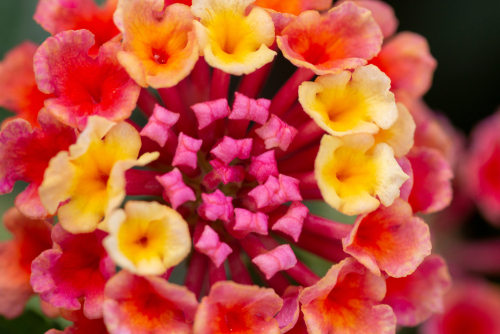
Hailing from the tropical regions of Central America, the Lantana is a total sun-lover that absolutely hates the frost. Other than its sensitivity to the cold, it’s actually a pretty tough cookie and rarely deals with pests or diseases. That said, even the hardiest plants run into trouble sometimes. If your Lantana starts looking a little under the weather, you’ll want to act fast. Here’s what to look out for.
Avoiding Root Rot
One of the most common issues I see with Lantanas is root rot. This usually happens when we get a little too enthusiastic with the watering can. Lantanas really can’t stand “wet feet” (standing water). To keep yours happy, only water when the top inch or two of soil feels dry to the touch. It’s also a great idea to add a layer of clay pebbles at the bottom of your pot for drainage and mix a little sand into your potting soil to keep things airy.
How to Fix Root Rot
If you suspect your plant is already suffering from rot, don’t panic! Here’s your rescue plan:
- Gently pull the plant out of its pot.
- Carefully trim away any mushy or blackened roots.
- Repot the Lantana in fresh, well-draining soil.
Powdery Mildew vs. Downy Mildew
Mildew is another culprit that occasionally pops up. If you see a white, flour-like coating on the tops of the leaves, you’re dealing with Powdery Mildew. If you notice oily-looking spots on top and a fuzzy fungal growth on the *underside* of the leaves, that’s Downy Mildew. Here’s how to handle it:
- For a mild case, a quick spray with horsetail tea (a classic organic remedy) often does the trick.
- You can also use a mixture of milk or whey and water. The cool thing about milk is that it actually helps the plant build up a natural resistance to the fungus!
- If the infection is really taking over, you might need to grab a specialized fungicide from your local garden center.
Sooty Mold
If aphids have decided to snack on your Lantana, they leave behind a sticky substance called honeydew. A brownish-black fungus known as Sooty Mold loves to grow right on top of that sticky mess. If you see it, here’s what to do:
- Grab a soft cloth soaked in a mild soapy water solution.
- Gently wipe the mold off the leaves.
- Make sure to treat the aphid problem right away to stop the mold from coming back!