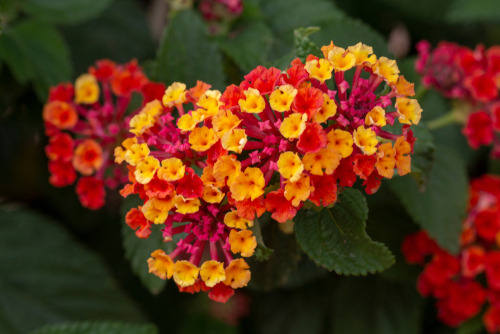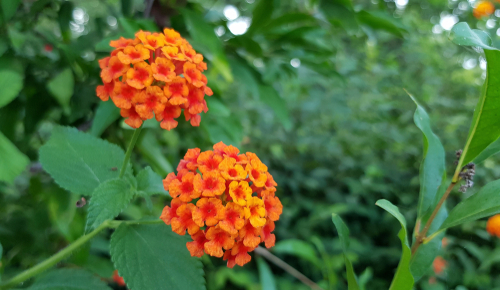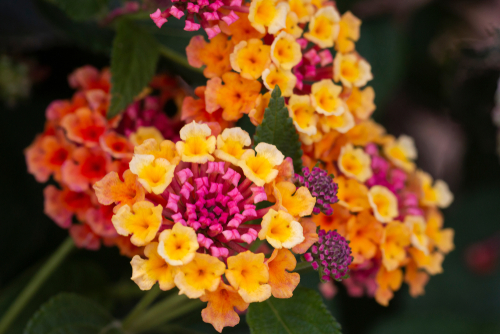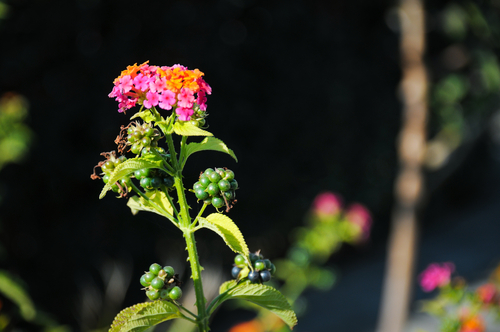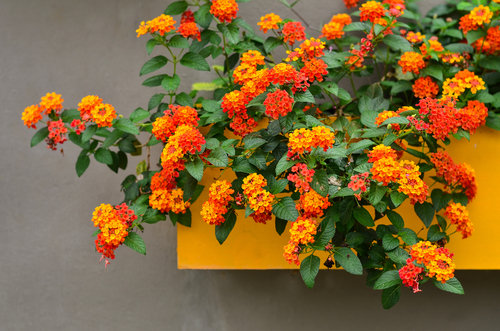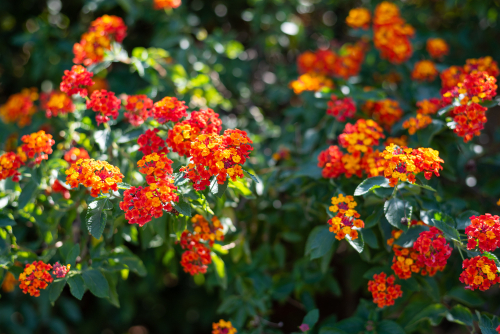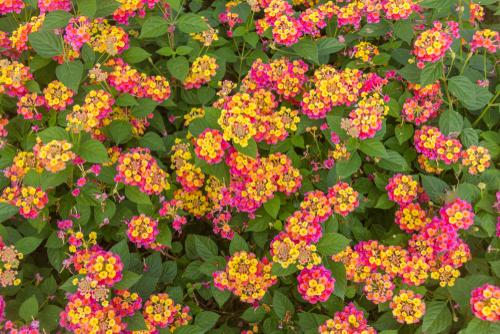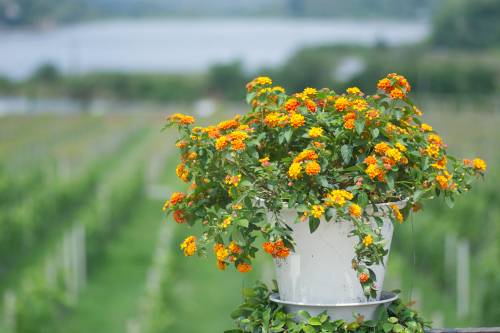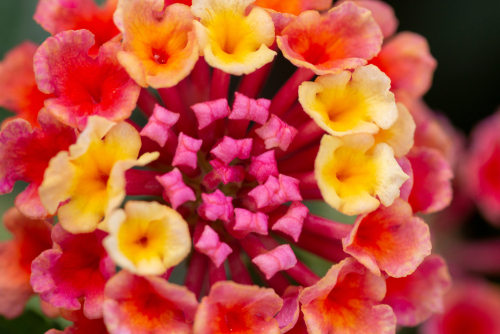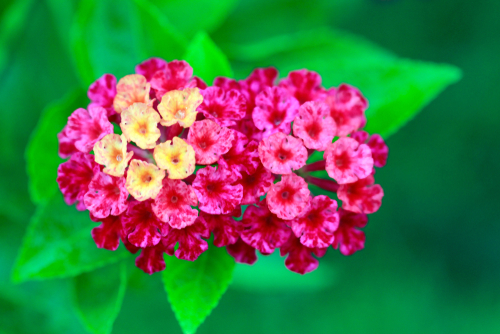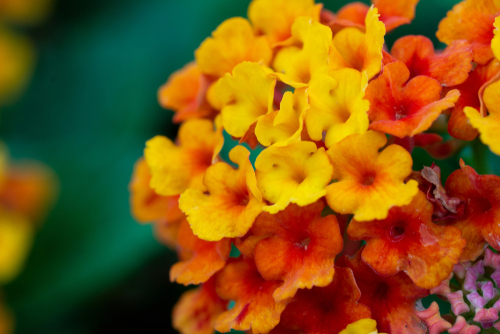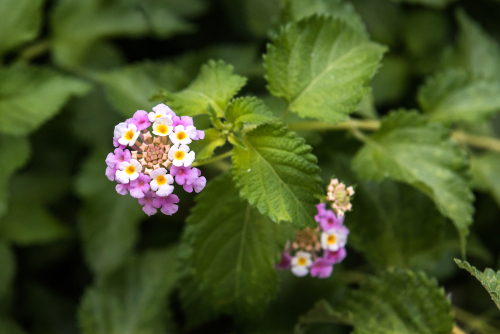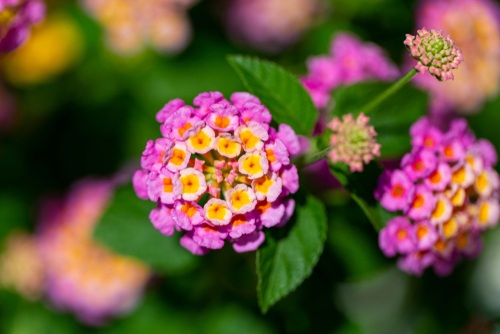
Originally hailing from Central America, the Lantana has become a total favorite in our gardens. Why? Because of that incredible “color-changing” magic its blooms perform throughout the season! But here’s the thing: producing all those vibrant, shifting colors takes a ton of energy. If you want your Lantana to really show off, keeping up with a solid feeding schedule is key.
When Spring Rolls Around
Your Lantana is hungriest in the early spring. Since these beauties love warm climates, most of us grow them in containers and bring them indoors for the winter. Once they wake up from their winter nap, they need a serious boost of minerals and trace elements to kickstart their growth. If you aren’t repotting them with fresh soil, I highly recommend enriching the old soil with some horn meal or compost to replenish those nutrients. After that, start a routine of adding liquid fertilizer to your watering can every four weeks, or use fertilizer spikes if that’s more your style.
Feeding During the Blooming Season
Good Lantana care means stepping things up once the flowers arrive. As soon as you see those first buds starting to open, you’ll want to shorten the time between feedings. Aim to fertilize every two weeks during the peak blooming months. Just follow the dosage instructions on the package, and your plant will have all the fuel it needs to keep those colors popping.
Tapering Off in Late Summer
Once the heat of late August starts to fade, it’s time to start scaling back. Gradually reduce the amount of fertilizer you use, and by October, you should stop feeding them entirely. This is super important because it allows the plant to naturally transition into its winter dormancy phase.
To keep it simple, here’s your Lantana feeding cheat sheet:
- In the spring, give the soil a boost with long-term nutrients like horn meal or compost.
- Use a liquid fertilizer every four weeks during the early spring growth.
- Once summer hits and blooms appear, increase feeding to every two weeks.
- As fall approaches, cut back on the dosage and stop fertilizing completely by October.