The bark of young and mature larches differs by much more than just the size of the tree. They actually show off completely different textures and colors depending on their age. Here’s a quick look at how this tree’s “skin” transforms over time.
How Larch Bark Changes Over the Years
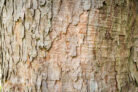
Young larches start out with smooth bark that has a distinct greenish tint. As the years go by, that bark grows and thickens significantly—eventually reaching up to four inches thick! During this process, the color shifts toward a deeper brown or grayish-brown. The texture changes too; it develops deep furrows and becomes covered in a thick, rugged outer layer.
Bark Comparison:
- Young larches: Smooth, green bark
- Old larches: Brown or gray-brown bark with thick, fissured plates
These changes aren’t just for looks; they serve specific needs at different stages of the tree’s life. The bark is perfectly adapted to protect the larch as it grows. To make sure your tree develops that healthy, protective armor, be sure to plant your larch in the right location. A happy tree is much better at fending off pathogens!
Bark Changes You Should Keep an Eye On
Bark beetles can be a real headache for larch owners. As the name suggests, these pests make themselves at home right under the tree’s bark, slowly draining the plant’s energy. If you’ve planted a larch and notice a beetle infestation, you’ll want to act fast. Otherwise, these little troublemakers can quickly spread to the rest of your yard.
Luckily, you might have a natural ally in the fight against pests. Woodpeckers love to drum on the trunk to find larvae hiding under the bark. When they find a snack, they’ll peck it right out! You can tell where a woodpecker has been working because they leave behind bright patches where the rough bark scales have been chipped away.