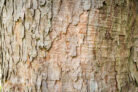
Stately chestnut trees are the crown jewels of many neighborhoods and backyards, offering shade and that classic, old-world charm. But even these mighty giants have their weak spots. If you notice the bark on your chestnut tree starting to crack or split, you’ll want to jump into action right away.
Why is the Bark Splitting?
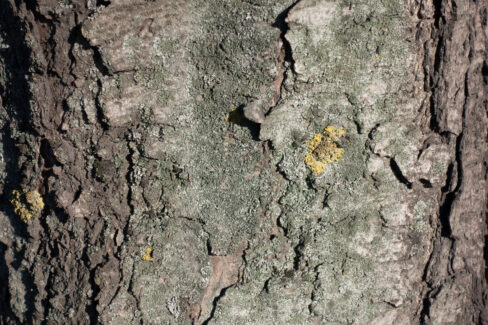
Seeing cracks in your tree’s bark is always a bit of a red flag. With chestnuts, these splits can signal some pretty serious health issues, so pinpointing the “why” is your first step. Timing is everything here. If it happens in the dead of winter, it’s often due to “frost ribs.” This happens when moisture inside the trunk freezes and expands, or when we have those wild temperature swings between a sunny day and a freezing night.
However, if it’s not the weather, you might be looking at a fungal infection. A pathogen called *Phytophthora* causes what’s known as “bleeding canker,” while *Cryphonectria parasitica* leads to the dreaded chestnut blight. This blight is especially tough on Sweet Chestnuts. To sum it up, here are the three usual suspects for bark splitting:
- Winter frost damage (frost cracks)
- Chestnut blight caused by the fungus *Cryphonectria parasitica*
- “Bleeding canker” caused by the pathogen *Phytophthora*
How to Save Your Tree
You don’t want to leave those cracks open for long, as they act like an open door for other pests to move in. If the damage happened during a cold snap and you don’t see any signs of fungus, a simple lime wash (whitewash) can work wonders. It helps seal the bark and makes it a bit more resilient against the elements.
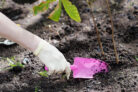
If you’re dealing with a fungus, it’s time to grab the shears. You’ll need to prune back the tree and remove any infected branches or wood. Make sure to use a wound sealer on the cuts, as fresh cuts are vulnerable spots. Most importantly: disinfect your tools thoroughly afterward so you don’t accidentally spread the disease to other plants. While chestnut blight can sometimes heal on its own, you shouldn’t leave it to chance—stopping the spread is key to keeping your tree standing tall for years to come.