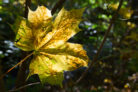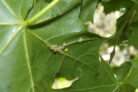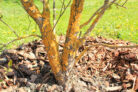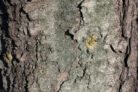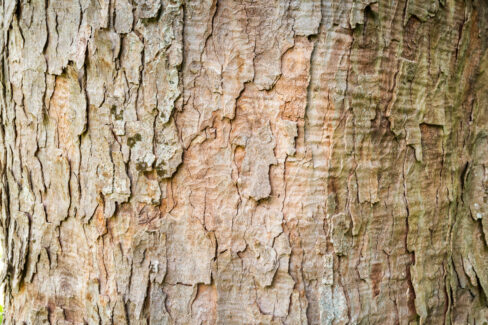
Think of a maple tree’s bark as its protective skin. When that bark starts peeling or falling off, it’s a major red flag that something is wrong. Those open wounds need to be addressed quickly to stop further damage, but first, you’ve got to play detective. You need to figure out exactly why the bark is shedding and what it means for the long-term health of your tree.
Two Common Culprits Behind Bark Loss
In the wild, maples often deal with hungry deer or rabbits nibbling on them—which is usually pretty easy to spot if you look closely. But if critters aren’t the problem, you’re likely looking at one of two things:
- Sooty Bark Disease
- Frost Cracking (Black Frost)
Both of these issues require immediate attention to keep the damage from spreading or to decide on your next move.
Sooty Bark Disease
This disease has been popping up more and more lately, and many experts think rising temperatures are to blame. Whatever the cause, you shouldn’t take it lightly—not just for the tree’s sake, but for yours, too. The fungus that causes this can actually be hazardous to humans; inhaling the spores can trigger serious allergic reactions in your lungs. Unfortunately, once a tree has this, it’s a goner. It needs to be cut down as soon as possible, ideally on a damp day to keep those spores from drifting through the air. Here are the signs of this fungal infection:
- Deformed bark and “bleeding” sap spots on the trunk
- Wilting leaves or a maple that drops its leaves prematurely
- Large patches of bark falling off
- A thick, black, soot-like coating underneath the bark
Note:
Sycamore, Norway, Field, and Silver maples are particularly vulnerable to this disease. If you aren’t sure what kind of tree is in your yard, you can find plenty of guides online to help you identify your maple species.
Frost Cracking
When you get that combination of intense winter sun and bone-dry cold, the bark can actually “pop” and peel away from the trunk. If this happens, take a sharp knife and carefully smooth out the edges of the damaged area. You can apply a wound sealer or even a thick layer of moist clay to the exposed wood. Wrap the area in black plastic film until the cambium (the layer under the bark) has a chance to heal and grow back.
Going forward, you’ll want to protect your maple every winter. You can lean a wooden board against the trunk to provide shade or wrap it in reed mats. Some gardeners also use white trunk paint, which reflects the sun and prevents the wood from overheating. If you’re putting in a new tree, make sure to pick a more sheltered planting spot.
Pro Tip:
If you actually need to remove a maple tree from your garden without using chemicals, you can use bark loss to your advantage. By removing a 2-to-4-inch strip of bark and the cambium layer all the way around the base of the trunk (a process called “girdling”), the tree will naturally die off within one to three years.